
Picking
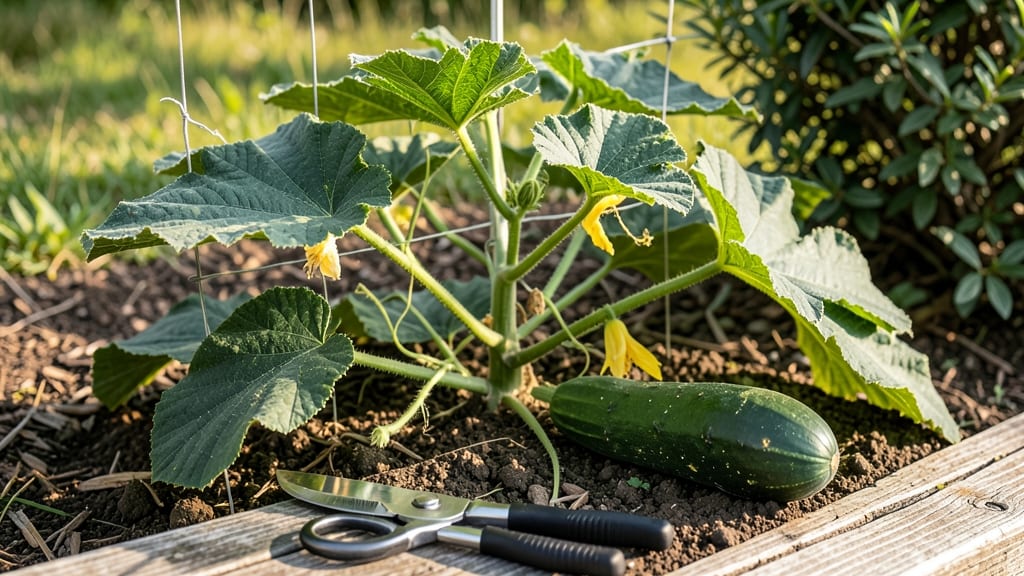
This natural compound acts like a defense mechanism for the plant, especially when it's under stress or exposed to environmental pressures. 🌱 Many gardeners notice bitter cucumbers later in the season when vines struggle with water shortages or temperature swings.
The good news? Varieties like 'Straight Eight' or 'Marketmore' produce milder flavors, while consistent watering and shade cloth can keep plants happy and sweet.
Even after harvest, storage plays a role—cucumbers left too long in warm conditions continue developing bitterness. I always recommend storing them in the fridge wrapped in a damp towel to slow down ripening.
For gardeners, the key is vigilance: check plants every few days and harvest when they're firm but still young.
💡 In This Article
- Cucurbitacin: The Chemical Behind Bitter Cucumbers
- How to Grow and Store Cucumbers to Avoid Bitterness
Cucurbitacin: the chemical behind bitter cucumbers
Cucurbitacin is a family of bitter-tasting compounds that act like nature's built-in defense system for cucumber plants. These chemicals form in response to stress signals, including extreme heat, drought, or even pest attacks.
When cucumbers experience these conditions, they produce higher levels of cucurbitacin to deter herbivores. 🌿 The most common form, cucurbitacin E, is particularly potent—it's the same compound that makes some melons taste bitter, too.
Genetics play a huge role in how much cucurbitacin a variety produces. Bitter-tolerant cucumbers (like 'Lemon' or 'Bush Champion') can handle stress better and still produce edible fruit, while sensitive varieties (such as 'Straight Eight') shut down production or develop intense bitterness under the same conditions.
The threshold for bitterness varies by person—some notice it at 10 parts per million (ppm), while others can tolerate up to 50 ppm without complaint.
Environmental factors accelerate cucurbitacin production. For example, temperatures above 90°F trigger stress responses, while inconsistent watering (either too much or too little) causes osmotic stress in the roots. Even disease pressure—like powdery mildew—can spike these compounds.
What's fascinating is that bitterness often increases as cucumbers mature, peaking when seeds turn brown or the skin develops a waxy texture.
Here's what happens chemically: When stressed, cucumber plants ramp up production of terpene synthase enzymes, which convert simple sugars into cucurbitacin molecules. These compounds accumulate in the fruit's flesh, particularly near the skin and seeds. 💡 The result?
A sharp, almost medicinal bitterness that can ruin salads or pickles. Interestingly, this same mechanism exists in other gourd family plants, like squash and pumpkins.
To visualize the process, think of cucurbitacin like a plant's immune system. Just as your body produces more white blood cells when sick, cucumbers manufacture more of these compounds when under attack.
The key difference? While your immune response is temporary, cucurbitacin lingers in the fruit until harvested—or until the plant recovers from stress.
For gardeners, understanding this chemical process explains why late-season cucumbers often taste worse. As summer heat intensifies, plants struggle to maintain optimal growing conditions, leading to a bitter harvest. The solution? Choose varieties bred for low cucurbitacin content and monitor growing conditions closely to minimize stress.