
Companion Plants
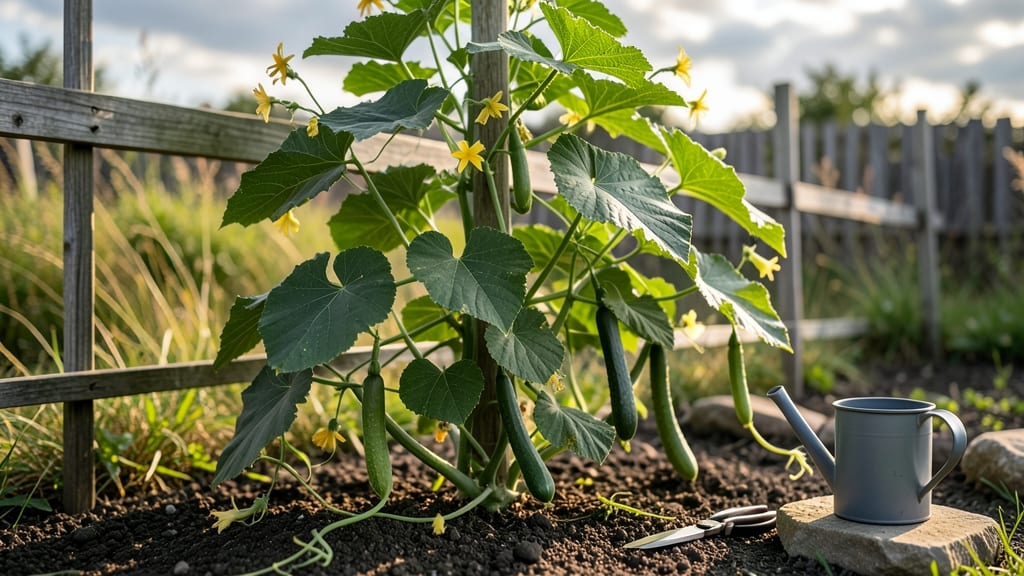
How to maintain cucumber plants requires three non-negotiable tricks—watering, support, and pest control—because skipping any of these means bitter fruit, yellowing vines, or worse. 🌱 The first step? Deep watering every 2-3 days to keep roots happy without drowning them.
Soil matters just as much as water. Amend your beds with compost before planting, and side-dress with nitrogen-rich fertilizer every 4-6 weeks. Pruning isn’t optional either—pinch off those early flowers if your plant looks stressed, and train vines onto trellises to prevent disease and improve airflow.
By mid-summer, you’ll harvest crisp cucumbers every 3-5 days if you stay consistent. The key is watching for pests like cucumber beetles—handpick them early, or use row covers to keep them away. Yellow leaves? Usually overwatering or poor drainage. Fix it fast, and your plants bounce back.
This method works for both bush and vining varieties, whether you’re growing in raised beds, containers, or the ground. Let’s keep those cucumbers coming!
📚 In This Guide
- What you need
- Instructions
- Tips and common mistakes
- Wrapping up and next steps
What you need
- ● Cucumber Seeds or Seedlings: Choose heirloom or hybrid varieties (e.g., Straight Eight, Marketmore, or Lemon Cucumber). Start with 3-5 seeds per plant or 2-3 seedlings for optimal spacing.
- ● Containers or Garden Bed: Containers: Use 5-gallon pots or larger (cucumbers need room to sprawl!). Ensure they have drainage holes.
- ● Garden Bed: Allocate 3–4 feet of space per plant in well-draining soil.
- ● High-Quality Potting Soil or Compost: Mix 60% garden soil with 40% compost or coconut coir for nutrient-rich, well-aerated soil.
- ● Organic Fertilizer: Use a balanced fertilizer (10-10-10) or compost tea to provide nutrients. Apply every 2–3 weeks during the growing season.
- ● Mulch: Straw or black plastic mulch (2–3 inches thick) to retain moisture and suppress weeds.
- ● Trellis or Cage: A 5–6 ft tall trellis or sturdy cage to support vining varieties and improve air circulation.
- ● Watering Can or Hose with Soaker Nozzle: Cucumbers need 1–2 inches of water per week. A drip irrigation system is ideal for consistency.
- ● Pruning Shears: For trimming yellow or diseased leaves and encouraging bushier growth.
- ● Companion Plants: Plant basil, marigolds, or nasturtiums nearby to deter pests and boost growth.
- ● Shade Cloth: 30–50% shade cloth for hot climates to prevent wilting.
- ● Garden Gloves: Protect your hands while handling thorny vines.
- ● Plant Support Stakes: For bush varieties that don’t need trellising.
- ● Soil pH Test Kit: Ensure soil pH is 6.0–6.8 (ideal for cucumbers). Adjust with lime or sulfur if needed.
Step-by-Step guide to maintaining healthy cucumber plants
Here’s how to keep your cucumbers thriving—no guesswork, just proven techniques.
🌱 Step 1: Ensure Proper Watering and Soil Moisture
Cucumbers demand consistent moisture—1-1.5 inches per week—but soggy soil invites rot. I water deeply at the base every 2-3 days until the top 2 inches of soil feel damp. A soaker hose or drip irrigation keeps roots hydrated without wetting leaves, which prevents fungal diseases like powdery mildew.
Check soil moisture daily during hot spells. If the surface dries quickly, increase frequency but never let the plant wilt. Mulch with 2-3 inches of straw or shredded leaves to retain moisture and keep roots cool. Here’s the thing—cucumbers are shallow-rooted, so uneven watering leads to bitter fruit and cracked skins.
☀️ Step 2: Provide Optimal Sunlight and Airflow
Cucumbers crave 6-8 hours of direct sunlight daily. I position mine where they get morning sun and afternoon shade in scorching climates. If growth slows, it’s a sign they need more light—move them closer to a south-facing window or supplement with a grow light 6-12 inches above for 14-16 hours/day.
Prune lower leaves to improve airflow, especially in humid conditions. I snip off yellowed or crowded foliage with clean shears, leaving 6-8 inches of stem between nodes. Good airflow prevents mildew and encourages stronger vines. Watch for leaves curling toward the sun—this signals they’re stretching for more light, and you’ll need to adjust their position.
🌿 Step 3: Fertilize and Monitor for Pests/Diseases
Feed cucumbers every 2-3 weeks with a balanced 10-10-10 fertilizer or compost tea. I mix 1 tablespoon per gallon of water and apply at soil level to avoid burning leaves. Over-fertilizing leads to lush foliage but fewer cucumbers—focus on root and vine health, not just leaf growth.
Inspect plants weekly for pests like cucumber beetles or aphids. I spray affected areas with neem oil or introduce ladybugs for natural control. Yellowing leaves often mean nutrient deficiency—switch to a low-nitrogen, high-phosphorus fertilizer to boost flowering and fruiting. Real talk: Cucumbers are heavy feeders, so don’t skimp on nutrients if you want a bountiful harvest.
✂️ Step 4: Train Vines and Harvest Regularly
Guide vines along a trellis or cage to save space and improve airflow. I tie main stems to the support with soft twine every 12 inches as they grow. This prevents fruit rot from touching damp soil and makes harvesting easier. Prune side shoots (suckers) that form in the leaf axils—removing them directs energy to fruit production.
Harvest cucumbers when they reach 6-8 inches long for peak flavor. Use pruning shears to cut stems cleanly, leaving ½ inch of stem attached to the fruit. Waiting too long turns them seedy and bitter. I check plants every 2-3 days—consistent picking encourages more production. Overripe cucumbers on the vine drain plant energy and attract pests.
Tips & tricks for thriving cucumber plants year-round
Here’s how to turn those gardening basics into foolproof cucumber care—because a few small tweaks make all the difference between decent plants and a garden full of crisp, flavorful cucumbers.
Soil Moisture Secret: The 1-1.5 inches per week rule is your baseline, but in Step 1, I check soil moisture by pressing my finger 2 inches deep—if it feels dry, water immediately. For containers, you’ll need to water more frequently (sometimes daily), since they dry out faster. The key is keeping that top 2 inches consistently damp without turning the soil into a swamp.
Lighting Strategy: When you’re setting up your 6-8 hours of sunlight in Step 2, pay attention to leaf color. Pale or yellowing leaves mean insufficient light, while crispy edges signal too much direct sun. In low-light situations, supplement with a grow light 6-12 inches above for 14-16 hours daily—just make sure it’s not too close, or you’ll scorch the leaves.
Fertilizer Timing: In Step 3, the 2-3 week feeding schedule is perfect, but I’ve learned the hard way that timing matters just as much as quantity. Apply fertilizer in the morning so the plant has time to absorb nutrients before evening moisture can cause leaf burn. And if you notice new leaves turning yellow, that’s your cue to switch to the low-nitrogen, high-phosphorus blend immediately—it’s a clear sign the plant needs a different nutrient balance.
Harvesting Hack: That 6-8 inch size guideline in Step 4 is your sweet spot, but here’s what nobody tells you—harvesting at this stage actually stimulates more production. The plant sees the fruit being removed and responds by putting energy into growing new ones. I set a timer to check every 2-3 days so I never miss the perfect window. And always use clean pruning shears to avoid spreading diseases between plants.
Pro Tips for Maintain Cucumber Plants
- Here’s how to turn those gardening basics into foolproof cucumber care—because a few small tweaks make all the difference between decent plants and a garden full of crisp, flavorful cucumbers.
- Soil Moisture Secret: The 1-1.5 inches per week rule is your baseline, but in Step 1, I check soil moisture by pressing my finger 2 inches deep—if it feels dry, water immediately.
- Lighting Strategy: When you’re setting up your 6-8 hours of sunlight in Step 2, pay attention to leaf color.
Frequently asked questions
Got questions about keeping your cucumber plants happy and productive? You’re not alone! Here are answers to the most common concerns—so you can grow like a pro without the guesswork.
How often should I water cucumber plants?
Cucumbers need 1–2 inches of water per week, especially during fruiting. Water at the base (not leaves) to prevent disease. Pro tip: Use drip irrigation or soaker hoses to keep soil consistently moist without overwatering. Mulch helps retain moisture too!
When is the best time to harvest cucumbers?
Harvest when cucumbers are 6–8 inches long and firm to the touch—before they turn yellow or bitter. Check daily in peak season (summer) to encourage more production. Bonus: Pick in the morning for the freshest flavor!
What are common pests for cucumber plants, and how do I fix them?
Watch for aphids, cucumber beetles, and spider mites. Blast pests off with water, use neem oil, or introduce beneficial insects like ladybugs. Preventative tip: Row covers early in the season block beetles before they lay eggs.
Can I grow cucumbers in containers, and what’s the best setup?
Yes! Use a 5-gallon container minimum with drainage holes. Choose bush varieties (like ‘Bush Champion’) and train vines with a trellis. Key: Containers dry out faster—water daily and fertilize every 2 weeks for best results.
How do I overwinter cucumber plants in colder climates?
Cucumbers are annuals and won’t survive frost. For next year, save seeds from heirloom varieties or start new plants indoors 4–6 weeks before your last frost date. Greenhouse hack: Extend the season with row covers or a cold frame!
Wrapping up and next steps
Growing thriving cucumber plants is all about patience, consistency, and a little green thumb love! 🌱 By mastering proper spacing, companion planting, and pruning techniques, you’ll enjoy a bountiful harvest all year. Remember, healthy soil and regular care are your secret weapons for success.
Now that you’re armed with these 3 key tricks, why not take the next step? Try experimenting with new companion plants or share your harvest with friends—because nothing beats the joy of fresh, homegrown cucumbers! 🥒✨