
Plants
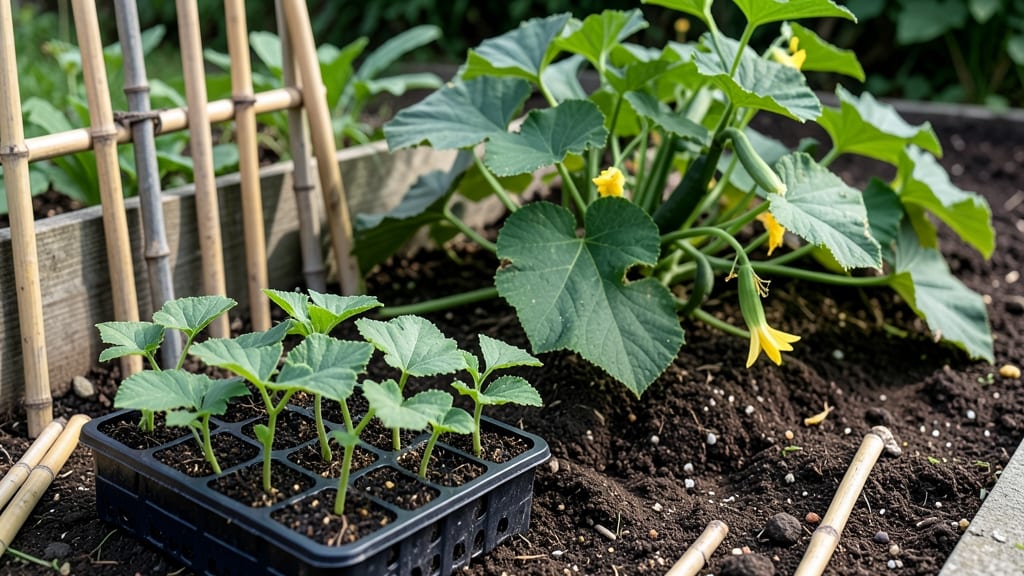
Plant cucumbers in North Florida after the last frost date—typically mid-March—but wait until soil temperatures hit 60°F or higher for germination to avoid delays.
North Florida’s humid summers and unpredictable spring weather make timing your cucumber planting a critical factor in avoiding failed harvests—or worse, attracting pests.
If you plant too early, your 🥒 vines may wilt under lingering cold snaps, while waiting too long risks summer heat stress. The key is balancing frost-free deadlines with soil warmth, especially in zones 8a-9b.
In this guide, I’ll break down the exact planting windows for spring and fall, how to test soil temperature, and the best ways to extend your harvest season in Florida’s heat.
North Florida cucumber planting deadlines: frost-free dates by county
Timing your cucumber planting in North Florida isn't just about avoiding frost—it's about beating the heat and humidity that can turn your garden into a pest magnet. The last frost dates vary dramatically across counties, with Jacksonville and Gainesville enjoying earlier springs than Tallahassee or Ocala.
Missing these windows can mean stunted vines or worse, cucumber beetle infestations before your plants even sprout.
North Florida's USDA Zones 8a-9b might suggest year-round growing, but soil temperature and frost risks still dictate your planting calendar. For spring cucumbers, aim for mid-February to early May—but only after verifying your local frost dates.
Fall plantings should start late July to early September to harvest before the first cold snap in November. Let's break down the exact deadlines by county so you can plan with confidence.
Notice how Tallahassee has the latest frost dates? That's because its higher elevation and inland location creates microclimates where cold air settles longer. Meanwhile, Jacksonville's coastal influence gives it a 2-week head start on spring planting.
Always double-check these dates using the NOAA links in the table, as La Niña or El Niño years can shift frost patterns by 10-14 days.
For spring plantings, I recommend starting seeds indoors 4-6 weeks before your county's last frost date. Use biodegradable pots to avoid transplant shock when moving seedlings outdoors.
In Gainesville and Ocala, where soils warm quickly, you can direct-sow seeds as early as mid-February if you use black plastic mulch to raise soil temperatures by 10-15°F. This trick works especially well for bush cucumber varieties like 'Bush Champion' that mature faster.
Fall plantings require even more precision. In Jacksonville, where humidity lingers into October, I've had success with shade cloth (30% coverage) to prevent powdery mildew while still allowing enough light for fruit development.
Plant slicing cucumbers like 'Straight Eight' in late July to harvest before the first frost in mid-November. In Tallahassee, where nights get cooler sooner, opt for heat-tolerant varieties like 'Southern Sweet 100' and plant in early August.
Pro tip: Use a soil
Soil temperature checklist: when cucumber seeds will actually germinate in Florida’s heat
Cucumber seeds need warm soil to germinate—70-90°F is ideal—but North Florida’s spring soil can linger in the 50s°F for weeks. Testing your soil temperature before planting prevents wasted seeds and stunted vines.
I’ll show you how to check, what to do if it’s too cold, and the best organic ways to warm it up faster.
Your cucumber seeds won’t even think about sprouting until the soil hits 60°F, but they’ll germinate fastest in the 75-85°F range. Florida’s summer heat can push soils past 90°F, which stresses seedlings, so timing matters year-round.
Let’s break down the exact steps to test your soil and adjust for Florida’s quirky climate.
🌱 North Florida Cucumber Planting Soil Temp Checklist
| Soil Temp Range | Germination Speed | Action Needed |
|---|---|---|
| Below 60°F | ❌ No germination | Wait 1-2 weeks or warm soil |
| 60-69°F | ⏳ Slow (10-14 days) | Use black plastic mulch |
| 70-89°F | ✅ Fast (3-7 days) | Plant directly |
| 90°F+ | ⚠️ Risk of stress | Provide afternoon shade |
💡 Pro Tip: Test soil temp at 10 AM in full sun for accurate readings.
Grab a soil thermometer (digital ones are most accurate) and check your garden bed’s temperature at 10 AM in full sun. Avoid testing right after rain or in shaded spots—these can skew results by 10°F or more.
For container gardens, test the soil 1-2 inches deep where roots will form.
If your soil is below 60°F, don’t panic—there are organic ways to warm it up. Spread black plastic mulch 2-3 weeks before planting to raise temps by 5-10°F. For an even faster fix, mix in well-rotted compost or aged manure, which decomposes and generates heat naturally.
For summer plantings, watch for soil temps above 90°F, which can cause seedlings to bolt or develop bitter fruit. Use shade cloth (30-50%) during peak afternoon heat to keep soil temps in the ideal 75-85°F range while still providing sunlight.
Once your soil hits 70°F, it’s time to plant! For spring cucumbers, this usually means waiting until mid-April in most of North Florida, while fall plantings can start as early as late July when soil begins cooling slightly.