
Vegetables
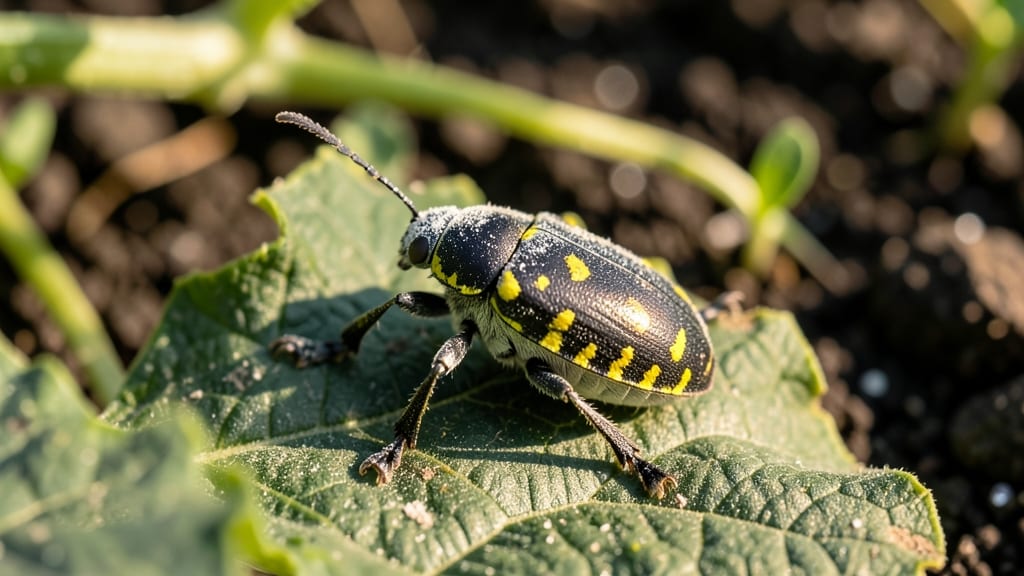
Kaolin clay cucumber beetle control saved my zucchini patch from total destruction last summer. 🌱 These striped pests chew through vines, spread bacterial wilt, and turn your garden dreams into a sad, yellowed mess—but kaolin clay creates a physical barrier they can't cross.
The magic happens when you mix kaolin clay with water and spray it on leaves, creating a thin, chalky film that confuses beetles' senses and blocks their ability to feed. Unlike chemical pesticides that kill beneficial insects, this organic solution works within 24-48 hours and won't harm pollinators.
I've used it for three seasons now, and my cucumbers, melons, and squash thrive without a single beetle in sight.
What you'll need is simple: 1 part kaolin clay to 10 parts water, a spray bottle, and a calm evening to apply it. Reapply every 5-7 days after rain or heavy watering, and combine it with row covers for the first few weeks to give your plants maximum protection.
The results? Healthy vines, full-sized fruits, and no more beetle battles.
Works for all cucurbits—cucumbers, squash, melons, and pumpkins—and plays nicely with companion plants like radishes and nasturtiums. Here's how to make it work in your garden this season.
Root Causes Of Cucumber Beetle Attacks
Cucumber beetles—those tiny, striped pests—don’t just show up out of nowhere. They’re drawn to your garden by a mix of environmental cues, plant signals, and even human habits.
Understanding why they target cucumbers, squash, and melons helps you disrupt their cycle before they cause damage. Here’s a breakdown of the science behind their behavior.
Cucumber beetles are chemosensory experts. They detect plants using a combination of visual and olfactory cues, but it’s the plant’s volatile organic compounds (VOCs) that really lure them in.
When cucurbit plants (like cucumbers, melons, and squash) are stressed—whether from drought, heat, or poor soil—they release higher concentrations of these chemical signals, acting like a neon “Eat Me” sign for beetles.
Key triggers include:
- Sucrose and amino acids: Healthy, flowering cucurbit plants produce these sugars and proteins, which beetles love as both food and a signal of a thriving host.
- Damaged plant tissue: Even a single beetle feeding creates a trail of pheromones that recruits more beetles to the same spot (a phenomenon called aggregation pheromones).
- Cucurbitacin: Some cucumber varieties produce bitter compounds that normally repel pests—but beetles have evolved to ignore or even prefer these plants once they’re established.
Pro Tip: 💡 Mulching with straw or grass clippings can mask these chemical signals by altering soil microclimates and reducing plant stress.
Cucumber beetles are opportunistic, and their activity spikes under specific weather conditions. Unlike cold-hardy pests, they thrive in:
| Factor | Why It Attracts Beetles |
|---|---|
| Warm soil (60–85°F) | Beetles emerge from overwintering in soil when temperatures rise. Warmer soil speeds up their metabolism and egg-laying. |
| Humidity (60%+) | High moisture levels help their eggs hatch faster and keeps adult beetles hydrated for longer feeding sessions. |
| Dry, windy conditions | Drought-stressed plants release more VOCs, and wind disperses beetles to new gardens. |
| Early spring plantings | Beetles overwinter as adults and immediately seek out fresh young shoots, which are tender and nutrient-rich. |
Actionable Fix: ✨ Plant cucurbits after the last frost but delay until soil temps hit 65°F+ to slow early beetle activity. Use row covers during these peak-emergence windows.
Sometimes, the way we manage gardens accidentally creates the perfect beetle buffet. Common mistakes include:
- Over-fertilizing with nitrogen: Lush, fast-growing plants are beetle magnets. While nitrogen boosts foliage, it can dilute plant defenses like kaolin clay’s protective barrier.
- Monocropping cucurbits: Planting only cucumbers or squash in one area sends a loud chemical message to beetles: “This is all you’ll ever eat!”
- Ignoring weeds: Beetles first feed on wild cucurbits (like buffalo gourd) before moving to crops. A weedy garden = a beetle training ground.
- Late pruning/deadheading: Beetles target flowers and fruit, so leaving spent blooms or damaged vines gives them more entry points.
Quick Fix: 🎯 Rotate crops yearly and remove all cucurbit debris (including weeds) by fall to starve overwintering beetles.
By targeting these root causes—plant chemistry, climate, and garden habits—you can disrupt the beetle life cycle before they even lay eggs. Kaolin clay works by masking these signals, but pairing it with these strategies creates a multi-layered defense.
Beat Back Beetle Damage Fast
Cucumber beetles—those tiny, striped pests—can wreak havoc on your garden in no time. But with the right organic solutions, you can stop them dead in their tracks. Below, we’ll tackle the most effective fixes, from immediate fixes to long-term prevention, all while keeping your garden thriving.
If you’ve already spotted cucumber beetles munching on your plants, act fast with these fast-acting remedies:
🍳 Dust with Kaolin Clay (The Game-Changer)
Kaolin clay isn’t just a preventive—it’s a powerful shield against beetles already feasting on your crops.
- How to apply: Mix 1 cup of kaolin clay with 1 gallon of water and a dash of dish soap (to help it stick).
- Spray thoroughly on leaves, stems, and flowers, focusing on new growth where beetles love to hide.
- Reapply every 7–10 days or after rain, as it washes off.
- Why it works: The clay creates a rough, unappetizing surface that beetles avoid, while still allowing light and air to reach your plants.
👨🍳 Handpick & Trap Beetles (Old-School but Effective)
- Morning patrol: Cucumber beetles are sluggish in the cool hours—check plants early and drop them in soapy water (they’ll drown instantly).
- Yellow sticky traps: Place bright yellow cards (or DIY traps with yellow paper + petroleum jelly) near your garden.
Beetles are drawn to yellow and get stuck. - Neem oil spray (optional): Mix 1 tbsp neem oil + 1 tsp soap per gallon of water and spray on leaves. This disrupts their feeding and reproduction.
🥘 Rotate Plantings & Remove Eggs
- Pull up infested plants (especially squash and melons) and compost them far from your garden—beetles lay eggs in the soil!
- Interplant with trap crops like radishes or nasturtiums to lure beetles away from your cucumbers.
Once you’ve knocked back the current infestation, lock in those gains with these proactive strategies:
💡 Plant Smart: Beetle-Repelling Companions
Cucumber beetles hate certain scents and plants.
Use these natural deterrents in your garden layout: - Marigolds (release a scent beetles avoid) - Basil (plant near cucumbers—beetles stay away!) - Dill & Fennel (their strong fragrance confuses beetles) - Alyssum (attracts beneficial wasps that prey on beetles)
✨ Soil Health = Stronger Plants
Healthy plants resist pests better. Boost your soil with:
- Compost & aged manure (rich organic matter = tougher vines)
- Mycorrhizal fungi (helps roots absorb nutrients faster)
- Balanced fertilizer (too much nitrogen = softer, beetle-loved plants)
🎯 Barrier Strategies for Next Season
- Row covers: Use floating row covers (lightweight fabric) over young plants to block beetles entirely until flowers appear (then remove to allow pollination).
- Early planting: Start seeds indoors and transplant after the last frost when beetles are less active.
- Crop rotation: Avoid planting cucumbers, squash, or melons in the same spot year after year—beetles overwinter in the soil!
If beetles are still winning, try these harsh-but-effective methods:
- Beneficial nematodes (Heterorhabditis bacteriophora) – Microscopic worms that kill beetle larvae in the soil (apply in early spring).
- Diatomaceous earth (DE) – Sprinkle food-grade DE around plant bases (it’s non-toxic but deadly to beetles when they crawl through it).
- Row covers + hand-picking combo – The only 100% organic way to guarantee no beetles reach your plants.
💡 Pro Tip: The best defense is a mix of kaolin clay + companion planting + row covers. Once you’ve broken the beetle cycle, your cucumbers will grow strong, pest-free, and delicious all season!
Frequently asked questions
How soon will kaolin clay start working against cucumber beetles?
You’ll typically see results within 24-48 hours after application. The clay creates a rough, unappetizing surface that beetles avoid immediately. For best protection, apply it in the early morning when beetles are least active. Reapply every 5-7 days or after rain to maintain the barrier.
Can I use kaolin clay on all my cucurbit plants, or just cucumbers?
Kaolin clay works on all cucurbit plants, including cucumbers, squash, melons, and pumpkins. It’s especially effective for young plants and new growth, which are beetles’ favorite targets. Just avoid spraying it directly on flowers if you want to preserve pollinators—focus on leaves and stems instead.
Will kaolin clay harm beneficial insects like bees or ladybugs?
No, kaolin clay is non-toxic to pollinators and beneficial insects. It only creates a physical barrier that beetles can’t cross. Bees and ladybugs can still move freely across treated plants. For extra safety, apply it in the late afternoon when bees are less active, or avoid spraying flowers entirely.
What’s the best way to mix kaolin clay for cucumber beetle control?
Use a simple ratio of 1 cup kaolin clay to 1 gallon of water, plus 1 teaspoon of dish soap (like Dawn) to help it stick. Stir well until fully dissolved, then strain through a fine mesh if needed. Apply with a spray bottle for even coverage. Store unused mix in a sealed container for up to 3 days.
How do I know if my cucumber beetle problem is severe enough for kaolin clay?
If you spot 3+ beetles per plant or see chewed leaves, yellowing vines, or wilting flowers, it’s time to act. Kaolin clay works best as a preventive measure, but it’s also effective for active infestations. Combine it with row covers or hand-picking for faster results in severe cases.