
Pests
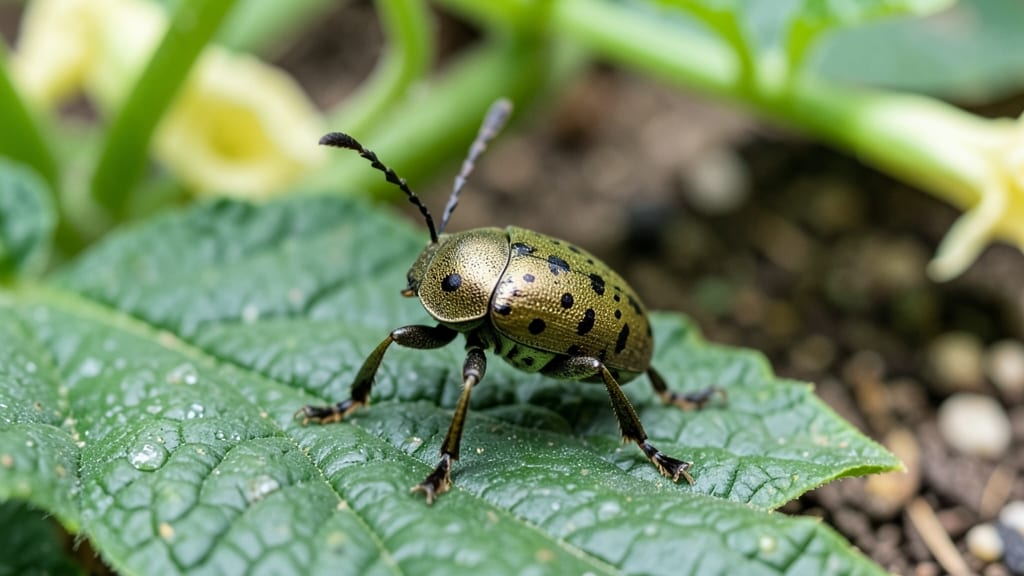
Those tiny black-and-yellow striped beetles are wreaking havoc on your cucumbers, squash, and melons. 🌱 Spotted cucumber beetles don’t just chew leaves—they spread bacterial wilt, a death sentence for your prized plants. But there’s hope: simple, organic traps that actually work without harsh chemicals.
The key is acting fast. These beetles thrive in warm weather, so early detection is everything. Look for jagged leaf edges, silvery streaks on vines, and—if you’re unlucky—suddenly wilting plants. I’ve saved multiple gardens by catching infestations before they spread, and the methods are easier than you’d think.
You’ll learn how to use yellow sticky traps, row covers, and companion plants to lure them away from your crops. Within a week, you’ll see fewer beetles and healthier plants. The best part? These solutions work for backyard gardens, community plots, and even container grows.
No more losing your harvest to these pests—just smarter, chemical-free defense. Let’s get your garden back on track before the beetles take over for good.
The Root Causes Behind Beetle Attacks
When those tiny, striped invaders—spotted cucumber beetles—start feasting on your prized cucumbers, squash, or melons, it’s rarely just bad luck. These pests don’t strike randomly; their presence is a direct response to specific conditions in your garden.
Understanding why they show up is the first step to outsmarting them. Let’s break down the key triggers and what’s really drawing them in.
Spotted cucumber beetles aren’t picky, but they do have favorites. These beetles are part of the Diabrotica genus and are specialized feeders—meaning they target plants in the Cucurbitaceae family, which includes:
- Cucumbers
- Squash (summer, winter, zucchini)
- Melons (watermelon, cantaloupe, honeydew)
- Pumpkins
- Gourds
Why?
These plants produce volatile organic compounds (VOCs) that signal to beetles: “All-you-can-eat buffet here!” Young, tender leaves and flowers are especially irresistible because they’re packed with nitrogen-rich sugars, which beetles crave for energy. Mature plants are less appealing, but if beetles find them early, they’ll lay eggs nearby, ensuring a future meal for their larvae.
Actionable insight: If you’re growing cucurbits, plant them later in the season (after the last frost but when soil is warm) to avoid peak beetle activity. Alternatively, use row covers to block adult beetles until flowering begins.
Spotted cucumber beetles are cold-sensitive. Their life cycle is tightly linked to soil temperature, and they time their emergence perfectly to coincide with:
- Soil temps above 55°F (13°C)—this triggers adult beetles to wake from overwintering in leaf litter or garden debris.
- Daytime temps in the 70s–80s°F (21–27°C)—ideal for feeding, mating, and egg-laying.
Here’s the kicker: Larvae (grubs) thrive in warm, moist soil and can cause root damage that’s just as destructive as adult feeding. If your garden soil stays consistently warm—especially in spring—you’re creating a beetle nursery.
Actionable insight:
- Use soil thermometers to monitor temps; delay planting cucurbits until soil hits 60°F (16°C).
- Apply mulch (straw or grass clippings) to regulate soil temp and deter egg-laying.
- Avoid overwatering—soggy soil attracts beetles and promotes fungal diseases.
Spotted cucumber beetles don’t just target your crops—they love weedy, unkempt areas. Why? Because weeds like:
- Pigweed
- Lambsquarters
- Dandelions
- Mustards
act as alternative hosts and hiding spots. These plants provide:
- Shelter from predators (birds, ladybugs, lacewings).
- Food sources before beetles move to cucurbits.
- Moisture retention—beetles seek out damp, shaded areas to lay eggs.
A garden with dense weed growth is like a five-star beetle hotel. Even if you’re not growing cucumbers, nearby weeds can spill infestations into your vegetable patches.
Actionable insight:
- Conduct weekly weed patrols, especially in borders near cucurbit rows.
- Use mulch or landscape fabric to suppress weeds between plantings.
- Plant beetle-repelling companions like radishes, nasturtiums, or marigolds to distract them.
Spotted cucumber beetles are persistent survivors. If your garden had an outbreak last year, chances are high you’ll see them again—and worse. Here’s how:
- Overwintering adults hide in garden debris, leaf litter, or grass clumps, emerging when conditions are right.
- Larvae pupate in the soil and re-emerge as adults the following spring, ready to repeat the cycle.
- No natural predators (like parasitic wasps) may be present if the ecosystem was disrupted by pesticides.
This creates a feedback loop: the more you ignore the problem, the more entrenched it becomes. Even rotated crops can fall victim if beetles linger in the soil.
Actionable insight:
- Practice crop rotation—avoid planting cucurbits in the same spot for 3+ years.
- Remove all plant debris after harvest (till or compost it away from the garden).
- Introduce beneficial insects like tachinid flies or ground beetles to target larvae.
By addressing these core triggers, you’re not just reacting to beetle attacks—you’re disrupting their strategy. The key is to remove their incentives: make your garden less appealing, harder to access, and less hospitable for their life cycle.
Next, we’ll explore how to turn the tables with natural traps and barriers.
Beat Back Garden Invaders Naturally
Fighting off striped or spotted beetles in your garden doesn’t have to mean harsh chemicals. With the right strategies, you can protect your plants—especially cucumbers, squash, and melons—while keeping your soil and ecosystem healthy.
Below, we break down solutions by cause, from early prevention to active defense, so you can reclaim your garden with confidence.
The best offense is a good defense. Stop these pests before they lay eggs or munch on your crops.
🔥 Rotate Your Crops Like a Pro
Spotted cucumber beetles love the same plants year after year. To break their cycle:
- Swap plant families every season—don’t grow cucurbits (cucumbers, squash, melons) in the same spot annually.
- Use a 3-year rotation with unrelated plants like beans, tomatoes, or brassicas (kale, cabbage) to disrupt beetle habits.
💡 Pro Tip: Keep detailed garden notes to track where you planted what—and when beetles showed up!
🌡️ Time Your Planting for Beetle Off-Season
Beetles emerge in late spring to early summer. Delay planting vulnerable crops until mid-June or later to miss their peak activity.
- Start seeds indoors and transplant after the beetle rush (check local frost dates).
- Use row covers (lightweight fabric) for the first 3–4 weeks to shield young plants.
If you spot adults or larvae, act quickly to minimize damage.
🍳 Handpick and Drown Them Daily
Morning is the best time—beetles are sluggish and easy to spot.
- Wear gloves and drop beetles into a bucket of soapy water (1 tbsp dish soap per gallon).
- Check under leaves and near stems where they hide.
- 🔥 Bonus: Use a damp towel to wipe down plants—beetles can’t crawl on slick surfaces.
👨🍳 Set Up Beer Traps (Yes, Really!)
Beetles are attracted to fermenting yeast—and beer traps work like a charm.
- Fill a shallow dish (like a pie tin) with beer or apple cider vinegar.
- Bury it 1 inch deep in the soil near plants.
- Check traps every 2–3 days and refresh the liquid.
✨ Why It Works: The scent lures them in, and they drown. Place 3–4 traps per 100 sq ft for best results.
🔪 Use Natural Sprays (No Harsh Chemicals)
Mix these non-toxic sprays and reapply every 3–5 days or after rain:
| Solution | How to Make It | How to Apply |
|---|---|---|
| Neem Oil Spray | 1 tbsp neem oil + 1 tsp mild soap + 1 quart water. Shake well. | Spray early morning on leaves (avoid flowers to protect pollinators). |
| Garlic Pepper Spray | Blend 2 cloves garlic + 1 tsp cayenne pepper + 1 quart water. Strain and add 1 tsp soap. | Spray directly on beetles—it repels and stuns them. |
| Diatomaceous Earth (DE) | Food-grade DE powder (find at garden centers). | Dust lightly on soil and leaf surfaces. Reapply after rain. |
⚠️ Warning: Avoid DE on windy days—it can harm beneficial insects like bees.
Make your garden a beetle-free zone with these permanent fixes:
🎯 Plant Beetle-Repelling Companions
Interplant these natural deterrents near cucurbits:
- Marigolds – Mask plant scents beetles love.
- Nasturtiums – Trap beetles away from your crops.
- Radishes – Act as a "decoy crop" (beetles prefer them over cucumbers!).
- Basil – Confuses beetles with its strong aroma.
🌱 Mulch with Straw or Grass Clippings
Beetles lay eggs in bare soil. Smother them with:
- Straw mulch (2–3 inches thick) – Blocks sunlight and eggs.
- Grass clippings – Adds nitrogen and suffocates larvae.
💡 Pro Tip: Refresh mulch weekly during peak beetle season (May–July).
🐝 Encourage Beneficial Predators
Ladybugs, lacewings, and parasitic wasps devour cucumber beetle eggs and larvae. Attract them with:
- Dill, fennel, or cilantro – Hosts for beneficial insects.
- A shallow water source (like a saucer with pebbles and water).
- Avoid pesticides—even "organic" ones can harm these helpers.
With these practical, chemical-free strategies, you’ll keep your garden thriving—and those pesky beetles at bay. Start with prevention, then act fast if they show up, and soon your cucumbers, squash, and melons will be beetle-free! 🚀
Frequently asked questions
What plants are most at risk from spotted cucumber beetles?
These beetles target the Cucurbitaceae family, including cucumbers, squash (summer/winter/zucchini), melons (watermelon, cantaloupe), pumpkins, and gourds. Young plants with tender leaves are especially vulnerable, as the beetles feed on foliage and spread bacterial wilt.
How do I know if my plants have bacterial wilt from these beetles?
Look for sudden wilting (even in well-watered plants), yellowing leaves, and vascular browning when you cut open stems. The wilting happens within 24-48 hours of beetle feeding—far faster than normal dehydration. Unfortunately, there's no cure once infected, so prevention is key.
Are beer traps really effective against spotted cucumber beetles?
Yes! Beer traps work because beetles are attracted to fermenting yeast. Bury a shallow dish filled with beer or apple cider vinegar 1 inch deep near your plants. Check traps every 2-3 days and refresh the liquid. For best results, place 3-4 traps per 100 sq ft during peak beetle season (May-July).
Can I use neem oil on my cucurbit plants?
Yes, but apply it carefully. Mix 1 tbsp neem oil + 1 tsp mild soap + 1 quart water and spray early morning on leaves, avoiding flowers to protect pollinators. Reapply every 3-5 days or after rain. Neem oil disrupts beetle feeding and egg-laying but won't kill existing bacterial wilt.
What's the best time of day to handpick these beetles?
Early morning is ideal—beetles are sluggish and easier to spot after cool nights. Wear gloves and drop them into soapy water (1 tbsp dish soap per gallon). Check under leaves and near stems where they hide. For extra protection, use a damp towel to wipe down plants—they can't crawl on slick surfaces.