
Plants
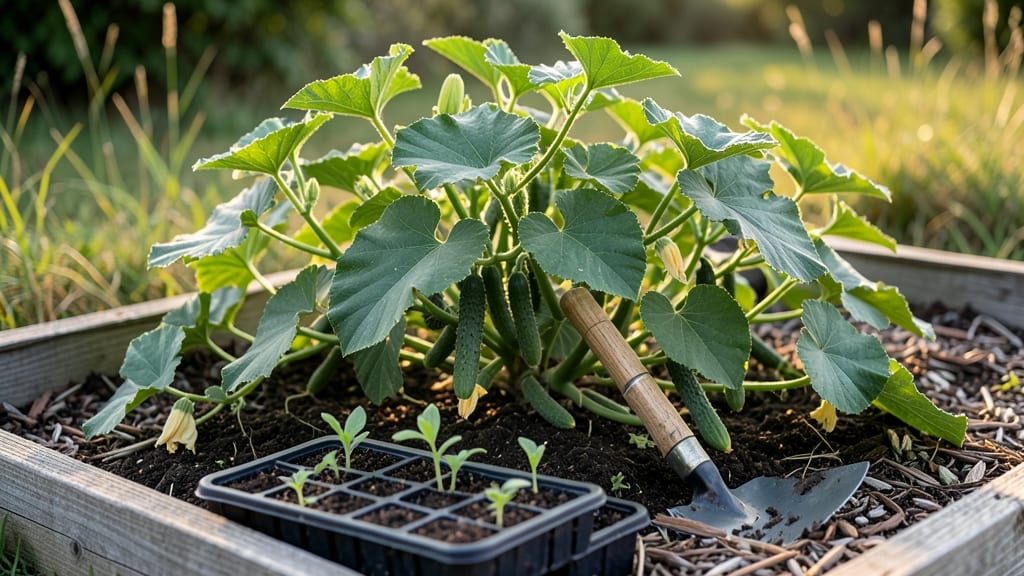
Planting cucumbers in Alabama at the right time means the difference between a bountiful harvest and struggling with bitter fruit or poor yields.
Alabama’s warm climate and long growing season make it a prime spot for cucumber cultivation—but planting at the wrong time can lead to wasted effort. Timing is everything, and missing the frost-free window by even a few weeks could mean wasted effort.
For most of the state, the ideal window runs from mid-March to early May, once soil temperatures hit 60°F and all frost risk has passed.
But regional differences matter—North Alabama’s cooler 7b zones may need to wait until late April, while South Alabama’s 8b heat can start as early as February.
Below, I’ll break down the exact frost-free dates by region, how to prep your soil for faster warming, and the best cucumber varieties for Alabama’s summer heat. Plus, I’ll share my top tips for avoiding common mistakes that derail even the most eager gardeners.
Alabama’s cucumber planting calendar: exact frost-free dates by region
Alabama’s diverse climate—spanning USDA Hardiness Zones 7b to 8b—means cucumber planting windows vary dramatically from North Alabama’s cooler valleys to South Alabama’s subtropical coast. Getting the timing right ensures sweet, crisp cucumbers instead of bitter, stunted plants.
The key is understanding your last frost date and soil temperature thresholds (60°F minimum for germination).
For North Alabama (Zones 7b), like Huntsville or Decatur, the average last frost date falls between late February and early April.
This means your primary planting window opens in mid-March for direct-sown seeds, but greenhouse-started seedlings can go in as early as March 1st if you’re using row covers or black plastic mulch to warm the soil.
In Central Alabama (Zones 8a), cities like Birmingham and Montgomery see last frosts around mid-March to early April, pushing your planting window to late March for transplants or mid-April for seeds.
In South Alabama (Zones 8b), where Mobile and Daphne enjoy milder winters, you can start planting as early as February 15th for greenhouse seedlings or March 1st for direct sowing.
The longer frost-free season (240+ days) here even allows for a second planting in late July for a fall harvest before the first frost hits in mid-November. This regional flexibility is why Alabama gardeners can enjoy two cucumber harvests per year if they plan carefully.
🌱
If you’re starting cucumbers indoors for an earlier jumpstart—especially in North Alabama’s cooler microclimates—begin seeds 4-6 weeks before your last frost date. For example, Huntsville gardeners should sow seeds indoors by February 15th to have hardened-off seedlings ready by mid-March.
Use grow lights or a sunny windowsill (south-facing) to prevent leggy seedlings, and transplant outdoors only after nighttime temperatures stay above 50°F consistently.
For fall harvests, focus on late July to early August plantings across all regions. This timing ensures cucumbers mature before the first frost—typically mid-October in North Alabama and late November in South Alabama.
Choose heat-tolerant varieties like 'Straight Eight' or 'Southern Sweet' for these late-season plantings, as they handle Alabama’s summer humidity and heat spikes better than cooler-season types.
One common mistake is planting cucumbers too early when soil temperatures are still below 60°F. Seeds won’t germinate, and seedlings may rot.
To test soil warmth, place a soil thermometer 2 inches deep—if it reads below 60°F, wait another week or use black plastic mulch to accelerate warming. Another pro tip: Warm the soil faster by covering beds with clear plastic for 3-5 days before planting.
Alabama’s humidity and heat also mean cucumbers thrive with trellising or vertical support. Planting near fences or trellises improves airflow, reducing the risk of powdery mildew, a common issue in Alabama’s Zone 8 climates.
For bush varieties like 'Bush Champion,' you can skip trellises, but vining types will produce more efficiently and stay healthier when given vertical space.
🌿
How to choose the perfect time for cucumber varieties in Alabama’s heat
Alabama’s humid summers and long frost-free season create ideal conditions for growing cucumbers—but not all varieties thrive equally. Heat-tolerant varieties like 'Straight Eight' and 'Arkansas Little Leaf' handle Alabama’s 90°F+ days better than cool-season types, which bolt quickly.
Choosing the right variety and planting time ensures sweet, crisp fruit instead of bitter, seedy cucumbers.
Timing matters just as much as variety selection. Spring planting (after last frost, mid-March to early May) works for cool-tolerant types, while summer varieties like 'Lemon Cucumber' need soil temperatures above 60°F to germinate.
For a fall harvest, start seeds in late July to early August to beat early frost. Succession planting every 2-3 weeks extends your harvest window.
| Variety | Best Planting Time | Heat Tolerance | Harvest Window | Special Notes |
|---|---|---|---|---|
| Straight Eight | Late April - June | Excellent | July - September | Classic Southern variety; thrives in humidity |
| Lemon Cucumber | May - July | Very High | June - October | Sweet, oblong fruit; loves heat |
| Arkansas Little Leaf | April - August | High | May - November | Disease-resistant; great for containers |
| Sweet Success | March - May (spring) or July - August (fall) | Moderate | June - September (spring) or September - October (fall) | Sweet flavor; needs consistent water |
For extended harvests, use succession planting every 2-3 weeks from spring through summer. Start seeds indoors 4-6 weeks before your target planting date to give them a head start. Black plastic mulch warms soil faster, helping heat-loving varieties like 'Lemon Cucumber' germinate quickly in Alabama’s slow-warming spring.
If you’re in North Alabama (cooler microclimates), stick to early-maturing varieties like 'Sweet Success' to avoid early summer heat stress. In South Alabama, where summers are hotter and longer, prioritize 'Straight Eight' or 'Arkansas Little Leaf' for continuous production through September.
Always monitor soil moisture—Alabama’s heat increases evaporation rates, so mulch heavily to retain moisture.
Remember: Bitter cucumbers often result from stress, whether from too much heat, drought, or poor soil. By matching your variety to your planting window and microclimate, you’ll enjoy crisp, sweet cucumbers all season long. 🥒