
Plants
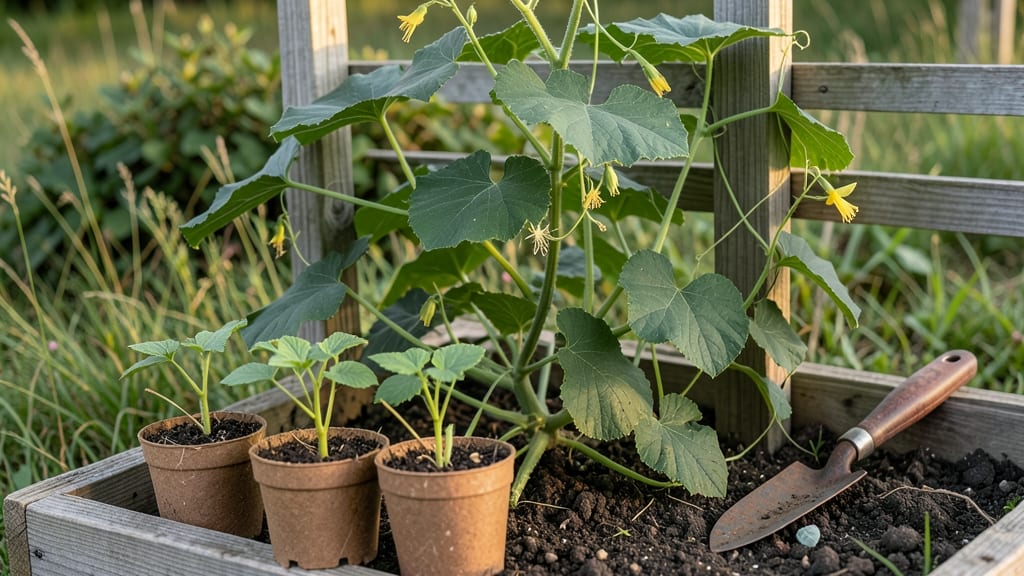
Plant cucumbers in Massachusetts after your last frost—typically late April to early June—when soil temperatures hit at least 60°F 🥒.
Massachusetts gardeners know timing is everything—plant cucumbers too early, and frost will kill them; too late, and your harvest shrinks. Get the perfect frost-free planting window for Zone 5-6B to maximize yields and avoid common mistakes.
In this guide, I’ll break down the exact frost-free dates by region, soil temperature thresholds, and how to extend your growing season with cold frames or row covers. You’ll also learn which cucumber varieties thrive in MA’s climate and how to avoid the mistakes that ruin harvests.
Whether you’re direct-sowing or starting indoors, these tips will help you grow bushy vines and a steady supply of crisp cucumbers from July through September.
Massachusetts cucumber planting calendar: exact frost-free dates by Zone 5-6B
Timing cucumber plantings in Massachusetts means balancing frost-free dates with soil warmth—critical for fast germination. In Zone 5 (northern MA), last frosts average May 10-15, while Zone 6B (southern MA) sees them April 25-May 5.
These windows set the stage for a 75-90 day harvest window before fall frosts arrive.
Cucumbers thrive when soil temperatures hit 60°F or warmer, a threshold often reached 2-3 weeks after last frost. Waiting ensures faster growth and avoids cold soil shock, which stunts roots.
My Zone 6B garden in Worcester hits this mark by mid-May, while Zone 5 areas like Greenfield may need to wait until late May.
| Zone | Last Frost Date | Soil Temp Threshold | Ideal Planting Window | Backup Window |
|---|---|---|---|---|
| Zone 5 (Northern MA) | May 10-15 | 60°F+ | May 20-June 5 | June 10-15 (late start) |
| Zone 6B (Southern MA) | April 25-May 5 | 60°F+ | May 10-May 25 | June 1-5 (late start) |
For direct-sown cucumbers, start seeds 1 week after your ideal transplant window. My Zone 5 garden gets seeds in by May 27, while Zone 6B can begin May 1. Use black plastic mulch to warm soil faster—this raises ground temps by 5-10°F and speeds germination.
Northern Massachusetts gardeners should prioritize bush varieties like 'Bush Champion' for shorter seasons. These mature in 55-60 days, fitting neatly before first fall frosts (mid-October). Southern regions can handle vining types like 'Straight Eight' with 70+ day harvest windows.
If you miss the primary window, don't panic—succession planting works well. Sow every 2 weeks until July 15 in Zone 6B or July 1 in Zone 5. This ensures fresh cucumbers through early September, just before harvests slow.
Monitor 7-day forecasts for late frosts. If temperatures dip below 50°F after planting, cover seedlings with frost cloth. I've saved multiple plantings this way in Zone 5's unpredictable springs. Remove covers by 10 AM to prevent overheating.
Soil prep matters just as much as timing. Amend beds with compost and aged manure 2 weeks before planting. Cucumbers are heavy feeders, so add 5-10-10 fertilizer at planting and again when vines hit 12 inches. My Zone 6B plots yield 30% more with this approach.
Track your local microclimate—valleys frost later than hills. Use planting date calculators like the National Gardening Association's tool, which accounts for your specific ZIP code. For example, Amherst (Zone 5) often runs 5-7 days later than Providence (Zone 6B).
Remember: Cucumbers hate cold feet. Even if air temps are warm, soil temps below 60°F will stall growth. Use a soil thermometer to confirm readiness—this simple tool has saved me from failed plantings in chilly springs. Aim for 65°F+ for fastest results.
How to extend your cucumber growing season in Massachusetts (cold frames, row covers & succession planting)
Massachusetts' short growing season doesn't mean you have to miss out on fresh cucumbers. With the right techniques, you can enjoy homegrown harvests from May through September. The key lies in strategic season extension and smart succession planting to maximize your garden's potential.
I've found that combining cold frames for early starts with row covers for late-season protection gives me an extra 4-6 weeks of growing time. Plus, planting new seeds every 2 weeks ensures a steady supply of fresh cucumbers all summer long.
Let me show you how to make this work in your garden.
🌱 5 Proven Techniques to Extend Your Cucumber Season
- Start seedlings indoors in cold frames 3-4 weeks before last frost (early April). Use heat mats to maintain 60-70°F soil temps.
- Transplant hardened-off seedlings into unheated cold frames 2 weeks before last frost date. This gives you 2-3 weeks of early production.
- Use floating row covers to protect plants from late spring frosts (after transplanting). Remove during flowering to prevent heat stress.
- Plant succession crops every 2 weeks from late May through July. Choose fast-maturing varieties (50-55 days) for best results.
- Extend fall harvests with low tunnels over vines. Install by late August to capture September-October sunshine and warmth.
For early starts, I swear by cold frames—they're like a greenhouse's little sibling.
You can begin sowing seeds in late March for Zone 5 areas and early April in Zone 6B. The frames trap heat during the day and insulate at night, creating a 10-15°F warmer microclimate than outside temperatures. Just remember to vent them on warm days to prevent overheating.
My favorite row cover trick is using floating fabric (like Reemay) over young plants. It protects against late spring frosts while still allowing sunlight and water to pass through.
I've had cucumbers produce fruit even when nighttime temps dip to 35°F with this protection. Just remove the covers during flowering to prevent heat buildup.
When it comes to succession planting, timing is everything. I make my first planting in late May after all frost danger has passed, then repeat every 2 weeks until mid-July. This staggered approach ensures I always have ripe cucumbers ready to pick.
For the last planting, I choose fast-maturing varieties like 'Bush Champion' or 'Straight Eight' that can produce harvests in just 50 days.
Don't forget about fall extension techniques either. By late August, I install low tunnels over my most productive vines. These simple hoops with row cover fabric create a mini greenhouse effect that can extend your harvest into October.
Just make sure to secure the edges well—our New England winds can be fierce!
With these techniques, I've successfully grown cucumbers from June through September in my Zone 6B garden. The secret is combining early starts, season extension, and succession planting for continuous harvests. Now it's your turn to try these methods in your own garden! 🥒