
Planting
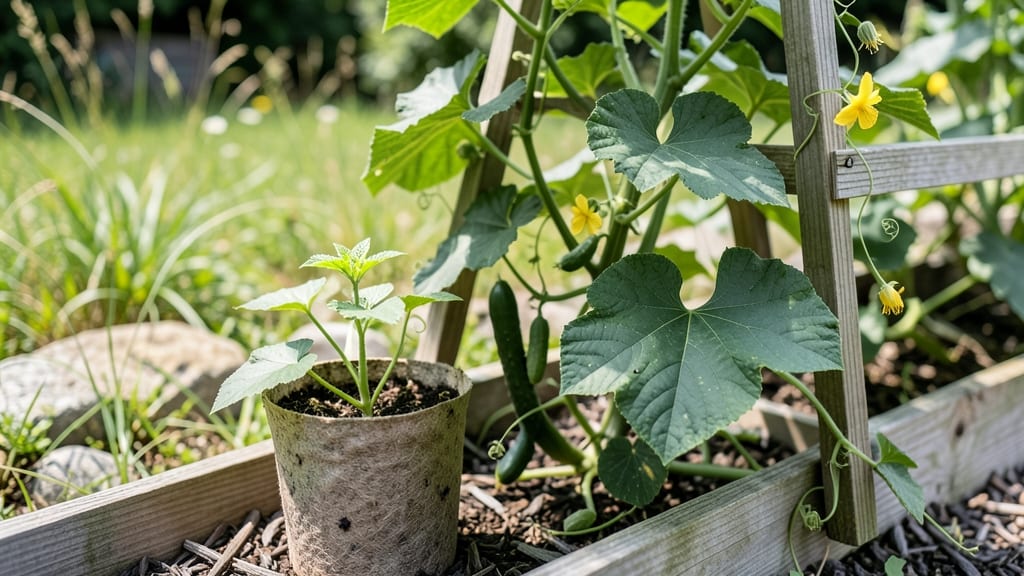
Plant cucumbers outside only after the last frost date when soil temperatures hit 60°F or warmer 🥒 — that’s the golden rule for a thriving harvest.
Timing is everything when growing cucumbers—plant too early and frost will kill your tender vines, but too late and you’ll miss the sweet, summer harvest. Use this guide to pinpoint the perfect outdoor planting window for your climate zone.
In USDA Zone 6a, like much of the Midwest, that window typically opens around mid-April to early June, but your exact date depends on local frost patterns and soil warmth. A quick soil thermometer check can save you from waiting too long.
Below, I break down zone-specific planting dates, how to adjust for early or late harvests, and the 5 key signs your cucumbers are truly ready to go outside—no guesswork needed.
Cucumber planting dates by USDA hardiness zone: exact frost-free timing
Cucumbers are warm-season crops that thrive when soil temperatures consistently stay above 60°F (15°C). Planting too early exposes them to frost damage, while waiting too long shortens your harvest window. Your USDA Hardiness Zone and local frost dates determine the perfect timing for outdoor planting.
Most cucumber varieties need 120-140 frost-free days to mature, so timing is critical. Below, I’ve broken down ideal planting windows for USDA Zones 3-10, including soil temperature requirements and average last frost dates to help you plan with precision.
Pro Tip: Use a frost-free date calculator (like the Old Farmer’s Almanac or your local cooperative extension service) to refine these dates for your exact location. Even within a zone, microclimates can shift planting windows by 2-3 weeks.
| USDA Zone | Avg. Last Frost | Soil Temp. Requirement | Ideal Planting Window | Harvest Window |
|---|---|---|---|---|
| Zones 3-4 (Cold Climates) | Mid-May to early June | 60°F+ (15°C+) | Late May to early June (after soil warms) | July to early September |
| Zones 5-6 (Temperate) | Mid-April to early May | 60°F+ (15°C+) | Early May to mid-May | June to September |
| Zones 7-8 (Warm) | Mid-March to early April | 60°F+ (15°C+) | Late April to early May | May to October |
| Zones 9-10 (Hot) | Mid-February to early March | 60°F+ (15°C+) | Early March to mid-April | April to November |
For Zones 3-4, where frost lingers longer, consider using black plastic mulch or row covers to warm the soil faster. In Zones 9-10, you can even plant heat-tolerant varieties like 'Straight Eight' or 'Lemon Cucumber' as early as February for a spring harvest.
If you’re unsure about your last frost date, check your local National Weather Service records or ask at your county extension office. They often provide hyper-local data that’s more accurate than zone averages.
For example, a Zone 6 garden in Denver might have a later last frost than one in Chicago.
For container growing, warm soil heats up faster, so you can plant 2-3 weeks earlier than in-ground plants. Just ensure your pots have drainage holes and use a heat mat if needed to maintain soil warmth. Containers also dry
How to adjust planting dates for early or late harvests
Adjusting your cucumber planting dates can mean the difference between a bountiful harvest and wasted effort. Early planting risks frost damage to tender seedlings, while late planting shortens your harvest window. The key is balancing risk with reward—whether you're chasing an earlier harvest or extending the season into fall.
For gardeners in cooler climates, cold frames or row covers can push planting dates back by 2-4 weeks. These protective barriers trap heat and shield plants from light frosts, letting you start cucumbers as early as 2-3 weeks before your last frost date.
However, they require consistent monitoring to avoid overheating or moisture buildup.
Succession planting is another game-changer for late-season harvests. By sowing new seeds every 2-3 weeks after your initial planting, you create a staggered harvest that lasts 4-6 weeks longer. This works especially well for bush varieties, which mature faster than vining types.
🌱
Early Planting Strategies
Pros
- Longer harvest window
- Early market advantage
- Better yield in ideal conditions
Cons
- Risk of frost damage (even light frost kills seedlings)
- Slower growth in cool soil
- Higher maintenance with protective covers
Late Planting Strategies
Pros
- Avoids frost entirely
- Less pest pressure early in season
- Warmer soil speeds germination
Cons
- Shorter harvest season
- Less time for vines to establish
- May miss peak market prices
Choosing heat-tolerant varieties like 'Straight Eight' or 'Marketmore' can also help you push boundaries. These varieties thrive in 90°F+ temperatures and produce well into late summer, making them ideal for late-season planting. Pair them with drip irrigation to maintain consistent moisture during heatwaves.
If you're experimenting with early planting, start seeds indoors 3-4 weeks before your last frost date and use biodegradable pots to transplant seedlings without disturbing roots. For late planting, opt for fast-maturing varieties (like 'Bush Champion') that produce harvestable cucumbers in just 45-50 days.
Remember, every garden is unique—track your results each year and adjust your strategy based on what works best for your microclimate. With the right adjustments, you can enjoy fresh cucumbers from early summer to fall! 🥒