
Plants
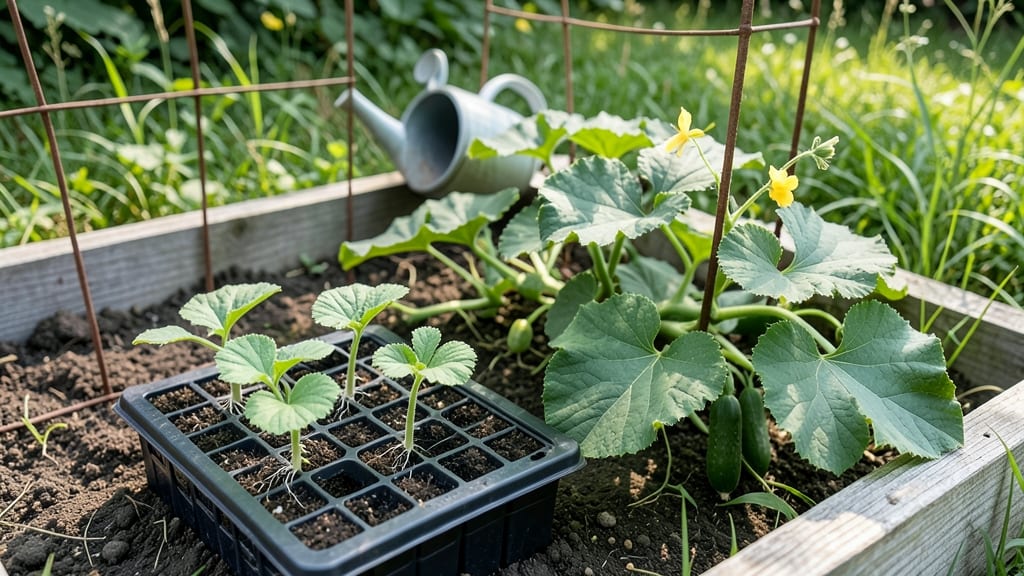
Plant cucumbers in Kentucky after the last frost date in your area — typically mid-April for most of the state, but always wait until soil temperatures hit 60°F or higher.
Getting this wrong can mean wasted seeds or a harvest that never comes. In Kentucky’s Zone 6a-7a, timing isn’t just about avoiding frost—it’s about catching the sweet spot between too early (when soil stays cold) and too late (when summer heat arrives before the vines mature).
Whether you’re planting in Louisville, Lexington, or Bowling Green, the key is knowing your local frost dates and adjusting for microclimates. I’ll break down the exact windows for spring and fall planting, plus how to stretch your growing season with simple tricks.
By the end, you’ll know not just when to plant, but how to set your cucumbers up for a bountiful harvest—no guesswork involved.
Kentucky cucumber planting timeline: exact dates by zone 5B-6A
Kentucky’s Zone 5B-6A climate demands precise timing for cucumber planting—too early risks frost damage, while late planting cuts harvests short. The last average frost date in Louisville, Lexington, and Bowling Green typically falls between April 15-25, but soil temperature is the real deciding factor.
Cucumbers thrive only when soil reaches at least 60°F, which usually happens 2-3 weeks after the last frost. This guide breaks down exact planting windows for your region, including backup dates for unpredictable springs.
For direct sowing (planting seeds directly in the garden), aim for May 1-15 across most of Kentucky. This timing ensures soil warmth and avoids transplant shock. If you prefer transplanting seedlings, start them indoors 4-6 weeks before your target outdoor date.
Harden off seedlings for 7-10 days before transplanting, which should occur after May 10 in Zone 5B and after May 1 in Zone 6A.
Here’s a quick reference for your specific area:
| Region | Last Frost Date | Ideal Planting Window | Soil Temp Threshold | Backup Date (Late Spring) |
|---|---|---|---|---|
| Louisville (Zone 6A) | April 20-May 1 | May 10-25 (direct sow) / May 1-15 (transplant) | 60°F+ | June 1 (if soil warms late) |
| Lexington (Zone 6A) | April 15-25 | May 5-20 (direct sow) / April 25-May 10 (transplant) | 60°F+ | May 25 (with row cover) |
| Bowling Green (Zone 7A) | March 25-April 10 | April 15-May 5 (direct sow) / April 1-15 (transplant) | 60°F+ | April 30 (earlier with protection) |
Adjust dates 1-2 weeks earlier for south-facing microclimates or later for shaded areas.
If your spring runs late, don’t panic—Kentucky’s climate also allows for a fall planting window. For late-summer cucumbers, sow seeds July 15-30 in Zone 5B or July 1-15 in Zone 6A. These cucumbers will mature before the first frost in October, giving you a second harvest.
Choose heat-tolerant varieties like ‘Straight Eight’ or ‘Marketmore’ for better success in late plantings.
Always test your soil temperature with a thermometer before planting. Cucumbers won’t germinate below 60°F, and cool soil can stunt growth. If temperatures fluctuate, use black plastic mulch to warm the soil faster. This trick adds 5-10°F to soil temperature, helping you plant earlier if needed.
For container growing, follow the same timeline but plant 1-2 weeks later since pots warm up more slowly. Place containers in full sun and use self-watering pots to maintain consistent moisture—a critical factor for cucumbers in Kentucky’s humid summers.
Pro tip: Mark your planting dates on a garden calendar and set reminders for succession planting every 2 weeks after your initial sowing. This ensures a steady supply of fresh cucumbers throughout the summer.
In Zone 5B, your last succession planting should occur by June 15 to avoid overcrowding as vines mature.
Watch for false springs—a warm spell followed by frost can devastate young plants. If nighttime temperatures dip below 50°F after planting, cover seedlings with frost cloth or a row cover until they’re established. Remove covers during the day to prevent overheating.
Finally, remember that Kentucky’s humidity can accelerate cucumber growth but also increases disease risk. Space plants 3-4 feet apart for airflow and use drip irrigation to keep foliage dry. This simple step reduces powdery mildew, a common issue in Kentucky gardens.
How to extend Kentucky’s cucumber growing season for bigger harvests
Kentucky’s short growing season—just 165-200 frost-free days—can make cucumber gardening tricky, but with the right strategies, you can push harvests into fall or even start earlier. Cold frames, row covers, and heat-tolerant varieties like ‘Straight Eight’ or ‘Marketmore’ are your secret weapons.
These methods help you beat the clock and enjoy fresh cucumbers long after neighbors’ vines have died back.
For me, the key is succession planting—staggering plantings every 2 weeks from late May through July. This ensures a continuous harvest while extending the season. Pair that with season-extending tools, and you’ll turn Kentucky’s humid summers into a cucumber lover’s paradise.
Let’s dive into the step-by-step tactics that work best in Zone 5B-6A.
- Start with cold-hardy varieties like ‘Marketmore 76’ or ‘Straight Eight’—they tolerate cooler soils (55°F+) better than standard types.
- Use row covers (floating or hoop-style) to raise soil temps by 2-5°F and protect from late frosts. Remove when flowers appear to prevent heat stress.
- Plant in black plastic mulch—it warms soil 10°F faster than bare ground, letting you plant 2 weeks earlier in spring or 2 weeks later in fall.
- Try a cold frame for early starts (March) or late extensions (October). A simple DIY frame with clear plastic can add 4-6 weeks to your season.
- Succession plant every 2 weeks from late May to July. Use bush varieties (like ‘Bush Champion’) for smaller spaces—they mature faster and handle heat better.
Don’t overlook soil prep—amend beds with compost and aged manure before planting to give vines a nutrient boost. I’ve found that well-draining soil (especially in Kentucky’s clay-heavy areas) prevents root rot, a common issue when extending seasons.
Add a 2-inch layer of straw mulch to retain moisture and keep roots cool during our humid summers.
For fall harvests, aim to plant late July—this gives cucumbers 60-70 days to mature before the first frost (mid-October). If you’re ambitious, combine row covers with black plastic mulch for a 3-week extension into early November.
Just remember: harvest regularly to avoid bitter fruit, and watch for powdery mildew—a common foe in Kentucky’s damp air.
Pro tip: Save seeds from your best-performing vines! Kentucky’s climate can favor certain traits (like disease resistance or heat tolerance), and homegrown seeds adapt better to local conditions over time. With these tricks, you’ll turn Kentucky’s short season into a year-round cucumber celebration—no greenhouses required!