
Vegetables
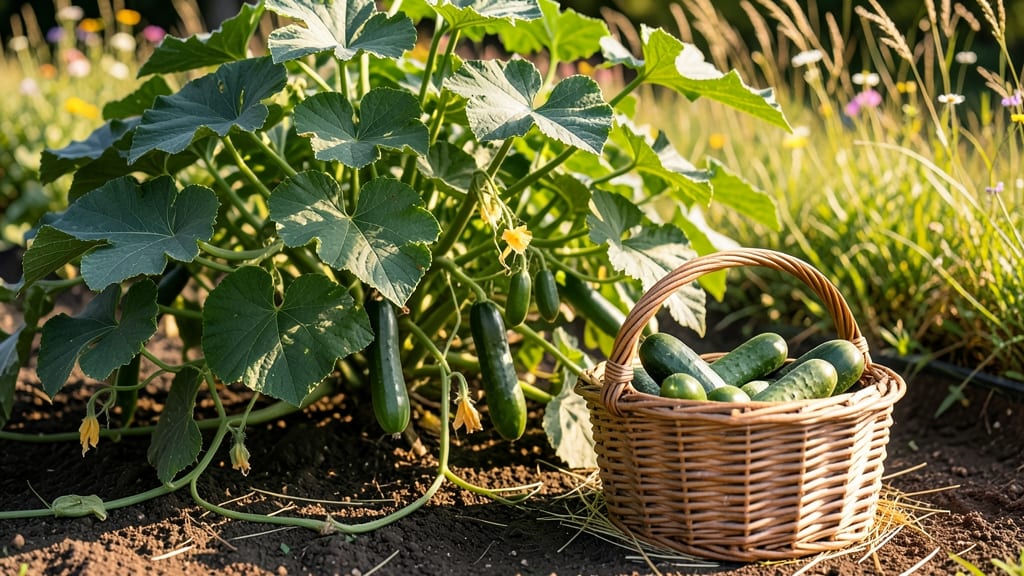
Finding round cucumber images helps identify varieties like the Suyo Long or Apple Cucumber, which develop into globe-like or oval forms instead of the typical elongated shapes. Their distinctive bulbous profiles and textured skins make them stand out in garden photos and market displays.
These unique cucumbers aren't just visually striking—they're the result of careful breeding that emphasizes compact growth patterns. 🌱 Unlike their long cousins, round varieties often have denser flesh and fewer seeds, making them perfect for slicing or pickling.
I always recommend starting with the Suyo Long if you want a reliable round option, as it thrives in both warm climates and containers. The key visual difference?
Their leaves tend to be broader and more lobed than standard cucumber varieties, which helps gardeners spot them early in the growing season.
For photographers or gardeners, capturing these shapes in images reveals their true potential. The Apple Cucumber, for example, often develops a slightly ribbed texture that adds visual interest, while the Bush Champion stays compact enough for small spaces.
These traits make them ideal subjects for both culinary and decorative photography.
💡 In This Article
- How Round Cucumber Varieties Differ From Standard Cucumbers
- Best Round Cucumber Varieties for Home Gardens With Photos
How round cucumber varieties differ from standard cucumbers
The most striking difference between round cucumbers and their elongated cousins lies in their genetic makeup. Standard cucumbers (Cucumis sativus) typically grow long and cylindrical due to a dominant gene that promotes cell elongation along the fruit's length.
In contrast, round varieties like the Suyo Long or Apple Cucumber carry recessive alleles that suppress this elongation, resulting in compact, globe-like shapes. This genetic trait often stems from selective breeding focused on fruit density rather than vine productivity.
Botanically, round cucumbers develop shorter internodes—the segments between leaf nodes—which forces the fruit to grow outward rather than upward. Their flesh tends to be denser with fewer voids, creating a firmer bite.
For example, the Apple Cucumber has a seed cavity that occupies only about 20-30% of its volume compared to 50% in standard slicing cucumbers. This makes round varieties ideal for slicing or pickling, as they hold their shape better during cooking.
The ripening process also differs significantly. Standard cucumbers reach harvest size in 6-8 weeks and continue elongating until picked, while round varieties like the Bush Champion mature in just 50-55 days and maintain their spherical form.
Their skin often develops a slightly waxier texture, which helps preserve moisture—a trait visible in high-quality round cucumber images. This waxy coating also makes them more resistant to cracking under fluctuating temperatures.
Gardeners will notice another key distinction in vine habits. Round cucumber varieties frequently produce bushier, more compact vines that spread horizontally rather than climbing vertically. The Little Leaf variety, for instance, grows only about 3-4 feet tall with broad, lobed leaves that resemble those of squash.
This compact growth pattern makes them perfect for container gardening or small plots, where space is limited.
Pollination methods play a role too. Many round varieties are parthenocarpic, meaning they produce fruit without fertilization, which eliminates the need for bees. This trait results in seedless cucumbers that maintain their shape perfectly—ideal for culinary use.
In contrast, standard cucumbers often require pollination, leading to larger seed cavities and more irregular shapes as they mature.
For photographers documenting these varieties, the visual contrast is undeniable. Round cucumbers appear almost sculptural in garden photos, with their smooth, bulbous forms standing out against the long, tapered shapes of traditional cucumbers.
Their textured skin and uniform size make them excellent subjects for food styling, where consistency in appearance is key.