
Plants
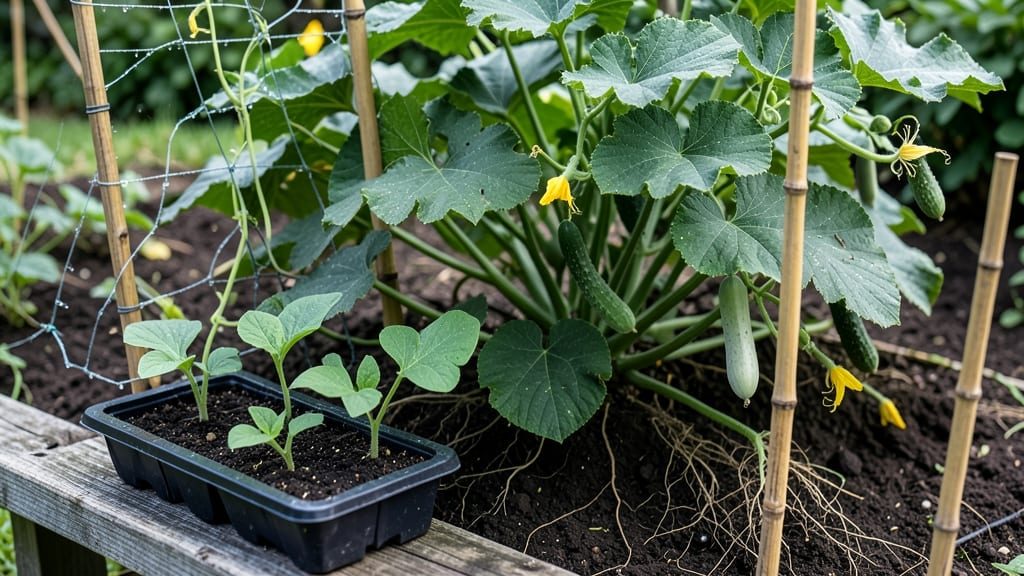
Plant cucumbers in Florida when soil temperatures hit 60°F or higher—the secret to fast germination and avoiding bitter fruit, whether you're in the Panhandle or the Keys.
Florida’s long growing season makes cucumbers a year-round favorite—but planting at the wrong time can lead to bitter fruit or poor yields.
Timing is everything, and this guide reveals the exact windows for fast germination based on Florida’s heat zones, so you can skip the guesswork and enjoy crisp, homegrown 🥒 all year.
North Florida’s cooler winters mean your best bets are spring (March–May) and fall (August–October), while South Florida gardeners can plant year-round—just watch for summer’s brutal heat. We’ll break down the ideal soil temps, heat-tolerant varieties, and even how to stretch your harvest with shade cloth and mulch.
Ready to grow cucumbers that outperform store-bought? You’ll learn the fastest way to get seeds sprouting, how to avoid common pitfalls like bolting or root rot, and which Florida-friendly varieties deliver the most fruit with the least fuss.
Florida cucumber planting calendar by heat Zone (with germination tips)
Florida’s three distinct heat zones create unique planting windows for cucumbers—each with specific soil temperature and frost-free considerations. Whether you're in North Florida’s Zone 8a, Central Florida’s Zone 9a, or South Florida’s Zone 10a, timing your cucumbers right ensures fast germination and sweet, productive vines.
Let’s break down the ideal planting months and heat-tolerant varieties that thrive in each region.
Cucumbers need soil temperatures above 70°F to germinate properly, but Florida’s humidity and summer heat can stress young plants if planted too early. The key is succession planting—staggering seeds every 2-3 weeks—to keep your harvest going from spring through fall.
Below, I’ll show you the exact planting calendar for each zone, plus pro tips for beating Florida’s heat and pests.
Why timing matters: Planting cucumbers when soil is too cold delays germination, while planting in peak summer heat (June-August) can cause bitter fruit and bolting. The sweet spot? Spring (March-May) and fall (August-October) when temperatures are warm but not scorching. For Zone 10a, you can even plant year-round with shade cloth and drip irrigation.
Here’s a quick comparison of Florida’s three heat zones and their best planting windows, including soil temp thresholds, frost-free dates, and top varieties for each region:
| Heat Zone | USDA Zone | Best Planting Windows | Soil Temp for Germination | Last Frost Date | Top Varieties | Pro Tips |
|---|---|---|---|---|---|---|
| North Florida | 8a | March 15–April 30 August 15–September 30 |
70–75°F | January 15–February 15 | ‘Straight Eight’ ‘Marketmore 76’ |
Use black plastic mulch to warm soil faster. Plant after last frost—cucumbers cannot tolerate frost. |
| Central Florida | 9a | February 15–April 15 July 15–September 15 |
70–78°F | December 1–January 10 | ‘Sweet Success’ ‘Diva’ (bush type) |
Avoid midday sun in summer—use 30% shade cloth. Succession plant every 2 weeks for continuous harvest. |
| South Florida | 10a | Year-round (with caution in peak summer) | 75–85°F | Rare (December possible) | ‘Lemon Cucumber’ ‘Armenian’ (heat-tolerant) |
Plant in partial shade during June–August. Use drip irrigation to avoid fungal diseases in humidity. |
For North Florida (Zone 8a), focus on spring and fall plantings to avoid summer’s intense heat. Start seeds indoors 4–6 weeks before the last frost date (typically mid-January) and transplant after soil reaches 70°F.
Varieties like ‘Straight Eight’ are heat-tolerant but still benefit from afternoon shade in July and August.
In Central Florida (Zone 9a), you’ve got a longer growing season, but summer planting requires extra care. Use row covers or shade cloth to protect seedlings from scorching sun. Bush varieties like ‘Diva’ are ideal here—they don’t sprawl and produce faster in heat.
Plant your first batch in February and succession plant every 2 weeks until September.
South Florida (Zone 10a) gardeners have the luxury of year-round cucumbers, but peak summer (June–August) demands strategic planting. Opt for heat-loving varieties like ‘Lemon Cucumber’ or ‘Armenian’ and plant in partial shade. Drip irrigation is a game-changer—it keeps roots cool and prevents fungal diseases like powdery mildew. For container gardening, use 5-gallon pots with well-draining soil.
No matter your zone
How to extend your cucumber season in Florida (avoiding bolting & bitterness)
Florida’s scorching summers and relentless humidity can turn your cucumber plants into bitter, seedy disappointments if you’re not strategic. The key to a long harvest is managing heat stress and preventing premature bolting.
With the right techniques, you can enjoy fresh cucumbers from spring through fall—even in the hottest months.
I’ve grown cucumbers in Florida’s Zone 9a for years, and the difference between a short, bitter harvest and a prolonged, sweet bounty comes down to three things: shade management, mulching, and succession planting.
Let’s break down the exact steps to beat the heat and keep your vines productive.
- 1 Use 30-50% shade cloth during peak summer months (June-August) to reduce leaf temperatures by 10-15°F. Install it permanently over trellises or use removable frames for flexibility.
- 2 Mulch with straw or black plastic to maintain soil moisture and block weeds. Black plastic also warms soil faster in spring, speeding up germination by 5-7 days.
- 3 Plant heat-tolerant varieties like ‘Straight Eight’ or ‘Southern Sweet 100’, which handle 90°F+ temperatures better than standard types. Avoid ‘Lemon Cucumber’—it’s prone to bolting.
- 4 Succession plant every 2 weeks from March to October. Start with bush varieties in summer (they bolt less) and switch to vining types in spring/fall for higher yields.
- 5 Water deeply at soil level in the early morning to avoid fungal diseases. Drip irrigation is ideal—it delivers 1-2 inches of water weekly without wetting leaves.
One of my biggest mistakes was ignoring the soil temperature—cucumbers won’t germinate well below 70°F. In North Florida (Zone 8a), wait until mid-April for summer plantings, while South Florida (Zone 10a) can start as early as February.
Always test soil with a thermometer to avoid slow starts.
For container gardening, choose 5-gallon pots with fast-draining soil and place them in partial shade during afternoon heat. I’ve had success with ‘Spacemaster’ cucumbers in containers—they’re compact and bolt-resistant. Just remember to fertilize lightly every 3-4 weeks with a balanced 10-10-10 mix to avoid salt buildup.
Harvesting frequently is non-negotiable—pick cucumbers every 2-3 days to prevent bitterness. If you see yellowing leaves or stunted growth, it’s a sign of heat stress. At that point, increase shade to 50% and reduce watering slightly to let the plant recover.
With these strategies, you’ll enjoy sweet, crisp cucumbers for months, not weeks.