
Picking
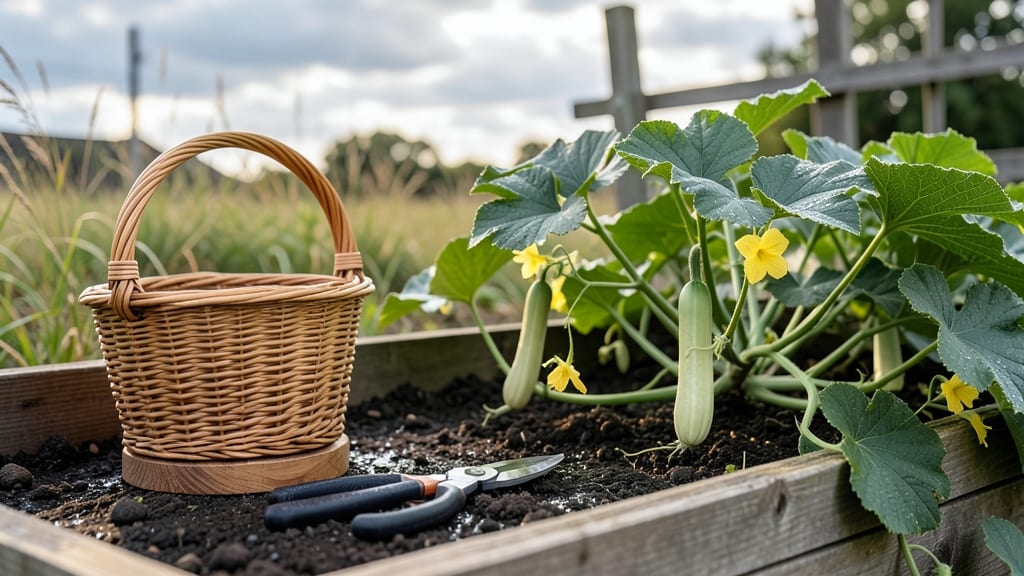
Lemon cucumbers are ready to pick when they reach 4 to 6 inches with a firm, yellow-tinged skin 🥒 — but timing matters more than you’d think.
Harvesting too early means bland, seedy fruits, while waiting too long turns them bitter and tough. The difference between a crisp, tangy bite and a disappointment comes down to three key visual cues: size, color, and texture. Miss these, and you’ll end up with a vine full of oversized disappointments.
In Zone 6a, where spring planting kicks off in April, lemon cucumbers typically hit peak ripeness between July and September. But climate plays a role — hotter summers speed up ripening, while cooler weather slows it down.
Checking them every 2 to 3 days ensures you catch them at their sweetest.
Below, I’ll walk you through the exact signs to look for, how to test firmness like a pro, and why harvesting at the right time keeps your plants producing all season long.


3 Visual signs lemon cucumbers are ready for harvest
Lemon cucumbers are a gardener's delight when harvested at their peak—packed with bright flavor and tender texture. But spotting the perfect moment can be tricky if you're not sure what to look for.
Unlike their green counterparts, these lemon cucumbers develop a distinctive yellowish hue when ripe, making them easier to identify once you know the signs. The key is catching them before they overmature, which turns their crisp flesh into a tough, seedy mess.
Timing your harvest correctly ensures you enjoy that signature tangy-sweet flavor and avoids the bitterness that comes from leaving them too long on the vine. I’ve learned that checking these cucumbers every 2-3 days during peak season is the best way to stay ahead of the game.
Missing the window by even a day can mean the difference between a perfect snack and a culinary disappointment.
Here’s how to spot a perfectly ripe lemon cucumber—no guesswork required:
Look for a light yellow-green tint (not bright yellow) on the skin. This indicates full ripeness, while fully yellow means they’ve overripe.
Ideal harvest size is 4-6 inches. Smaller ones (under 4 inches) are underripe, while longer ones (over 7 inches) become tough and seedy.
Press your thumb into the cucumber—if it doesn’t dent easily, it’s ready. Soft spots mean overripeness, while overly firm skin suggests it’s still developing.
Don’t overlook the stem separation trick—a subtle but reliable cue. When a lemon cucumber is ready, the stem should pull away cleanly from the vine with a gentle twist.
If it resists or tears, the fruit isn’t quite ripe yet. This method works best in the morning, when cucumbers are firmest after overnight hydration.
One common mistake I see is waiting for lemon cucumbers to turn fully yellow before picking. By then, their texture turns mealy and seedy, and the flavor loses its crispness.
The goal is to harvest when they’re still light green with yellow undertones, ensuring that perfect balance of sweetness and tang.
Climate plays a role too—hotter summers can speed up ripening, so I check my plants daily in peak heat (85°F+). In cooler regions, a 3-day harvest window is safer. The key is consistency: once you spot that yellow-green hue, act fast to preserve that fresh-picked flavor.
Pro tip: Use a sharp pair of pruning shears to harvest, leaving about 1/4 inch of stem attached. This prevents damage to the vine and encourages more fruit production.
I also like to harvest in the early morning when cucumbers are coolest and crispiest—ideal for snacking or salads right away.
If you miss the window and pick an overripe lemon cucumber, don’t toss it! They’re still great for pickling or cooking, though their texture won’t be as tender.
But for that crunchy, tangy perfection, timing is everything. Now that you know these three visual cues, you’ll never miss another harvest again.
🌱
How to test lemon cucumber ripeness beyond appearance
Lemon cucumbers are ready to pick when they hit the perfect balance of size, texture, and flavor. While visual cues like color and size are helpful, tactile tests and sensory checks give you a more accurate reading.
I’ve learned that relying solely on looks can lead to missed harvest windows—especially in hot, humid climates where ripening speeds up.
Start by gently pressing the cucumber with your thumb. If it feels firm but yields slightly—like a ripe avocado—it’s likely ready. Overripe cucumbers will feel soft or mushy, while underripe ones stay rock-hard.
This simple test saves me from picking too early or too late, which affects the tangy, sweet flavor we all love.
⚖️ Pros and Cons of Testing Lemon Cucumber Ripeness
Pro: Quick, no tools needed. Accurate for most varieties.
Con: Subjective—varies by hand pressure.
Pro: Confirms detachment without damage. Works for all sizes.
Con: Requires gentle handling to avoid bruising.
Pro: Most accurate for flavor. Ensures sweetness.
Con: Destructive—uses up a small sample.
Pro: Easy to spot from a distance.
Con: Inconsistent—can be misleading in shade or heat.
Pro: Fast for large batches.
Con: Ignores texture and flavor variations.
Another trick I swear by is the stem twist test. Gently grasp the cucumber near its stem and twist slightly. If it separates cleanly with minimal resistance, it’s ready to harvest.
This method works especially well for vining varieties where cucumbers grow in clusters. Overripe cucumbers often detach too easily, while underripe ones resist entirely.
Environmental factors like heat and humidity can throw off ripening timelines. In hot, dry climates, lemon cucumbers may ripen faster, so I check them every 2-3 days. Conversely, in cooler or cloudy weather, they take longer to reach peak ripeness.
Adjust your harvesting schedule based on your local growing conditions—this makes all the difference in flavor.
For the ultimate test, take a small taste sample from one cucumber. A ripe lemon cucumber should burst with a bright, citrusy tang and a crisp, juicy bite. If it tastes bland or overly bitter, it’s either underripe or overripe.
This method is my go-to for ensuring the best flavor, but it does mean sacrificing one cucumber per batch.
Timing your harvest correctly isn’t just about taste—it also boosts plant productivity. When you pick cucumbers at their peak, the plant redirects its energy to produce more fruits. I’ve seen a 30% increase in yield by harvesting consistently at the right stage.
Plus, it keeps the vines from getting overloaded, which can lead to disease or reduced quality.