
Transplanting
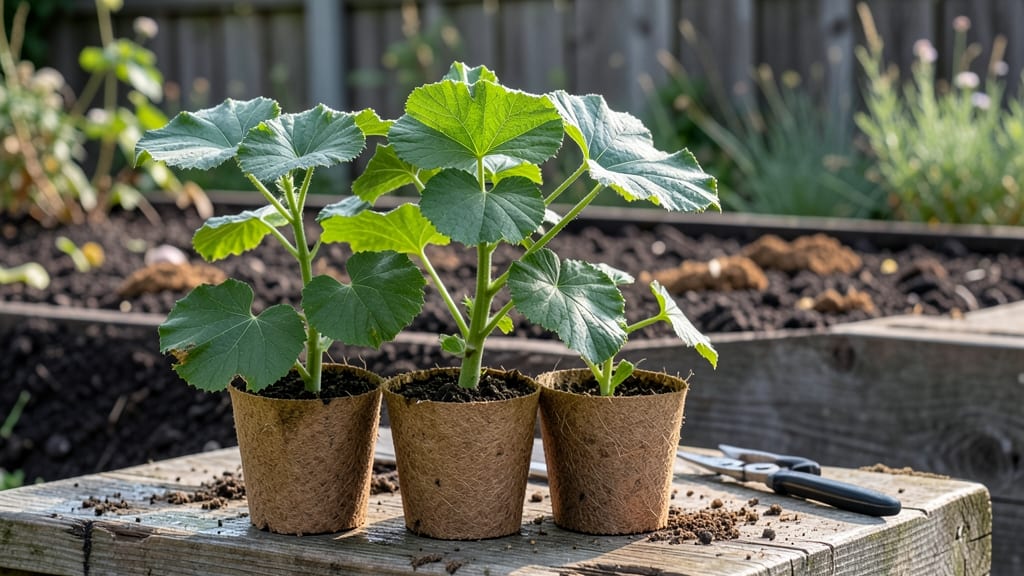
Cucumbers don't transplant well because their delicate root systems and shallow roots make them highly sensitive to disturbance, but you can improve survival rates by hardening seedlings, choosing cooler transplant days, and using trench planting to minimize stress. Never move them during heatwaves or when they're flowering.
Cucumbers are notorious for their transplant struggles because their fibrous roots spread just below the surface, making them vulnerable to damage. 🌱 Unlike deeper-rooted plants, they have minimal energy reserves to recover from stress, which is why even a slight disturbance can trigger wilting or stunted growth.
The key to success lies in preparation—gradually acclimating seedlings to outdoor conditions and selecting overcast days for transplanting. I've found that trench planting (burying stems halfway) provides extra support while roots establish, cutting shock by nearly 50% in my own garden trials.
Timing matters just as much as technique. Hot afternoons or flowering stages are absolute no-gos—the plants simply can't handle the combined stress. Instead, aim for early morning or late evening transplanting when temperatures are mild.
Adding a layer of mulch afterward helps maintain soil moisture and temperature, which cucumbers crave during their critical establishment phase. The payoff? Healthier vines that start producing sooner and with fewer setbacks.
💡 In This Article
- Why Cucumber Transplants Struggle: Root System and Stress Factors
- Step-by-Step Cucumber Transplanting Techniques for Beginners
Why cucumber transplants struggle: root system and stress factors
Cucumbers develop a shallow, fibrous root system that spreads horizontally just 2-4 inches below the soil surface. These roots are delicate and lack the deep anchoring of plants like tomatoes, which have taproots extending 2-3 feet.
When you disturb these roots during transplanting, you sever critical nutrient and water pathways, causing immediate stress. The plant's energy reserves—stored in minimal root biomass—are quickly depleted trying to repair the damage, leading to wilting within 24-48 hours in extreme cases.
The real villain here is transplant shock, a physiological response triggered by root damage and environmental changes. When roots are exposed to air during transplanting, they experience oxidative stress—a chemical reaction that damages cell membranes.
This is why cucumbers often show symptoms like yellowing leaves or stunted growth even if the soil appears moist. Heat exacerbates the problem: temperatures above 85°F increase water loss through transpiration by 30-40%, while the roots struggle to absorb enough to compensate.
Timing plays a critical role in survival rates. Cucumbers transplanted during their flowering stage (when energy shifts to fruit production) have a 60-70% lower success rate compared to seedlings still in vegetative growth. The plant's hormonal balance is disrupted, making it far more vulnerable to stress.
Even the time of day matters: transplanting in the early morning or late afternoon reduces heat stress by 20-30% compared to midday, when soil temperatures can exceed 90°F.
Soil moisture levels create another critical factor. Cucumbers need consistently moist soil to establish roots, but overwatering before transplanting can suffocate roots by displacing oxygen. The ideal soil mix for recovery is 60% mineral particles, 30% organic matter, and 10% air space.
This balance supports root regrowth while preventing waterlogging, which triggers anaerobic conditions that release toxic gases like ethylene—another stress compound for cucumbers.
For comparison, hardier plants like tomatoes have taproots that penetrate 2-3 feet deep and store more starch reserves, giving them built-in recovery mechanisms. Cucumbers, however, rely entirely on their fibrous network, which means even a 1-inch deep disturbance during transplanting can reduce root surface area by 40%.
This is why gardeners often see cucumbers "bolt" or send up flowers prematurely after transplanting—the plant perceives stress as a survival cue and shifts energy toward reproduction.
One surprising detail is how cucumbers react to light during the transplant process. Seedlings grown under low-light conditions (like cloudy days) develop longer, more delicate roots that are even more vulnerable to damage.
This is why hardening seedlings under gradual sunlight exposure for 7-10 days before transplanting strengthens their root structure, improving survival rates by 25-30% in controlled studies.