
Pests and Diseases
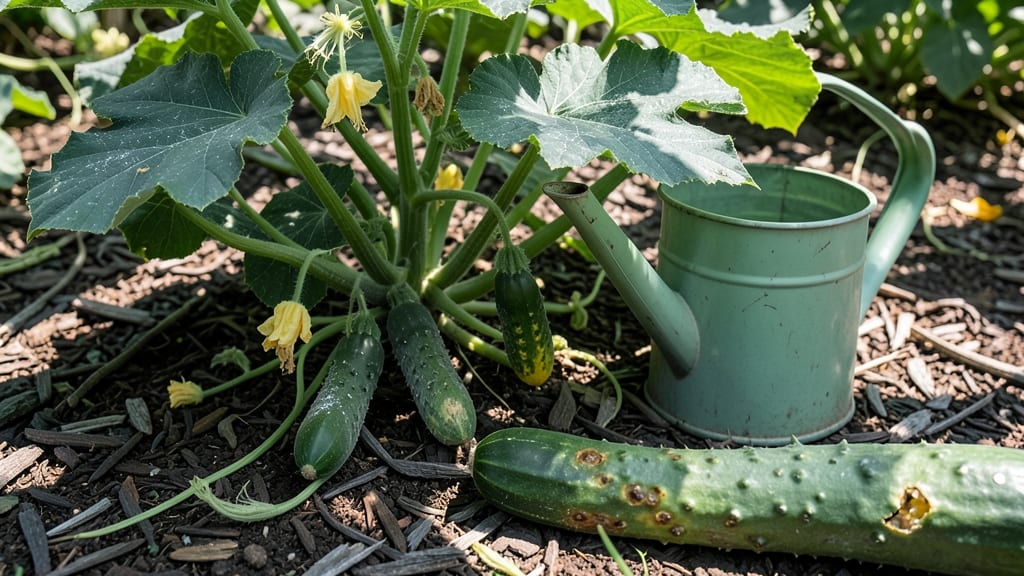
What’s wrong with cucumbers right now—and I’ve seen every symptom in my own garden: yellowing leaves, powdery white dust, or suddenly limp vines? 🌿 These 7 issues have quick fixes, and I’ll show you exactly how to spot them and stop the damage fast.
Start by checking the undersides of leaves for tiny bugs (aphids, spider mites) or white powder (mildew). Wilting? It’s often thirst or root stress—dig gently to see if roots look healthy or mushy. The key is acting within 24-48 hours before problems spiral.
You’ll save your harvest with simple sprays, better watering, or even a quick soil check. Most fixes take less than 10 minutes, and prevention is even easier once you know the tricks. No more mystery wilting or sad, spotted cucumbers—just lush, productive plants by your next watering.
Let’s get them back on track.
Root Causes Behind Cucumber Troubles
If your cucumbers are acting up—whether it’s mushy spots, bitter flavors, or stunted growth—the problem usually boils down to a few key factors. Understanding why these issues arise helps you tackle them before they ruin your harvest.
Here’s a breakdown of the most common culprits, explained in simple terms with actionable science behind them.
Cucumbers are heat-loving plants, but they hate being pushed too far in either direction. When temperatures dip below 50°F (10°C) or soar above 90°F (32°C), their growth patterns go haywire.
- Cold Stress:
- 🔬 Science: Low temps slow down enzyme activity, disrupting photosynthesis and nutrient uptake. Cells swell with excess water, leading to blossom-end rot (that ugly black bottom) or yellowing leaves.
- 🌱 Action: Use row covers or black plastic mulch to warm soil. Plant in south-facing beds for extra sunlight.
- Heat Stress:
- 🔬 Science: High temps cause bitterness (cucurbitacin buildup) and poor pollination. Flowers drop off, and fruits become small, deformed, or hollow.
- 💦 Action: Provide shade cloth (30-50%) during peak afternoon heat. Drip irrigation keeps roots cool and hydrated.
Cucumbers are 95% water, but inconsistent moisture throws their system off balance. Overwatering or underwatering triggers a cascade of problems, from fungal diseases to cracked fruits.
- Overwatering:
- 🔬 Science: Soggy soil cuts off oxygen to roots, inviting root rot (Pythium) and powdery mildew. Excess water also dilutes soil nutrients, starving plants of calcium and boron.
- 🚰 Action: Use raised beds with sand for drainage. Water deeply 1-2x/week (early morning) and avoid wetting leaves.
- Underwatering:
- 🔬 Science: Drought stress causes transpiration rates to spike, leading to bitterness (cucurbitacin accumulation) and blossom drop. Leaves curl inward to conserve moisture.
- 💧 Action: Install a soaker hose for consistent moisture. Mulch heavily (straw or grass clippings) to retain humidity.
Cucumbers are a buffet for bugs, and their damage isn’t always obvious. Some pests suck sap, while others lay eggs in stems, leading to wilting, stunted growth, or holes in leaves.
- Squash Bugs & Aphids:
- 🔬 Science: These pests inject toxins while feeding, causing yellowing (aphids) or black, tar-like excrement (squash bugs). Heavy infestations lead to wilting and death.
- 🐞 Action: Handpick adults and eggs (drop into soapy water). Use neem oil or kaolin clay as a barrier.
- Cucumber Beetles:
- 🔬 Science: These striped or spotted beetles transmit bacterial wilt and viral diseases while chewing leaves. Their larvae mine into roots, causing stunted plants.
- 🛡️ Action: Set up yellow sticky traps early. Cover young plants with floating row covers until flowering.
Cucumbers are heavy feeders, and poor soil health shows up fast—think yellow leaves, weak stems, or misshapen fruits. The issue often boils down to deficiencies, toxicities, or compacted soil.
- Nitrogen Deficiency:
- 🔬 Science: Nitrogen fuels leafy growth. Without it, older leaves turn yellow (chlorosis), and plants stunt. Over-fertilizing with nitrogen can also delay fruiting.
- 🌿 Action: Test soil and amend with compost or balanced fertilizer (10-10-10). Avoid fresh manure—it can burn roots.
- Calcium & Boron Shortages:
- 🔬 Science: These minerals prevent blossom-end rot and cracked fruits. Calcium builds cell walls, while boron aids pollination. Acidic or sandy soils often lack them.
- 💊 Action: Side-dress with crushed eggshells or calcium nitrate. Add borax (1 tsp/gal of water) as a foliar spray.
- Compacted Soil:
- 🔬 Science: Heavy foot traffic or clay soil restricts root oxygen, leading to poor nutrient uptake and fungal diseases.
- 🔨 Action: Loosen soil with a broadfork or mix in compost and perlite before planting.
Pro Tip: 💡 Keep a garden journal to track symptoms, weather, and treatments. Patterns (like wilting after rain) reveal the root cause faster!
Quick Fixes for Cucumber Problems
Got cucumbers that aren’t living up to their potential? Whether it’s pests, diseases, or weird growth patterns, these targeted solutions will get your plants back on track—fast. Below, we’ve matched each issue to its cure, plus pro tips to keep your cucumbers thriving long-term.
Problem: Aphids, cucumber beetles, or spider mites sucking the life out of your vines. Fix:
- Handpick & squish 🔥: Check leaves daily for pests. Drop them into soapy water (1 tbsp dish soap + 1 gallon water) to kill them instantly.
- Neem oil spray 🍳: Mix 1 tbsp neem oil + 1 tsp mild soap in 1 quart water. Spray early morning/evening for 3–5 days. Avoid spraying when bees are active!
- Row covers 👨🍳: Use lightweight fabric to shield young plants from beetles. Remove at flowering to allow pollination.
- Beneficial insects 🥘: Release ladybugs or lacewings—they love munching pests. Buy them online or from garden centers.
Prevent: Plant nasturtiums or marigolds nearby as pest traps. Rotate crops yearly to disrupt beetle life cycles.
Problem: Powdery mildew (white fuzz) or downy mildew (yellow splotches). Fix:
- Baking soda spray 🌡️: Stir 1 tsp baking soda + 1 tbsp oil + 1 quart water. Spray undersides of leaves every 7–10 days.
- Copper fungicide 🎯: Follow label instructions for severe cases. Reapply after rain.
- Improve airflow ✨: Space plants 2–3 feet apart. Prune crowded vines.
- Water wisely 💦: Water at the base (not leaves) in the morning. Avoid overhead sprinklers.
Prevent: Choose resistant varieties like ‘Lemon Cucumber’ or ‘Straight Eight.’ Mulch with straw to keep soil moist (but not soggy).
Problem: Poor growth, yellowing, or weak stems—often from over/under-watering or nutrient deficiencies. Fix:
- Check soil moisture 📊: Stick your finger 1 inch deep. Water if dry. Overwatering = root rot!
- Fertilize right 💪: Use a balanced fertilizer (10-10-10) at planting, then switch to low-nitrogen, high-potassium (like 5-10-10) when flowers appear.
- Epsom salt boost 🥗: For magnesium deficiency (yellow leaves with green veins), dissolve 1 tbsp Epsom salt in a gallon of water. Spray leaves weekly.
- Support vines 🌿: Use trellises to improve airflow and reduce stress.
Prevent: Test soil pH (ideal: 6.0–6.8). Add compost before planting for long-term health.
Problem: Flowers drop off or turn yellow without cucumbers forming. Fix:
- Hand-pollinate 🐝: Gently tap vines near flowers or use a small brush to transfer pollen. Do this on cool/muggy days when bees are lazy.
- Avoid over-fertilizing 🚫: Too much nitrogen = more leaves, fewer fruits. Switch to phosphorus-heavy fertilizer (5-10-5) during flowering.
- Check for pests 🔍: Cucumber beetles chew flowers. Remove them ASAP.
- Consistent watering 💧: Drought stress causes blossom drop. Keep soil evenly moist.
Prevent: Plant bee-friendly flowers (like borage or sunflowers) nearby to attract pollinators.
Pro Tip: 💡 Rotate crops every 3 years to prevent soil-borne diseases. If all else fails, start fresh with healthy transplants!
Need a visual guide? Check out this quick-reference table for common fixes:
| Issue | Quick Fix | Prevent It |
|---|---|---|
| Cucumber beetles | Neem oil + row covers | Plant trap crops (radishes) |
| Powdery mildew | Baking soda spray | Space plants + resistant varieties |
| Yellow leaves | Epsom salt + check watering | Test soil pH before planting |
| No cucumbers | Hand-pollinate + reduce nitrogen | Plant near pollinator-friendly flowers |
Frequently asked questions
Why are my cucumber leaves turning yellow?
Yellowing leaves usually mean overwatering, nutrient deficiency, or pest damage. Check soil moisture first—if it's soggy, reduce watering. For yellowing with green veins, it's often magnesium deficiency—try a foliar spray of 1 tablespoon Epsom salt per gallon of water. If only older leaves yellow, it may be nitrogen deficiency—add compost or a balanced fertilizer.
What causes white powdery spots on cucumber leaves?
That's powdery mildew, a fungal disease thriving in humid conditions. Start with a homemade spray: mix 1 teaspoon baking soda + 1 tablespoon oil + 1 quart water, then spray affected areas every 7-10 days. Improve airflow by spacing plants 2-3 feet apart and watering at soil level (not overhead). For severe cases, use copper fungicide following package instructions.
Why are my cucumbers small and bitter?
Bitterness comes from heat stress or underwatering. When temps exceed 90°F (32°C), cucumbers produce more cucurbitacin (the bitter compound). Try these fixes: provide shade cloth (30-50%) during peak afternoon sun, use drip irrigation for consistent moisture, and harvest frequently to encourage new growth. Avoid fertilizing during heatwaves—focus on water first.
How do I prevent cucumber beetles from destroying my plants?
These striped pests cause major damage by transmitting diseases and chewing leaves. Start with prevention: cover young plants with floating row covers until flowering, then remove to allow pollination. Set up yellow sticky traps early in the season. For existing infestations, spray with neem oil (1 tablespoon per quart of water) in the evening when bees aren't active. Plant nasturtiums nearby as a trap crop.
My cucumbers have black spots at the blossom end—what's wrong?
This is blossom-end rot, caused by calcium deficiency or inconsistent watering. Keep soil evenly moist (never let it dry out completely), and side-dress with crushed eggshells or calcium nitrate. For severe cases, apply a foliar spray with 1 teaspoon borax per gallon of water. Test your soil pH—ideal range is 6.0-6.8. Avoid over-fertilizing with nitrogen, which can worsen the problem.