
Diseases
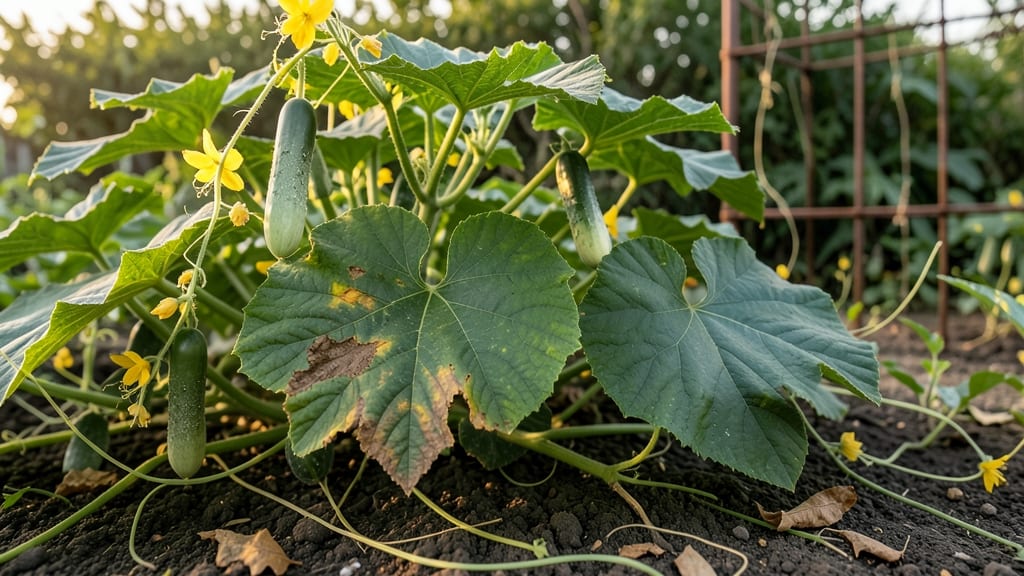
Identifying the right cucumber plant diseases pictures can help you spot that fuzzy white mess on your leaves before it spreads. That’s powdery mildew—one of the 12 fungal diseases that can turn a thriving vine into a sad, yellowing mess if you don’t act fast.
I’ve spent years tracking these diseases in my garden, and the key to saving your plants is catching them early, before they spread like wildfire. The right pictures make all the difference, because some diseases look eerily similar until you know what to watch for.
Most of these fungal problems start with too much moisture—whether from overhead watering, crowded plants, or poor air circulation. My biggest mistake? Ignoring the first signs until the leaves were covered in spots.
Now, I check my cucumbers twice a week for anything out of the ordinary, and I’ve saved more harvests than I can count. The good news? Many of these issues respond well to simple fixes like neem oil sprays, copper fungicides, or even just pruning for better airflow.
By the end of this guide, you’ll recognize the exact patterns of powdery mildew, downy mildew, and bacterial wilt—plus nine others—so you can act before your plants suffer. We’re talking healthier vines, bigger cucumbers, and a garden that doesn’t look like a science experiment gone wrong.
The best part? Prevention is easier than you think, and I’ll show you how to make your cucumbers nearly bulletproof against these fungal bullies.
Whether you’re dealing with a single plant or a full greenhouse, these strategies work for any cucumber-growing setup. Let’s get your plants back to thriving—before the diseases take over for good.
Root Causes Of Cucumber Diseases
Cucumber plants are susceptible to a variety of fungal diseases, and understanding why these issues arise is key to preventing them. Most problems stem from environmental conditions, poor cultural practices, or pathogen presence.
Below, we break down the real culprits behind the most common fungal infections in cucumbers—so you can address them before they take hold.
Fungal spores thrive in damp environments. Cucumbers, with their broad leaves and sprawling vines, create the perfect microclimate for moisture retention. When humidity stays above 75% or soil remains soggy for extended periods, pathogens like Pseudoperonospora cubensis (downy mildew) and Botrytis cinerea (gray mold) multiply rapidly.
Why it happens:
- Poor drainage: Compacted or heavy clay soil traps excess water, suffocating roots and creating ideal fungal breeding grounds.
- Overhead irrigation: Watering leaves (instead of the soil base) keeps foliage wet for hours, giving spores direct access to plant tissue.
- High humidity at night: Cool, moist evenings slow evaporation, prolonging leaf wetness—the #1 risk factor for downy mildew.
- Crowded plants: Poor airflow between vines traps humidity, preventing leaves from drying quickly after rain or dew.
💡 Pro Tip: Space plants 12–18 inches apart and avoid watering after 10 AM to let foliage dry by sunset. Use drip irrigation or soaker hoses to target roots only.
Fungi spread via spores carried by wind or water, but they need one more thing to infect: a vulnerable host. When cucumber vines grow too close together, stagnant air and high humidity create the perfect storm for disease.
Why it happens:
- Dense planting: More than 2–3 plants per square yard restricts airflow, trapping spores near leaves.
- Weeds or debris: Organic matter on the soil surface retains moisture and harbors fungal spores.
- Trellising mistakes: If vines aren’t properly supported, they sprawl, blocking sunlight and airflow.
🎯 Action Step: Prune yellow or diseased leaves immediately (don’t compost them—burn or trash them to prevent spore spread). Use vertical trellises to elevate vines and improve airflow.
Fungal pathogens like Fusarium and Phytophthora can survive in soil for years, lying dormant until conditions are right. Even well-meaning gardeners unknowingly introduce diseases through contaminated tools, compost, or infected plant debris.
Why it happens:
- Reusing infected soil: Planting cucumbers in the same spot year after year without rotation or sterilization leaves old spores active.
- Dirty pruners/shears: Cutting diseased leaves with unsterilized tools spreads spores to healthy plants.
- Compost from diseased plants: Unless compost is heated to 140°F+, pathogens survive and reinfect new crops.
✨ Prevention Tip: Solarize soil in late summer (cover with clear plastic for 4–6 weeks) to kill pathogens. Disinfect tools with a 10% bleach solution (1 part bleach to 9 parts water) between uses.
Cucumbers under stress—whether from nutrient deficiencies, pests, or environmental shocks—become far more susceptible to fungal infections. A weak plant is an open invitation for pathogens.
Why it happens:
- Nitrogen deficiency: Pale, yellowing leaves weaken the plant’s cuticle (its natural protective barrier), making it easier for fungi to penetrate.
- Over-fertilizing with phosphorus/potassium: While essential, too much can disrupt microbial balance in the soil, favoring harmful fungi.
- Pest damage: Aphids, spider mites, and cucumber beetles wound plants, creating entry points for fungal spores.
- Temperature swings: Sudden cold snaps or heat stress shock the plant’s immune system, leaving it vulnerable.
📊 Soil Test Tip: Test your soil’s pH (aim for 6.0–6.8) and nutrient levels. Apply balanced fertilizer (10-10-10) and compost to boost plant resilience. Neem oil can help deter pests before they cause damage.
Timing matters more than you think. While cucumbers need consistent moisture, when you water can make or break their health. Poor scheduling turns irrigation into a disease delivery system.
Why it happens:
- Evening watering: Leaves stay wet overnight, giving downy mildew spores 12+ hours to germinate.
- Frequent light watering: Encourages shallow roots and surface moisture, ideal for Botrytis and Alternaria fungi.
- Rain after fungal spores appear: Windborne spores (like those from downy mildew) hitch rides on raindrops to infect new plants.
⏰ Golden Rule: Water early in the morning (before 9 AM) so leaves dry within 4–6 hours. Use mulch (straw or grass clippings) to retain soil moisture without wetting foliage.
Quick Fixes for Cucumber Plant Ailments
Cucumber plants can fall victim to a variety of fungal diseases, but the good news is that most issues are treatable—especially if you catch them early! Below, we’ve mapped out practical, step-by-step solutions tailored to each common fungal problem, along with prevention tips to keep your cucumbers thriving.
Think of this as your emergency repair guide for sickly vines.
Signs: White, powdery coating on leaves (like dust, but fungal). Why it happens: High humidity, poor airflow, or overcrowded plants.
How to Fix It
- 🔥 Prune & Toss Severely Infected Leaves
- Snip off leaves with heavy mildew using sterilized scissors (wipe with rubbing alcohol between cuts). Do not compost infected plant debris—bag it and trash it to prevent spread.
- 🍳 Homemade Spray Solution (Safe & Effective) Mix in a gallon sprayer: - 1 tbsp baking soda - 1 tbsp vegetable oil (helps it stick) - 1 tsp dish soap (as a surfactant) - 1 gallon water Spray both sides of leaves in the early morning or evening (avoid direct sunlight, which can burn foliage).
Reapply every 5–7 days until mildew disappears.
- 👨🍳 Improve Airflow & Light
- Space plants 12–18 inches apart (or use trellises to elevate vines).
- Water at the base (never overhead) and early in the day so leaves dry quickly.
- If growing in containers, ensure drainage holes are present.
💡 Prevention Pro Tips
- 🌡️ Resistant Varieties: Choose powdery mildew-resistant cucumbers like ‘Lemon Cucumber’ or ‘Straight Eight.’
- ✨ Neem Oil Preventative Spray: Apply every 2 weeks during humid seasons (mix 2 tbsp neem oil + 1 tsp soap per gallon of water).
- 🎯 Copper Fungicide: For severe cases, use a copper-based fungicide (follow label instructions).
Signs: Yellow spots on top leaves, purple fuzz on undersides (looks like mold). Why it happens: Cool, wet conditions + poor sanitation.
How to Fix It
- 🔪 Remove & Destroy Infected Plants Downy mildew spreads rapidly. Pull up and burn or trash severely infected plants to stop spores from lingering in the soil.
- 🥘 Copper or Sulfur Fungicide Treatment
- Copper fungicide (e.g., Bordeaux mixture) or sulfur spray (for organic gardens) should be applied immediately and repeated every 7–10 days.
- Avoid neem oil—it can worsen downy mildew by promoting fungal growth.
- ⏰ Adjust Watering & Spacing
- Water only the soil, never leaves.
- Space plants 2 feet apart for better airflow.
- If using mulch, avoid organic mulches (like straw) that retain moisture—opt for plastic or gravel instead.
💡 Prevention Pro Tips
- 🌡️ Crop Rotation: Don’t plant cucumbers (or melons/squash) in the same spot for 3 years.
- 🎯 Row Covers: Use floating row covers early in the season to block spores.
- 🔥 Solarization: In late summer, cover soil with clear plastic for 4–6 weeks to kill fungal spores before replanting.
Signs: Dark, sunken spots with yellow halos on leaves/fruit; fruit may rot prematurely. Why it happens: Warm, humid weather + contaminated seeds/tools.
How to Fix It
- 🔥 Sterilize Everything
- Clean pruners, trellises, and containers with a 10% bleach solution (1 part bleach to 9 parts water).
- Disinfect seeds before planting (soak in hydrogen peroxide 3% for 10 minutes, then rinse).
- 🍳 Baking Soda Spray (Early Stages) Mix:
- 1 tbsp baking soda
- 1 quart water
- 1 tsp light oil (to help adhesion) Spray every 7–10 days until new growth appears healthy.
- 👨🍳 Remove & Replace Soil (Severe Cases) If anthracnose persists, replace the top 6 inches of soil (fungus lives in the soil) or plant cucumbers in fresh, sterilized potting mix.
💡 Prevention Pro Tips
- 🎯 Resistant Varieties: Try ‘Armenian’ or ‘Marketmore’ cucumbers.
- 🌡️ Avoid Overhead Watering: Use drip irrigation to keep leaves dry.
- ✨ Copper Fungicide: Apply preventatively at the first sign of humidity spikes.
Signs: Wilted leaves (even young ones), yellowing veins, oozing bacterial slime from stems when cut. Why it happens: Bacterial infection via contaminated soil or tools.
How to Fix It
- 🔪 Pull & Destroy Infected Plants Bacterial wilt is incurable. Remove the plant immediately and burn or bag it—do not compost.
- 🌱 Rotate Crops & Sterilize Soil
- Plant non-susceptible crops (like beans or peas) in the affected bed for 1–2 years.
- Solarize the soil (clear plastic + sunlight for 4–6 weeks) to kill bacteria.
- 👨🍳 Prevent Future Spread
- Disinfect tools with rubbing alcohol between uses.
- Avoid planting cucumbers in the same spot for 3+ years.
💡 Prevention Pro Tips
- 🎯 Use Resistant Varieties: ‘Tyria’ or ‘Calypso’ cucumbers are less susceptible.
- 🌡️ Control Flea Beetles: They carry the bacteria—use row covers or neem oil spray to deter them.
Want to avoid these issues altogether?
Follow this quick checklist before planting: - 🌱 Start with healthy seeds (buy from reputable suppliers or save your own from disease-free plants). - 🌡️ Plant at the right time (too early = cold stress = fungal entry points). - 💧 Water deeply but infrequently (1–2 inches per week, at the base). - 👨🍳 Space plants properly (12–18 inches apart for vining types). - 🔄 Rotate crops (never plant cucurbits in the same spot yearly). - 🧼 Clean up debris (remove old vines/leaves after harvest). - 🛡️ Use fungicidal sprays preventatively (copper, neem, or baking soda) during humid months.
Final Thought: Most fungal diseases are manageable with early action and good hygiene. Act fast, and your cucumber plants will bounce back—ready for a bountiful, disease-free harvest! 🥒✨
Frequently asked questions
How can I tell if my cucumber plant has a fungal disease just by looking at pictures?
Compare your plant's symptoms to visual guides showing common patterns: powdery mildew has white dust-like spots, downy mildew shows yellow patches with purple fuzz on leaf undersides, and bacterial wilt causes sudden wilting with yellow veins. Use your phone to take close-up shots of both leaf tops and undersides—most fungal diseases reveal key clues on the undersides first.
What's the fastest way to stop powdery mildew from spreading to my other plants?
Isolate infected plants immediately and apply a baking soda spray (1 tbsp baking soda + 1 tbsp oil + 1 tsp soap per gallon of water) to all cucumbers within 24 hours. Remove heavily infected leaves and sterilize pruners with rubbing alcohol between cuts. The key is acting before spores spread via wind or water.
Can I still eat cucumbers from plants with fungal diseases?
Only if the fruit shows no visible signs of disease (like spots or mold). Wash all cucumbers thoroughly with soapy water before eating, even if leaves have minor issues. For severe infections (like bacterial wilt), destroy the entire plant—some fungal spores can contaminate the fruit even if it looks clean.
Why do some cucumber varieties seem more resistant to diseases than others?
Breeders develop resistant varieties by selecting plants with natural genetic defenses against common pathogens. For example, 'Tyria' cucumbers resist bacterial wilt while 'Lemon Cucumber' handles powdery mildew better. Check seed packets for disease resistance labels—it's your first line of defense against fungal problems.
How often should I check my cucumber plants for early signs of disease?
Inspect plants 2-3 times per week during humid seasons, focusing on leaf undersides and new growth. Early detection is critical—most fungal diseases become unmanageable within 7-10 days of initial infection. Morning checks work best when leaves are dry and spores are most visible.