
Picking
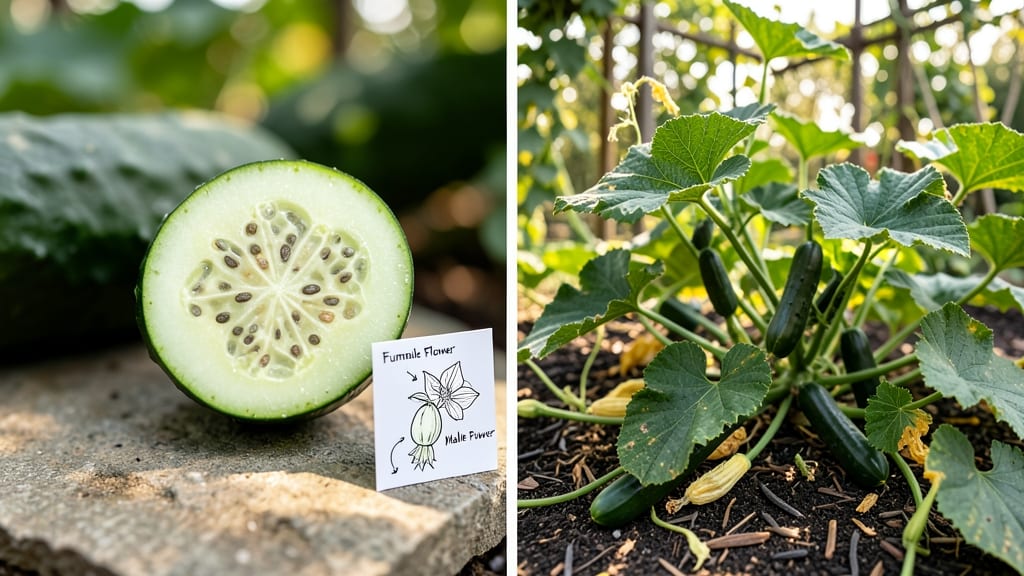
These bitter compounds aren't just about taste—they're the cucumber's way of protecting itself from pests and harsh conditions. 🌱 When cucumbers mature too long on the vine or face temperature swings, their bitterness intensifies.
I've learned that even small factors like uneven watering or planting in areas with poor drainage can trigger this response. The good news? Most commercial varieties are bred to minimize bitterness, but heirloom types often need extra attention to avoid that unpleasant kick.
For gardeners, the key is timing—harvesting cucumbers when they're firm but still small (around 6-8 inches) reduces the risk. If you notice the skin turning yellow or the seeds darkening, it's a clear sign to pick them sooner rather than later.
And don't forget: consistent moisture is critical. Cucumbers need about 1-2 inches of water per week, especially during hot spells, to keep those cucurbitacins in check.
💡 In This Article
- The Science Behind Bitter Cucumbers: Cucurbitacin Compounds
- Growing Bitter-Free Cucumbers: Proven Prevention Tips
The science behind bitter cucumbers: cucurbitacin compounds
Bitter cucumbers owe their sharp flavor to naturally occurring compounds called cucurbitacins, which act as the plant's defense mechanism against pests and environmental stress. These bitter-tasting chemicals belong to a family of triterpenoids that cucumber plants produce when they detect threats like drought, extreme temperatures, or physical damage.
The most common form, cucurbitacin E, is particularly potent and can leave a lingering bitter aftertaste that's 100 times stronger than quinine (the compound in tonic water).
What triggers this chemical response is fascinating: even minor fluctuations in water availability can send the plant into overdrive, producing up to 50% more of these compounds within just 24 hours.
Heat stress above 90°F accelerates the process, while uneven growth patterns (like lopsided fruits) create internal stress points where cucurbitacins concentrate.
The plant's natural survival instinct kicks in—it's essentially saying "I'm under attack, make me unpalatable!" to deter herbivores. 🌱 This is why cucumbers left too long on the vine often develop that unpleasant bite.
The concentration of these compounds varies dramatically between varieties. Hybrid varieties like 'Straight Eight' or 'Marketmore' are bred to have minimal cucurbitacin levels, while heirloom types such as 'Armenian' or 'Lemon' can be particularly prone to bitterness if not handled carefully.
Even within the same plant, you might find some fruits perfectly sweet while others develop a bitter edge—this inconsistency often stems from uneven water distribution or shading patterns in the garden. The plant prioritizes protecting its most vulnerable parts first.
Interestingly, cucurbitacins aren't just about taste—they have medicinal properties too. In traditional medicine, these compounds have been studied for potential anti-cancer and anti-inflammatory effects, though their bitter taste makes them impractical for consumption.
For gardeners, understanding this chemical response helps explain why even perfect-looking cucumbers can sometimes disappoint with their flavor. The key is recognizing the environmental stressors that trigger this defense mechanism before they become problematic.
What most people don't realize is that bitterness often develops unevenly within a single cucumber. The stem end typically contains higher concentrations of cucurbitacins than the blossom end, which is why many gardeners recommend cutting off the bitter stem end before using the rest.
This uneven distribution occurs because the plant concentrates its defensive chemicals where it perceives the greatest threat—usually near the attachment point where pests might enter.
For those growing cucumbers organically, this scientific understanding translates directly to practical prevention. By maintaining consistent moisture, providing adequate shade during heatwaves, and harvesting at the optimal size (6-8 inches for most varieties), you can dramatically reduce the plant's need to produce these defensive compounds.
The result? Sweeter, more consistent cucumbers that deliver on both flavor and texture. 🌿