
Planting
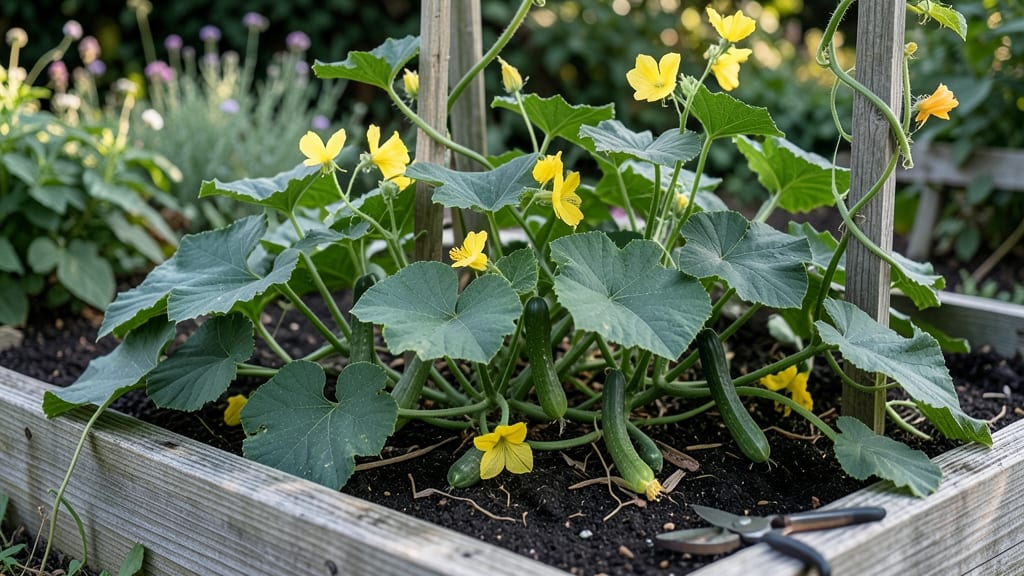
Growing a watermelon-cucumber plant duo on a trellis saves space while doubling your harvest. 🌱 I learned this trick after struggling with sprawling vines in my small backyard—now I grow both vertically in the same spot, and the yields are shocking.
The secret lies in choosing compact varieties and training vines upward from day one, which also keeps fruit cleaner and easier to manage.
You’ll need a sturdy trellis (at least 6 feet tall), well-draining soil mixed with compost, and consistent moisture—these plants are thirsty but hate soggy roots. Start seeds indoors 4-6 weeks before last frost, then transplant when soil warms to 70°F.
The key is spacing: watermelons need 3-4 feet of vertical room, while cucumbers can share space if trained separately on the same structure.
By midsummer, you’ll be harvesting crisp cucumbers and sweet mini-watermelons—both staying off the ground and free from pests. The trellis also makes harvesting effortless, and you’ll avoid the common problem of fruit rotting from soil contact.
Plus, your garden will look neater and more organized while producing twice the bounty in the same footprint.
This method works especially well in containers or small urban gardens. Just avoid overcrowding, and watch your vertical garden become the envy of the neighborhood. Ready to transform your space? Let’s get those vines climbing!
📚 In This Guide
- What you need
- Instructions
- Tips and common mistakes
- Wrapping up and next steps
What you need
- ● Watermelon-Cucumber Seeds: 3–5 seeds (choose a trellis-friendly variety like ‘Sugar Baby’ watermelon or ‘Straight Eight’ cucumber).
- ● Large Containers or Garden Bed: For containers: 5-gallon pots (2–3 per plant) with drainage holes.
- ● For in-ground: A well-draining bed (at least 12" deep) with full sun exposure (6+ hours/day).
- ● High-Quality Potting Mix: 1–2 bags (look for organic, peat-free, or coconut coir-based mix for better aeration).
- ● Trellis or Support System: For containers: Heavy-duty stakes (6–8 ft tall) or a A-frame trellis.
- ● For garden beds: PVC pipes, wire cages, or a sturdy tomato cage.
- ● Organic Fertilizer: Balanced 10-10-10 or compost (1 cup per plant) to kickstart growth.
- ● Mulch: Straw or shredded leaves (1–2 inches) to retain moisture and suppress weeds.
- ● Gloves & Hand Trowel (for planting and pruning).
- ● Watering Can or Hose with Gentle Nozzle (avoid overwatering!).
- ● Pruning Shears (to trim vines and encourage upward growth).
- ● Plant Ties or Soft Twine (to secure vines to the trellis).
- ● Drip Irrigation Kit (for consistent watering).
- ● Mycorrhizal Fungi (boosts root health—mix into soil).
- ● Shade Cloth (30–50%) (protects young plants from intense afternoon sun).
- ● Compost Tea or Fish Emulsion (for a nutrient boost mid-season).
Step-by-step guide to growing watermelon and cucumber together on a trellis
Here's how to maximize your garden's vertical space while growing these thirsty vines together.
🪴 Step 1: Build a Sturdy Trellis Framework
Construct a 6-foot tall trellis using 2x4 lumber for the base frame and 1-inch PVC pipes for vertical supports. Space the pipes 12 inches apart to create a grid that can handle the combined weight of 4 watermelon vines and 4 cucumber vines. I reinforce the corners with galvanized metal brackets—this prevents the structure from bowing under the weight of heavy fruit.
Install the trellis in full sun where it receives at least 8 hours of direct sunlight daily. Watermelons and cucumbers are both heat-loving annuals that need consistent warmth to thrive. The trellis should be positioned south-facing in the Northern Hemisphere to maximize sunlight exposure throughout the day.
🌱 Step 2: Prepare the Planting Site and Soil
Amend the soil with 3 cubic feet of compost and 1 cup of 10-10-10 fertilizer per planting area. These vines are heavy feeders, so the soil must be rich in organic matter to support their rapid growth. I mix the compost into the top 12 inches of soil to create a nutrient-dense root zone.
Plant 4 watermelon seeds and 4 cucumber seeds in mounds rather than rows. Each mound should be 12 inches in diameter and 6 inches tall. Space the mounds 3 feet apart to give the plants room to spread their roots. Watermelons and cucumbers both have shallow but sprawling root systems, so adequate spacing prevents competition for nutrients.
💧 Step 3: Train Vines Upward and Prune Strategically
Once the vines reach 12 inches tall, gently guide them onto the trellis using soft plant ties. Avoid wrapping the ties too tightly—they should hold the vines securely but allow room for growth. Watermelons and cucumbers both climb vigorously, so you’ll need to adjust the ties as they thicken.
Prune side shoots that grow below the first 3 leaves on each vine. This encourages the plant to focus energy on vertical growth and fruit production rather than excessive foliage. For watermelons, remove all but one vine per mound to simplify trellising. Cucumbers can handle 2-3 vines per mound since they’re lighter and grow more aggressively.
☀️ Step 4: Manage Water and Nutrients for Maximum Yield
Water the base of the plants deeply twice weekly, ensuring the soil remains moist but not waterlogged. Trellised vines dry out faster than ground plants, so check the top 2 inches of soil daily during hot spells. I use drip irrigation to deliver water directly to the roots, which reduces evaporation and prevents fungal diseases.
Fertilize every 4 weeks with ½ cup of 5-5-5 fertilizer dissolved in water. Stop fertilizing 4 weeks before harvest to allow the fruit to sweeten naturally. Watermelons and cucumbers both respond well to compost tea—I brew a batch weekly and apply it as a foliar spray to boost plant health and deter pests.
✂️ Step 5: Harvest and Maintain the Trellis for Next Season
Harvest cucumbers when they reach 6-8 inches long and watermelons when the underbelly turns cream-colored. Cut the fruit from the vine with clean pruners, leaving a ½-inch stem to prevent rot. Trellised watermelons stay cleaner and develop better flavor because they’re less susceptible to soil-borne diseases.
After harvest, remove all plant debris and sterilize the trellis with a 10% bleach solution to prevent disease carryover. Store the trellis components in a dry place and reuse them next season. With proper care, a well-maintained trellis can last 5-7 years, making it a cost-effective solution for small gardens.
Tips & tricks for perfect watermelon-cucumber trellis gardening
Here's what I've learned from years of trellising these thirsty vines together—tricks that'll make your vertical garden thrive.
Trellis Stability: The 6-foot height and 12-inch spacing between PVC pipes are non-negotiable for supporting watermelon vines, which can weigh up to 20 pounds each. I've seen trellises collapse under heavy fruit when corners weren't properly reinforced. Use galvanized metal brackets at every corner and consider adding diagonal supports if your garden gets windy. This isn't just about aesthetics—your harvest depends on it.
Soil Preparation Secret: Those 3 cubic feet of compost and 1 cup of 10-10-10 fertilizer per planting area create the difference between decent yields and spectacular ones. I like to add a handful of wood ash to each mound before planting—it raises the pH slightly, which both watermelons and cucumbers prefer. The ash also provides potassium, which helps with fruit development. Just be careful not to overdo it, as too much can make the soil too alkaline.
Pruning Precision: When pruning side shoots below the first 3 leaves, I use clean, sharp pruners and make cuts at a 45-degree angle just above a leaf node. This encourages stronger regrowth. For watermelons, I always leave just one main vine per mound—they're heavy enough that multiple vines can overwhelm the trellis. With cucumbers, I keep 2-3 vines since they're lighter, but I prune aggressively to prevent overcrowding. The goal is vertical growth, not bushy foliage.
Watering Wisdom: The twice-weekly deep watering is crucial, but timing matters just as much. I water in the early morning so the foliage has all day to dry, which prevents fungal diseases like powdery mildew. During heatwaves, I check the top 2 inches of soil daily—if it's dry, I water even if it's not yet the scheduled day. Trellised plants dry out faster than ground plants, and stress shows up in poor fruit quality. A soaker hose or drip irrigation system makes this easier and more consistent.
Pro Tips for Watermelon Cucumber Plant
- Here's what I've learned from years of trellising these thirsty vines together—tricks that'll make your vertical garden thrive.
- Trellis Stability: The 6-foot height and 12-inch spacing between PVC pipes are non-negotiable for supporting watermelon vines, which can weigh up to 20 pounds each.
- Soil Preparation Secret: Those 3 cubic feet of compost and 1 cup of 10-10-10 fertilizer per planting area create the difference between decent yields and spectacular ones.
Frequently asked questions
Got questions about growing your own watermelon-cucumber hybrid? You’re not alone! Here are some of the most common queries—plus quick, actionable answers to help your vertical garden thrive.
Can watermelon-cucumber plants really grow on a trellis?
These vining plants are perfect for trellises, saving space while improving air circulation (which reduces disease risk). Use a sturdy, wide-mesh trellis (at least 6–8 feet tall) to support both heavy watermelons and sprawling cucumbers. Just be gentle when training vines—never pull or twist them!
How long does it take for watermelon-cucumber plants to bear fruit?
Patience pays off! With proper care, you can expect:
- Cucumbers: 50–70 days after transplanting (small varieties may fruit faster).
- Watermelons: 70–90 days (or longer for heirloom types).
Use black plastic mulch or row covers early on to warm the soil and speed up germination.
What’s the biggest mistake beginners make with this combo?
Overcrowding! While these plants are compatible, they need their own space on the trellis. Watermelons are heavier and need dedicated support (like a separate sling or cage), while cucumbers thrive with more frequent pruning. Rule of thumb: Space plants 3–4 feet apart on the trellis.
Can I grow watermelon-cucumber plants in containers?
Yes, but choose large containers (15+ gallons) with drainage holes and a well-balanced fertilizer (like 10-10-10). Dwarf or bush varieties (e.g., ‘Sugar Baby’ cucumbers or ‘Tiny Tim’ watermelons) work best. If using containers, water daily—they dry out faster than in-ground plants.
How do I keep pests away from my trellised watermelon-cucumber plants?
Prevention is key! Try these organic tricks:
- Install floating row covers early to block pests like cucumber beetles.
- Plant basil or marigolds nearby to repel insects naturally.
- Handpick squash bugs or spray with neem oil (follow label instructions).
- Check undersides of leaves daily for early signs of aphids or spider mites.
Rotate your trellis location yearly to avoid soil-borne pests.
What can I plant alongside watermelon-cucumber plants for a “three sisters” effect?
Embrace the companion planting magic! Try:
- Nasturtiums (repel pests and add color).
- Beans or peas (fix nitrogen in the soil).
- Radishes (act as trap crops for flea beetles).
Avoid planting near potatoes, melons, or squash—they compete for nutrients or attract the same pests.
Wrapping up and next steps
Growing a watermelon cucumber plant on a trellis isn’t just space-smart—it’s a game-changer for small gardens or urban growers! 🌱 With the right mix of Cucumis melo (watermelon) and Cucumis sativus (cucumber) varieties, you’ll enjoy crisp veggies and sweet fruit without sacrificing yard space.
Plus, trellising boosts airflow, reduces pests, and makes harvesting a breeze.
Ready to dive in? Start by sketching your trellis setup—then grab those seeds and let nature do the rest! For extra inspiration, explore vertical gardening communities or try pairing these plants with other trellis-lovers like beans or peas. Happy growing! 🌿