
Pests and Diseases
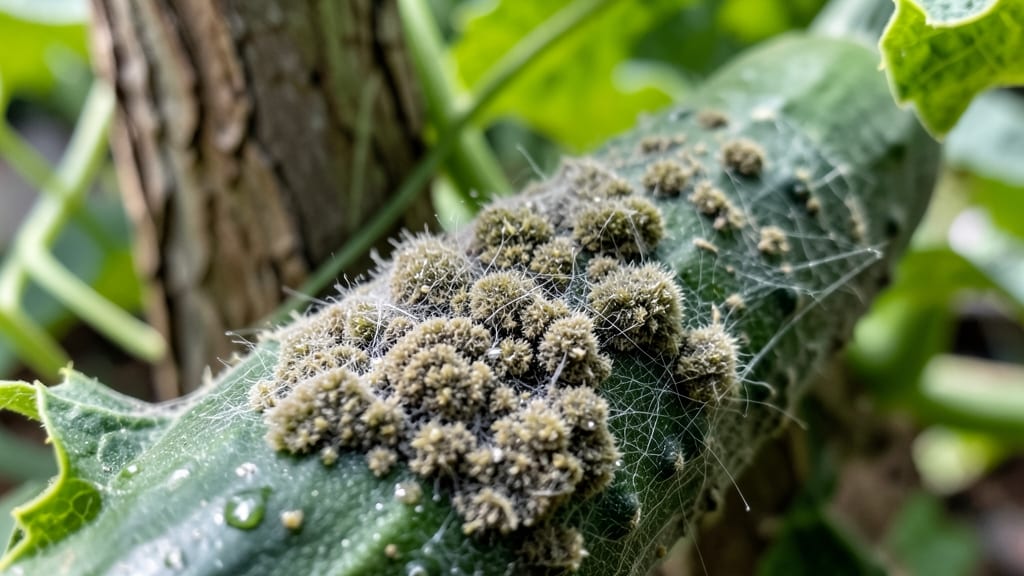
Cucumber beetles and aphids are the sneaky villains stealing your harvest before it ripens. 🌱 I’ve battled these pests for years, and the right spray can turn your struggling vines into a thriving, bug-free garden within days.
The key is choosing the right treatment—whether you prefer natural remedies or targeted organic sprays—and applying it at the right time to protect your plants without harming pollinators.
The worst offenders—cucumber beetles, aphids, and spider mites—don’t just damage leaves; they spread diseases like bacterial wilt, which can wipe out entire plants. My go-to solutions include neem oil for a broad-spectrum shield, soapy water for quick aphid control, and pyrethrin-based sprays for stubborn beetles.
Each works best when applied in the early morning or evening to avoid harming bees and other beneficial insects.
By the time you’re done spraying, your cucumbers will grow stronger, faster, and free from chewed leaves or sticky residue. The secret is consistency: reapply every 5-7 days (or after rain) to keep pests at bay.
You’ll harvest crisp, unblemished cukes all season long—no more wilted vines or half-eaten fruits.
Works for both container gardens and in-ground rows, and adapts to organic or conventional growing methods. Let’s get those pests under control before they ruin your harvest!
Root Causes of Cucumber Pests
Cucumbers may seem like the picture-perfect, low-maintenance garden crop—until bugs start feasting on your plants. Understanding why these pests show up is the first step to kicking them out for good. Let’s break down the science behind their unwelcome visits and how your garden might be inviting them in.
Pests thrive in chaos, and cucumbers left to sprawl without proper care become a buffet. When plants are overcrowded, airflow is restricted, creating damp, shaded conditions that attract: - Aphids (🐜 Aphis spp.): These sap-sucking insects love tender, stressed leaves.
Poor airflow traps honeydew (their sticky waste), which encourages sooty mold—a double whammy for your plants. - Powdery Mildew (🍄 Erysiphe cichoracearum): While not an insect, this fungal disease weakens cucumbers, making them more vulnerable to secondary pests like spider mites (🕷️ Tetranychus urticae). - Cucumber Beetles (🐞 Acalymma vittatum): These striped invaders lay eggs in crowded soil, and their larvae burrow into roots, stunting growth.
Actionable Fix: Space plants 12–24 inches apart, prune yellowing leaves, and ensure full sun (6+ hours/day). Healthy plants = fewer pest parties.
Cucumbers, like all plants, have natural pest-repelling tools—bitter cucurbitacins in some varieties, for example. But when these defenses are compromised, bugs move in.
Common triggers include: - Nutrient Deficiencies: Low nitrogen (🌱 _N_) makes leaves paler and softer, a red flag for aphids and whiteflies (🦋 Bemisia tabaci). - Water Stress: Overwatering (💦 root rot risk) or drought (🌞 wilting) weakens cell walls, making plants easier targets for chewing pests like cucumber beetles. - Previous Pest Damage: Once a plant is bitten, it releases volatile organic compounds (VOCs) that attract more pests—like a dinner bell for cabbage worms (🐛 Pieris rapae).
Actionable Fix: Test soil pH (ideal: 6.0–6.8) and fertilize with balanced 10-10-10 or compost. Drip irrigation (not overhead) keeps foliage dry and roots happy.
Some pests are drawn to cucumbers like a magnet because of their biology or your garden’s layout. Here’s what’s luring them: - Bright Yellow Flowers: Cucumber beetles are drawn to yellow blooms—they mistake them for flowers of their host plants (like marigolds).
Even if you’re growing cucumbers for their fruit, the flowers are a beacon. - Nearby Weeds: Dill, fennel, and wild parsnip (🌿 Apiaceae family) attract swallowtail butterfly caterpillars, which later munch on cucumber leaves. - Compost Piles: Rich, decaying matter (🍂 especially meat scraps) can harbor eggs of flies like the melon fly (🪰 Bactrocera cucurbitae), which lay eggs in fruit.
Actionable Fix: Remove weeds within 10 feet of cucumbers, avoid planting near aromatic herbs (like dill), and keep compost bins away from the garden.
Pests don’t just randomly appear—they follow the calendar and weather. Key factors: - Warm, Humid Springs: Ideal for aphid and whitefly populations to explode. A single generation can become hundreds in weeks! - Late Summer Heat: Drought-stressed plants produce smaller, sweeter fruits—which cucumber beetles love.
Their larvae also thrive in dry soil. - Rainy Seasons: Fungal gnats (🪰 Sciaridae) and slugs (🐌 Arion spp.) multiply in soggy soil, while powdery mildew spores spread via water droplets.
Actionable Fix: Use row covers early in the season to block flying pests. Mulch with straw (not fresh grass clippings) to retain moisture without inviting slugs.
Even the best gardeners accidentally create pest paradises. Common blunders: - Reusing Containers: Old pots may harbor fungal gnats or beetle larvae.
Always sterilize containers with a 10% bleach solution before replanting. - Bringing in Infested Plants: Those "discount" cucumber starts might look great—but if they’re riddled with spider mites, you’ve just imported a problem. - Ignoring Beneficial Insects: Ladybugs (🐞 Hippodamia convergens) and lacewings (🪰 Chrysoperla) eat aphids.
If you’re spraying broad-spectrum pesticides, you’re also wiping out their allies.
Actionable Fix: Buy certified disease-free seeds/starts, rotate crops yearly, and avoid neonicotinoid sprays (they harm pollinators and natural predators).
💡 Pro Tip: Keep a garden journal! Note when pests appear, the weather, and what you’ve planted nearby. Patterns will reveal your specific triggers—like that one compost bin that’s a beetle magnet.
Quick Fixes for Cucumber Bug Battles
If your cucumber plants are under siege, don’t panic—there’s a solution for every pest! Below, we’ve mapped out practical, spray-based remedies tailored to the most common cucumber bugs, along with prevention tips to keep your plants thriving. These fixes are easy to mix, apply, and repeat—no fancy equipment needed.
Fix: Soapy Water Blast Aphids cluster on leaves and stems, draining sap and spreading viruses. A homemade insecticidal soap spray is your first line of defense.
- Mix it up: Combine 1 tablespoon of mild liquid dish soap (like Dawn) with 1 quart of water. Add 1 teaspoon of vegetable oil to help the soap stick to aphids.
- Spray thoroughly: Drench both sides of leaves and stems, focusing on clusters.
Reapply every 3–5 days or after rain. 3. Rinse off (optional): If soap residue builds up, rinse leaves with plain water after 24 hours.
💡 Pro Tip: Neem oil spray (1 tbsp neem oil + 1 tsp soap + 1 quart water) works even better—it disrupts aphid life cycles and deters future infestations.
Prevention:
- Encourage natural predators like ladybugs and lacewings by planting dill, fennel, or marigolds nearby.
- Inspect new plants before adding them to your garden—aphids hitchhike on stems!
Fix: Pyrethrin or Homemade Chili Pepper Spray These beetles chew leaves, spread bacterial wilt, and lay eggs in soil. A hot pepper spray is a non-toxic, effective deterrent.
- Blend it: Mix 2 tablespoons of cayenne pepper (or hot sauce) with 1 quart of water. Strain to remove chunks.
- Add soap: Stir in 1 teaspoon of dish soap to help the spray cling.
- Spray at dusk: Beetles are most active in the evening. Reapply every 5–7 days or after rain.
✨ Extra Defense: Row covers (floating fabric) block beetles entirely—install them at planting time for zero-spray protection.
Prevention:
- Rotate crops—don’t plant cucumbers in the same spot yearly.
- Remove weeds where beetles hide.
Fix: Water Blast + Horticultural Oil These microscopic pests thrive in dry, dusty conditions, sucking juice from leaves and causing stippling. A strong water spray disrupts their webs, while oil smothers them.
- Blast ‘em off: Use a hose with a gentle spray nozzle to rinse mites off leaves (do this in the early morning so leaves dry quickly).
- Oil treatment: Mix 2 tablespoons of horticultural oil (or light mineral oil) with 1 quart of water.
Spray undersides of leaves where mites hide. Repeat every 7 days.
🌡️ Pro Tip: Increase humidity—mites hate it! Use a sprinkler to mist plants on hot days.
Prevention:
- Keep soil moist—drought stress attracts mites.
- Prune crowded vines for better airflow.
Fix: Diatomaceous Earth + Manual Removal These armored pests hide under leaves and release a foul odor when crushed. Diatomaceous earth (DE) is a physical barrier that dehydrates them.
- Apply DE: Sprinkle food-grade DE around the base of plants and on leaf undersides. Reapply after rain or watering.
- Handpick adults: Wear gloves and crush bugs in soapy water (they release a stinky defense mechanism!).
- Use cardboard traps: Place flattened cardboard near plants—bugs crawl underneath and can be disposed of.
🔥 Hot Tip: Beetle traps (yellow sticky cards) lure squash bugs away from plants.
Prevention:
- Mulch heavily to discourage egg-laying.
- Rotate crops with non-cucurbit plants (like beans or tomatoes).
Even if pests haven’t arrived yet, proactive spraying can save your harvest. Try these preventive mixes:
| Spray Type | Recipe | How Often |
|---|---|---|
| Garlic Spray | 1 crushed garlic clove + 1 tsp soap + 1 qt water | Weekly (or after rain) |
| Citrus Peel Spray | 1 cup citrus peels (blended) + 1 qt water, strain | Every 10 days |
| Milk Spray | 1 part milk + 9 parts water + 1 tsp soap | Weekly |
🎯 Why It Works: These sprays mask plant scents that attract bugs and boost plant immunity.
Final Reminder: Always test sprays on a small leaf area first to avoid damage. For severe infestations, consider neem oil or pyrethrin-based sprays (follow label instructions).
Now grab your spray bottle and give those pests a run for their money! 🚿💥
Frequently asked questions
Can I use vinegar spray on cucumbers to repel bugs?
While vinegar can deter some pests, it's not ideal for cucumbers. A 1:1 vinegar-water mix may kill soft-bodied insects like aphids, but it can also harm your plants over time. Instead, use neem oil spray (1 tbsp neem + 1 tsp soap + 1 quart water) which is safer and more effective for cucumbers. Always spray in the early morning or evening to avoid damaging leaves.
How often should I reapply sprays for cucumber pests?
Most sprays need reapplication every 5-7 days or after rain. Neem oil and soapy water sprays work best when applied consistently. For chili pepper spray, reapply every 3-5 days since it washes off faster. Always check the label for specific instructions, especially for commercial products.
Will these sprays harm bees or other beneficial insects?
Most natural sprays are safe if applied correctly. Avoid spraying during daytime when bees are active. Neem oil and soapy water are generally bee-friendly when used properly. For extra safety, focus sprays on leaf undersides where pests hide, and avoid flowering parts of the plant. Pyrethrin-based sprays are toxic to bees—use only in severe cases.
What's the best time of day to spray cucumbers?
The ideal time is early morning or late evening when temperatures are cooler and pests are most active. This prevents leaf burn from sunlight and helps sprays adhere better. Avoid spraying when leaves are wet (after rain) or when humidity is high, as this can encourage fungal growth.
Can I use coffee grounds as a spray for cucumber bugs?
Coffee grounds work better as a soil amendment than a spray. While they repel some pests when applied dry around plants, they don't make an effective foliar spray. For a spray, use garlic or citrus peel mixtures instead (1 cup peels + 1 quart water). Always strain any homemade sprays to prevent clogging your spray bottle.