
Pests and Diseases
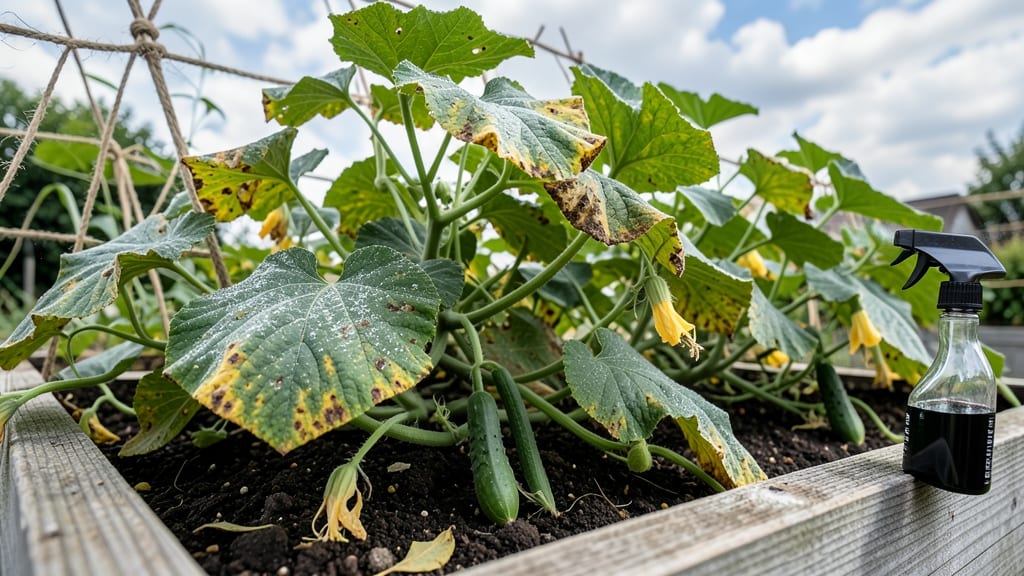
That mysterious white dust on your cucumber leaves isn’t just powder—it’s likely fungus, and here’s how to stop it.
That’s powdery mildew—the sneaky fungus that steals sunlight and stunts your harvest. 🌿 I’ve battled this exact problem in my greenhouse, where cucumbers grow fast but fungus grows faster in humid air. The good news?
A simple organic spray can bring them back to vibrant green in just a week. This isn’t about throwing chemicals at the problem—it’s about understanding the fungus’s weaknesses. Powdery mildew thrives on crowded plants and poor airflow, so spacing vines and pruning leaves creates a hostile environment.
My go-to spray mix uses baking soda, dish soap, and water, but I’ll also show you when to switch to neem oil for stubborn cases. You’ll spot the difference within 3-5 days: new growth stays crisp, yellowing stops, and those white patches fade.
The key is acting fast—once it spreads to stems, recovery gets harder. I’ll walk you through exactly what to look for and when to toss affected leaves (yes, it’s painful, but necessary). Works for greenhouse, patio, or backyard cucumbers—just adjust the spray frequency based on humidity.
Let’s save your crop before the fungus wins.
Root Causes of Leaf Fungus
Fungal infections on cucumber leaves aren’t random—they’re the result of specific conditions that create the perfect storm for spores to thrive. Understanding these triggers is key to preventing outbreaks and keeping your plants lush and disease-free.
Below, we break down the real culprits behind fungus on cucumber leaves, backed by science and actionable insights.
Fungi love moisture, and cucumbers—with their broad, dense leaves—are like a fungal buffet when humidity spikes. Here’s why:
- Spores Need Water to Spread: Most leaf fungi (like powdery mildew or downy mildew) rely on free water on leaf surfaces to germinate and infect.
Humidity above 75–80% for prolonged periods creates a damp, sticky environment where spores can land, cling, and germinate within 6–24 hours. - Stagnant Air Traps Moisture: Cucumbers with poor airflow (e.g., overcrowded plants or shaded spots) trap humid air near leaves.
This microclimate keeps humidity high even after rain, giving fungi a 24/7 party to spread. - Condensation on Leaves: Early mornings or greenhouses with temperature swings cause condensation—a fungal goldmine. Droplets linger on leaves, acting like tiny watering cans for spores.
💡 Pro Tip: Aim for 60–70% humidity during the day and never let leaves stay wet overnight. Use a hygrometer to monitor levels and space plants 12–18 inches apart for airflow.
Watering cucumbers from above is like handing fungi a free pass to infect your plants. Here’s the science:
- Splashing Spreads Spores: When you water overhead, splashing water picks up fungal spores from soil, mulch, or infected leaves and sling-shots them onto healthy foliage.
This is how downy mildew (a common cucumber nemesis) jumps from plant to plant. - Prolonged Leaf Wetness: Leaves need less than 4–6 hours of dry time after watering to avoid fungal infection.
If they stay wet longer, spores germinate and penetrate the leaf surface within 12–48 hours. - Soil-Borne Fungi Hitchhike: Fungi like Phytophthora (which causes root rot and leaf spots) thrive in waterlogged soil. Overhead watering saturates leaves, creating a bridge for these pathogens to move upward.
🌱 Action Step: Switch to drip irrigation or soaker hoses to deliver water at the base, not the leaves. Water early in the day (before 10 AM) so leaves dry quickly.
A cucumber plant that’s stressed or malnourished is like an open invitation for fungi. Here’s how imbalances play a role:
- Excess Nitrogen = Soft, Susceptible Leaves: Too much nitrogen (common in synthetic fertilizers) leads to rapid, weak growth with thin cell walls—easy targets for fungal penetration.
Fungi like powdery mildew thrive on this sugar-rich, soft tissue. - Deficiencies Invite Stress: Low potassium (K) or calcium (Ca) weaken the plant’s cuticle (its natural protective layer), making it easier for fungi to break through. Magnesium (Mg) deficiency (seen as yellowing between leaf veins) also reduces resistance. - Over-Fertilization Burns Roots: Too many salts from fertilizers disrupt root function, reducing the plant’s ability to absorb water and nutrients—stress that fungi exploit.
📊 Nutrition Fix: Use a balanced organic fertilizer (like 5-5-5 or compost tea) and foliar spray calcium (e.g., crushed eggshells or calcium nitrate) to strengthen leaves. Avoid high-nitrogen fertilizers in humid conditions.
Fungal spores are persistent survivors. They can lie dormant in soil, mulch, or plant debris for years, waiting for the right conditions to strike. Here’s how old material fuels outbreaks:
- Infected Leaves = Spore Factories: Fallen or torn leaves with fungal spots release spores back into the air. Even mummified cucumbers (dried-up fruit) can harbor Colletotrichum (a fungus causing anthracnose). - Contaminated Mulch or Soil: Old mulch, compost, or garden soil may contain latent fungal spores.
If you reuse it without sterilizing, you’re reintroducing the problem. - Tool & Surface Spread: Pruners, gloves, or greenhouse benches can carry spores from plant to plant. A single contaminated tool can infect an entire crop.
✨ Prevention Hack: Remove all plant debris (leaves, fruit, weeds) from the garden. Sterilize tools with 70% rubbing alcohol or a 10% bleach solution. Replace mulch annually or bake it in the sun for 2 weeks to kill spores.
Fungi are opportunistic—they wait for the perfect weather window to strike. Cucumbers are especially vulnerable during:
- Cool, Wet Springs/Falls: Temperatures between 60–75°F (15–24°C) with high humidity are ideal for downy mildew and powdery mildew.
These fungi slow down in extreme heat or cold but explode in these "Goldilocks" conditions. - Frequent Rain or Dew: Back-to-back rainy days (especially with light winds) create a spore shower, while heavy dew at night keeps leaves damp for hours. - Sudden Temperature Swings: Greenhouses or plastic tunnels can trap heat during the day and drop rapidly at night, causing condensation—a fungal magnet.
🌡️ Climate Control Tip: Use shade cloth (30–50%) in peak summer to reduce heat stress, and ventilate greenhouses to prevent humidity buildup. Avoid planting cucumbers in low-lying areas where cold air (and fungi) collect.
Quick Fixes for Leaf Fungus
Fungus on cucumber leaves can feel like a nightmare, but with the right approach, you can save your plants and even prevent future outbreaks. The key is acting fast and addressing the root cause—whether it’s excess moisture, poor airflow, or weak plant health.
Below, we’ve broken down practical, organic solutions tailored to the most common causes of fungal infections in cucumbers.
If your cucumber plants are drowning in soggy soil, fungi like downy mildew or powdery mildew will thrive. Here’s how to dry things out and keep roots happy:
- 🔥 Adjust Your Watering Routine
- Water deeply but infrequently—aim for 1–1.5 inches per week (including rain).
- Use a soaker hose or drip irrigation to deliver water at the base, avoiding wet leaves.
- Morning watering is best—leaves dry faster in sunlight, reducing humidity.
- 🌱 Improve Soil Drainage
- Mix compost or perlite into heavy clay soil to improve aeration.
- Avoid planting cucumbers in low-lying areas where water pools.
- 💡 Pro Tip: If your soil stays wet for days, consider raising beds or planting in containers with drainage holes.
Fungi love stagnant, humid air. If your cucumbers are crowded, powdery mildew and alternaria leaf spot will spread like wildfire.
- 🍳 Prune & Thin Plants
- Remove yellow or diseased leaves immediately (don’t compost them—trash them!).
- Space plants 18–24 inches apart for better airflow.
- 👨🍳 Use Trellises or Cages
- Train vining cucumbers to grow upward instead of sprawling on the ground.
- A simple wire trellis keeps leaves off damp soil and improves circulation.
- ✨ Fan Trick for Greenhouses
- Run a small fan on low for a few hours daily to reduce humidity.
Once fungus takes hold, you’ll need a natural fungicide to stop the spread. Here are the most effective DIY and store-bought options:
| Fungus Type | Best Organic Treatment | How to Apply |
|---|---|---|
| Powdery Mildew | Baking Soda Spray (1 tbsp baking soda + 1 tsp soap + 1 gallon water) | Spray every 7–10 days on both sides of leaves. |
| Downy Mildew | Neem Oil Spray (1 tbsp neem oil + 1 tsp soap + 1 quart water) | Apply at dusk to avoid burning leaves. |
| Alternaria/Anthracnose | Copper Fungicide (organic, OMRI-listed) | Follow label instructions; reapply after rain. |
| General Fungal Blight | Milk Spray (1 part milk + 9 parts water) | Spray weekly for prevention. |
- 🔪 Safety First:
- Always test sprays on a small leaf first to check for sensitivity.
- Avoid spraying directly in sunlight (can cause leaf burn).
An ounce of prevention is worth a pound of cure! Follow these long-term strategies to keep your cucumbers fungus-free:
- 💡 Rotate Crops – Don’t plant cucumbers (or other cucurbits like squash) in the same spot two years in a row.
- 🎯 Choose Resistant Varieties – Look for ‘Lemon Cucumber’ or ‘Straight Eight’ (some breeds are naturally more resistant).
- 🍄 Mulch Smartly – Use straw or grass clippings (not wet hay) to keep soil moist but not soggy.
- 🌿 Strengthen Plants – Feed with compost tea or fish emulsion to boost immunity.
Final Thought: Fungus on cucumber leaves is manageable—just act fast, improve growing conditions, and stay consistent with organic treatments. With these fixes, your plants will bounce back stronger (and tastier!) than ever. 🚀
Frequently asked questions
What does fungus on cucumber leaves actually look like?
Fungal infections on cucumbers typically appear as white powdery patches (powdery mildew), yellow spots with gray fuzz on undersides (downy mildew), or dark brown/black circular marks (alternaria or anthracnose). Check both leaf surfaces—some fungi hide on the undersides until it's too late!
Can I still harvest cucumbers if the leaves have fungus?
Yes, but focus on young, healthy fruit—fungus rarely spreads to cucumbers themselves. Remove and discard heavily infected leaves (don't compost them!) to prevent further spread. The plant will redirect energy to producing fruit, but prune aggressively to improve airflow.
How often should I apply organic fungicide sprays?
For prevention, spray every 7-10 days (especially after rain). If you're treating an active infection, apply every 3-5 days until new growth appears clean. Always spray at dusk to avoid leaf burn from sunlight.
Will vinegar or hydrogen peroxide kill cucumber fungus?
Neither is effective alone—vinegar can burn leaves at needed strengths, and hydrogen peroxide breaks down too quickly. Instead, use a 1% hydrogen peroxide solution (3% food-grade diluted 1:3) mixed with water and a drop of soap—this kills spores on contact without harming plants.
Can I save my cucumber plants if the stems are infected?
Stem infections (like Phytophthora) are often fatal—remove the entire plant immediately to prevent soil contamination. For leaf-only infections, you have a 50% chance of saving the plant if you act within 7 days with proper pruning and fungicides.