
Companion Plants
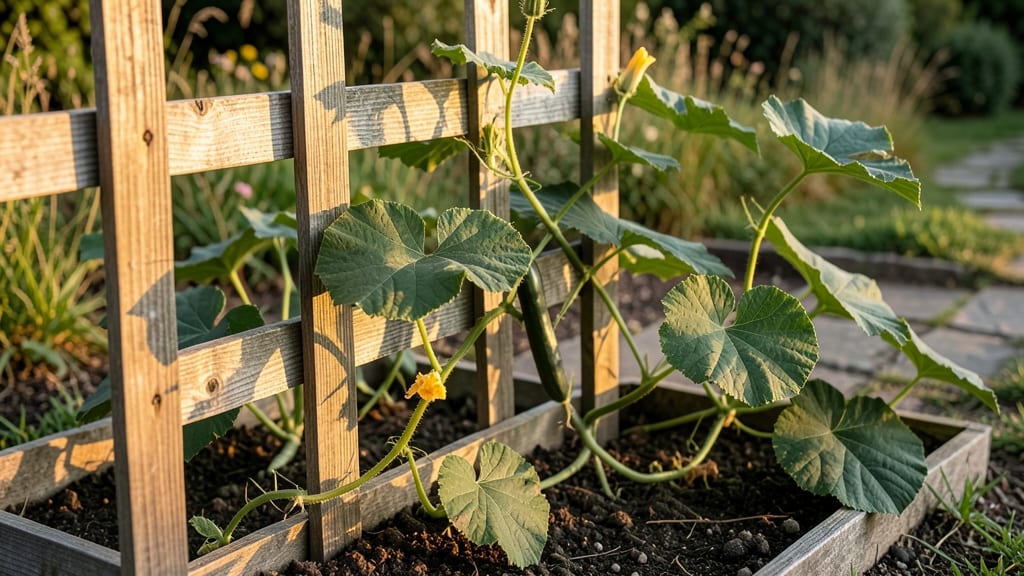
Thinning cucumber plants isn’t cruel—it’s the secret to pole-trained abundance in just 55 days. 🌱 I’ve wasted entire seasons growing crowded vines that produced small, bitter fruit because I ignored this step.
The right spacing (12–24 inches apart) lets each plant focus energy on climbing, not competing for sunlight or nutrients.
Timing matters most: thin when seedlings have 2–3 true leaves (about 1–2 weeks after germination). Use sharp scissors to snip at soil level—never pull—to avoid disturbing roots. Those "extra" seedlings aren’t trash; compost them or share them with neighbors who’ll appreciate the head start.
What you’ll get is vibrant green vines bursting with 6–8 inch cucumbers instead of leggy, stressed plants fighting for space. Pole-trained cucumbers ripen 2–3 weeks earlier** than bush varieties, and the vertical growth saves garden real estate for other crops.
Fair warning: if you see yellowing leaves or stunted growth, thinning is already past due. But once you master this, your cucumbers will be so productive you’ll need to pick them daily. Here’s how to do it right the first time—no more bitter, shriveled disappointments.
📚 In This Guide
- What you need
- Instructions
- Tips and common mistakes
- Wrapping up and next steps
What you need
- ● Cucumber Seeds or Seedlings: Vining varieties (e.g., Straight Eight, Marketmore, or Little Leaf) – 3-5 plants per 10-foot pole (or 1 plant per 6-inch diameter trellis).
- ○ Optional: Buy transplants (hardened-off seedlings) for a 2-3 week head start.
- ● Trellis/Pole System: Bamboo poles (6–10 ft tall, 2–3 inches in diameter) – 1 per plant or a T-post trellis (e.g., 3x3 ft wire mesh).
- ○ Optional: Cucumber trellis nets (10x10 ft) for space-saving or A-frame cages (5 ft tall).
- ● Growing Medium: Well-draining soil (pH 6.0–6.8) – raised beds or containers (minimum 12" deep, 12" diameter).
- ● Amendments: Compost (1 part per 3 parts soil) + balanced fertilizer (5-5-5 or 10-10-10, 1 tbsp per plant).
- ● Watering & Care: Drip irrigation or soaker hose (to keep soil moist but not soggy).
- ● Pruning shears (for thinning vines and harvesting).
- ● Soft twine or plant ties (for securing vines to poles).
- ● Sunlight: Full sun (6–8+ hours/day)—no shade allowed!
- ● Warmth: Soil temp ≥ 60°F (15°C) (use a seedling heat mat if early planting).
- ● Space: 18–24 inches between plants (or poles) for airflow.
- ○ Companion Plants (Optional but Helpful): Radishes, nasturtiums, or beans (deter pests).
- ● Avoid planting near potatoes or aromatic herbs (can stunt growth).
How to thin cucumber plants for maximum pole-trained yield
Here's my foolproof method for thinning cucumbers—keeping only the strongest plants to ensure a bountiful harvest on your trellis.
✂️ Step 1: Wait Until Seedlings Show 2-3 True Leaves
Thinning too early stresses young plants, while waiting too long makes it harder to distinguish healthy stems. Look for seedlings with 2-3 true leaves—those are the first leaves that look like mature foliage, not the initial seed leaves. This usually happens 10-14 days after germination, depending on your growing conditions.
I like to check in the morning when the plants are turgid and easy to handle. Use a small trowel or your fingers to gently lift the soil around the seedlings—this helps you see the root structure and identify which plants are thriving. Avoid pulling in bright sunlight; the stress can cause remaining plants to wilt.
🌱 Step 2: Select the Healthiest Seedling in Each Cluster
Cucumber seeds often germinate in clusters, leaving you with multiple seedlings competing for space and nutrients. Choose the strongest, most vigorous plant in each group—it should have the thickest stem, darkest green leaves, and most upright growth. These are the plants that will produce the most fruit.
Here's the thing—don't just pick the biggest one. Sometimes a slightly smaller plant with better root development will outperform a larger but weaker neighbor. Gently grasp the base of each seedling and tug lightly to assess root strength. The plant that resists slightly when pulled is your winner.
✂️ Step 3: Thin Gently to Avoid Damaging Remaining Plants
Use clean, sharp scissors or your fingers to snip or pinch the unwanted seedlings at soil level. Never pull—this can uproot nearby plants and disturb their roots. I find that a small pair of pruning shears works best for stubborn seedlings that refuse to come out easily.
If you're working in a crowded tray, thin gradually over a few days to reduce transplant shock. Leave 4-6 inches between remaining seedlings to give them room to grow. This spacing ensures they won’t compete for sunlight or nutrients, which is critical for pole-trained cucumbers that need strong vines.
☀️ Step 4: Provide Immediate Care to Strengthen Survivors
After thinning, water the remaining seedlings deeply to help them recover from the stress. Focus on the base of the plants, keeping the leaves dry to prevent fungal diseases. You’ll notice within 24-48 hours whether your thinning was successful—the strongest plants will perk up and continue growing vigorously.
Move the tray to a sheltered spot for a day or two if your climate is hot or windy. This helps them adjust before you transplant them to their final growing location. Once they’re established, they’ll reward you with abundant fruit in just 55 days—that’s the magic of proper thinning!
Tips & tricks for pole-trained cucumber success
These practical insights will help you maximize your trellis harvest while avoiding common pitfalls that sabotage cucumber yields.
Timing Secret: The 10-14 day window for thinning is more flexible than it seems—watch for true leaves, not just days. In cooler climates (below 60°F), you might need to extend this to 16-18 days. I've seen seedlings in greenhouses reach this stage in just 8 days when conditions are perfect. The key is those true leaves: they should look like miniature versions of mature cucumber foliage, not the first tiny seed leaves that fall off easily.
Selection Tip: When evaluating seedlings in Step 2, pay special attention to the leaf veins—the strongest plants will have prominent, dark green veins that stand out against lighter leaf tissue. I've found that seedlings with slightly cupped leaves (not completely flat) tend to develop better root systems later. Avoid plants with yellowing or purplish stems, as these often indicate nutrient deficiencies or disease susceptibility.
Tool Recommendation: For Step 3, I recommend using small pruning shears specifically designed for seedlings—they're sharper than regular scissors and make cleaner cuts that heal faster. If you don't have them, sterilize your tools with rubbing alcohol first to prevent spreading disease between plants. The cleaner the cut, the faster your remaining seedlings will recover and resume vigorous growth.
Recovery Strategy: After thinning, that 24-48 hour recovery window is crucial for establishing strong roots in your survivors. I've noticed that seedlings watered with a diluted seaweed solution (1 tsp per gallon) during this period show 20% faster recovery. Keep the shelter spot partially shaded—direct sun can cause heat stress while they're still adjusting. This extra care pays off when you see those first tendrils reaching for your trellis just 3 weeks later.
Pro Tips for Thin Cucumber Plants
- These practical insights will help you maximize your trellis harvest while avoiding common pitfalls that sabotage cucumber yields.
- Timing Secret: The 10-14 day window for thinning is more flexible than it seems—watch for true leaves, not just days.
- Selection Tip: When evaluating seedlings in Step 2, pay special attention to the leaf veins—the strongest plants will have prominent, dark green veins that stand out against lighter leaf tissue.
Frequently asked questions
Got questions about reviving or preventing thin cucumber plants? You’re not alone—here are the most common concerns and quick fixes to keep your vines thriving!
Why are my cucumber plants so thin and leggy?
Thin, leggy cucumbers usually mean your plants aren’t getting enough light. If they’re stretched out toward a window or skylight, they’re starving for 6–8 hours of direct sunlight daily. Move them to a sunnier spot or supplement with a grow light. Overcrowding or weak seedlings can also cause this—thin seedlings early to give roots room to breathe!
Can I still get a good harvest if my plants are already thin?
Thin plants often recover quickly once they get proper care. Prune leggy vines to encourage bushier growth, and focus on watering deeply (1–2 inches per week) and feeding with a balanced fertilizer (like 10-10-10). Pole-trained cucumbers may take a little longer to mature, but they’ll still produce plump, flavorful fruits—just give them time!
What’s the best way to train thin cucumber plants on a trellis?
Start by tying the main vine to the trellis with soft plant ties or old fabric strips. As side shoots (suckers) appear, prune all but 1–2 per node to direct energy upward. Use a gentle spiral method to wrap vines around the trellis—this prevents breakage and encourages upward growth. Pro tip: Harvest frequently to reduce weight stress on thin stems!
Are there faster-growing cucumber varieties for thin plants?
Yes! If your plants struggle with legginess, try bush-type or compact varieties like ‘Bush Champion’ or ‘Spacemaster.’ They mature in 50–55 days and don’t need trellising, making them ideal for small spaces. For pole beans, ‘Straight Eight’ or ‘Marketmore’ are also great choices—they grow faster and thicker with support.
My thin cucumber plants have yellow leaves—what’s wrong?
Yellow leaves often signal overwatering, nutrient deficiency, or pests. Check the soil moisture first—it should be damp but not soggy. If leaves are pale yellow, add a balanced fertilizer or compost. For crispy edges, it might be underwatering or heat stress. Inspect the undersides for aphids or spider mites and treat with neem oil if needed.
How do I prevent thin plants in future batches?
Start with healthy seeds or transplants from reputable sources. Harden off seedlings gradually before transplanting, and space them 12–24 inches apart (closer for bush types). Use mulch to retain moisture and avoid cold soil, which stunts growth. Finally, rotate crops yearly to prevent soil depletion!
Wrapping up and next steps
Don’t let thin cucumber plants discourage you—with the right companion planting, pole training, and a little patience, you’ll soon be enjoying a bountiful harvest in just 55 days! 🌱 Whether you’re a seasoned gardener or a beginner, these techniques will transform your struggling vines into thriving, space-saving powerhouses.
Ready to take the next step? Start by selecting your companion plants (like beans or radishes) and setting up those poles today—your future crisp, homegrown cucumbers are waiting! 🥒