
Companion Plants
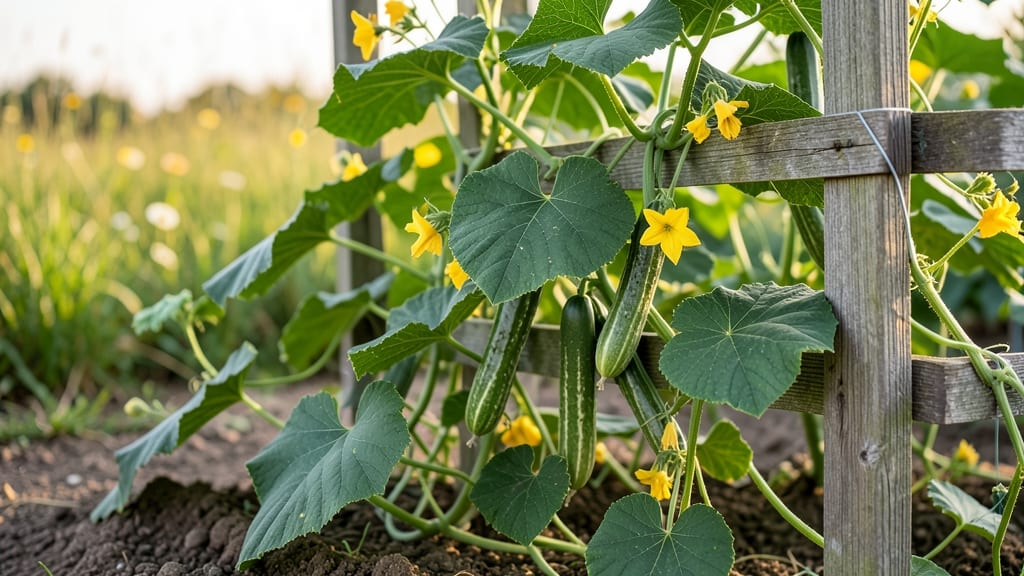
These sweet success cucumber plants race up poles like they’re chasing the sun—just 55 days from seed to harvest, and every bite tastes like summer. 🌱 I’ve grown a dozen varieties, but this one’s my favorite: disease-resistant, prolific, and perfect for small spaces where sprawling vines would take over.
The secret isn’t just the variety—it’s how you train, water, and protect them from day one.
You’ll need a sturdy trellis (6 feet tall, at least), well-draining soil rich in compost, and a sunny spot with 6+ hours of direct light daily. Start seeds indoors 3-4 weeks before your last frost, or plant directly after soil warms to 60°F.
The key? Trellising early—vines grow fast, but weak stems snap under their own weight. Prune suckers regularly to focus energy on fruit production, not foliage.
Here’s the payoff: 10-15 cucumbers per plant by mid-summer, all straight, dark green, and bursting with sweetness. The pole system saves space, reduces disease (better airflow!), and makes harvesting a breeze—no more bending over or squishing fruits in the dirt. Even my black thumb gets reliable results with this method.
Works in containers (5-gallon pots with trellises) or ground beds, and thrives in zones 3-11. The only real mistake? Waiting too long to train the vines. Start guiding them upward within 2 weeks of transplanting, or you’ll regret it when the plants sprawl. Ready to grow your own vineyard?
📚 In This Guide
- What you need
- Instructions
- Tips and common mistakes
- Wrapping up and next steps
What you need
- ● Cucumber Seeds: 10–15 seeds (choose pole varieties like ‘Sweet Success’, ‘Straight Eight’, or ‘Marketmore’ for climbing).
- ● Growing Containers or Raised Beds: 5-gallon pots (3–4 plants per container) or
- ● Raised beds (10–12" deep, 12" apart for spacing).
- ● Pole Trellis: 6–8 ft tall (bamboo stakes, metal cages, or A-frame trellises work best).
- ● Potting Mix: 10–15 lbs of well-draining, organic mix (e.g., 60% compost, 30% coco coir, 10% perlite).
- ● Fertilizer: Balanced organic fertilizer (5-5-5 or 10-10-10, 1 lb per 10 sq ft).
- ○ Composted manure (optional, 2–3 cups per plant at planting).
- ● Watering Can or Drip Irrigation: 1–2 gallons capacity (cucumbers love consistent moisture).
- ● Pruning Shears: Sharp, clean pair for trimming vines.
- ● Mulch: Straw or shredded leaves (2–3 inches thick to retain moisture).
- ● Companion Plants: Bush beans, radishes, or marigolds to deter pests.
- ● Shade Cloth: 30–50% for seedlings if temperatures exceed 85°F.
- ● Plant Support Ties: Soft twine or Velcro strips to secure vines to trellis.
- ● pH Test Kit: To ensure soil pH is 6.0–6.8 (ideal for cucumbers).
- ● Row Covers: Lightweight fabric to protect from early pests or late frosts.
Step-by-Step instructions for pole-climbing cucumber plants
Here's how to coax those fast-growing vines into a lush, productive trellis system.
🌱 Step 1: Select and Prepare the Trellis Structure
Choose a sturdy trellis at least 6 feet tall—cucumbers grow aggressively, and a flimsy frame will collapse under the weight. I prefer 5/8-inch diameter wooden dowels arranged in a diamond pattern for maximum support. Space the vertical posts 4 feet apart and secure them with staples or zip ties to prevent swaying in wind.
Position your trellis in full sun (at least 8 hours daily) with morning sunlight exposure. Cucumbers produce best when leaves aren't scorched by afternoon heat. If you're using a DIY structure, pre-drill holes for easy assembly—nothing frustrates more than struggling with tools while plants wait.
🌱 Step 2: Plant Seeds or Transplants at the Base
Sow 2-3 seeds per plant (or set out transplants) 1 inch deep, spacing them 12 inches apart at the base of the trellis. The extra seeds act as insurance—if one fails, you still have backup plants. I always plant a few extra seeds just in case, then thin to the strongest seedlings after they develop true leaves.
Use well-draining potting mix (never garden soil) in containers, or amend your in-ground bed with compost to improve drainage. Cucumbers hate soggy roots, so raised beds or containers with drainage holes work best. Water immediately after planting to settle the soil around the roots.
☀️ Step 3: Train Vines to Climb Early and Often
As soon as vines reach 6 inches tall, gently tie them to the trellis with soft plant ties or old fabric strips. Avoid wire or plastic ties—they cut into stems as vines thicken. I check my plants every 3-4 days and adjust ties as growth accelerates. The goal is to keep vines upright and spaced 6-8 inches apart on the trellis.
Here's the thing—if you wait until vines are heavy with fruit to start training, you'll struggle to manage the weight. Early support prevents broken stems and makes harvesting easier. Prune any side shoots that form below the first 6 inches of the main vine to focus energy upward.
💧 Step 4: Water and Fertilize for Maximum Yield
Cucumbers need 1-2 inches of water weekly, delivered at the base of the plant (never overhead). I water early in the morning to reduce disease risk from prolonged leaf wetness. Let the top inch of soil dry out between waterings—consistent moisture prevents bitter fruit and blossom-end rot.
Feed plants with a balanced liquid fertilizer (10-10-10) every 2-3 weeks once flowers appear. The key is consistency—don't overdo it, but don't skimp either. You'll see new leaves and flowers within a week of fertilizing, signaling the plant is thriving.
✂️ Step 5: Harvest and Prune for Continuous Production
Pick cucumbers when they're 6-8 inches long for the sweetest flavor. Use clean pruners to avoid damaging vines, and harvest every 2-3 days during peak production. Regular harvesting encourages more fruit to develop—neglected plants put all their energy into one giant cucumber and quit producing.
Prune yellow or diseased leaves immediately to prevent spread. Also, trim any vines that grow beyond the trellis—these won't produce fruit and waste plant energy. With proper care, a single trellis can yield 20-30 cucumbers over the growing season.
Tips & tricks for pole-climbing cucumber plants
Real talk: The difference between a thriving vertical garden and a tangled mess comes down to these small but critical details.
Trellis Stability: In Step 1, when building your trellis, I can't stress enough how important it is to secure those vertical posts properly. I've seen cucumber vines snap trellises that looked sturdy at first glance. Use 4 feet spacing between posts as specified, and add an extra zip tie at the base for wind resistance. The goal is zero movement—even slight swaying stresses the stems over time.
Seedling Strategy: Here's what nobody tells you about Step 2: Those extra seeds you plant aren't just for insurance—they help you identify the strongest plants. After true leaves appear, remove the weaker seedlings completely (don't just pull them—they'll regrow). The remaining plants will have more room to develop robust root systems, which translates to faster climbing and bigger yields later.
Climbing Maintenance: The 3-4 day check-ins in Step 3 are non-negotiable. I've learned this the hard way after watching vines spiral out of control between inspections. Keep your soft ties loose enough to allow growth—you should be able to slide a finger between the tie and stem. When vines reach the top of your 6-foot trellis, trim the tips to encourage bushier growth and more fruit production.
Watering Wisdom: That 1-2 inches weekly guideline in Step 4 is perfect, but timing matters just as much. I've noticed my plants handle morning watering best because it gives leaves time to dry before evening. The top inch drying rule is crucial—it prevents both blossom-end rot and powdery mildew. Consider using a drip irrigation system if you struggle with consistency; it delivers water right at the roots without wetting the foliage.
Pro Tips for Sweet Success Cucumber Plants
- Real talk: The difference between a thriving vertical garden and a tangled mess comes down to these small but critical details.
- Trellis Stability: In Step 1, when building your trellis, I can't stress enough how important it is to secure those vertical posts properly.
- Seedling Strategy: Here's what nobody tells you about Step 2: Those extra seeds you plant aren't just for insurance—they help you identify the strongest plants.
Frequently asked questions
Got questions about growing pole-climbing cucumbers for a sweet success harvest in just 55 days? You’re not alone! Here are answers to the most common queries—from timing tricks to troubleshooting tips—to help you crush your garden goals.
How soon can I expect cucumbers after planting?
With the right variety (like pole cucumbers), you can harvest sweet success as early as 55–65 days from planting! Start seeds indoors 3–4 weeks before the last frost, then transplant seedlings after soil warms to 60°F+. Pole cucumbers mature faster than bush types, so timing is key—aim for a late spring or early summer planting for peak flavor.
Can I grow cucumbers in containers or small spaces?
Pole cucumbers are perfect for containers—just use a 5-gallon pot or larger with drainage holes. Train vines up a trellis or stake to save space. For small gardens, interplant with bush beans or radishes to maximize yield. Just ensure they get 6+ hours of sun and consistent watering.
What’s the best way to prevent pests like cucumber beetles?
Cucumber beetles are sneaky pests, but you can outsmart them! Use row covers early in the season, plant marigolds or nasturtiums nearby (they repel beetles!), and handpick adults off plants. For organic control, spray with neem oil or introduce ladybugs. Rotate crops yearly to break pest cycles.
How often should I water pole cucumbers?
Consistent moisture is critical—aim for 1–2 inches of water per week, especially during flowering and fruiting. Water deeply at the base (avoid wetting leaves to prevent disease) and mulch to retain soil moisture. Pole cucumbers wilt quickly when thirsty, so check soil daily during dry spells. Drip irrigation works best to keep vines happy.
What’s the best companion plant for pole cucumbers?
Pair pole cucumbers with companion plants like beans, peas, or dill to boost growth and deter pests. Avoid planting near potatoes, aromatics (like sage), or melons, as they compete for nutrients. Marigolds and nasturtiums are top picks—they repel beetles and attract pollinators for better yields!
Why are my cucumbers bitter or small?
Bitter or stunted cucumbers often mean overripe harvests or stress. Pick fruits frequently (every 2–3 days) to encourage more production. Bitter flavors can also stem from heat stress—provide afternoon shade in hot climates. Check for underwatering or nutrient deficiencies (yellow leaves = nitrogen needs).
Wrapping up and next steps
Growing pole-climbing cucumbers in just 55 days is a rewarding journey—one that blends patience, a little creativity, and the joy of harvesting fresh, crisp veggies straight from your garden! 🌱 With the right companion plants, trellising setup, and care, you’ll turn your backyard into a thriving, space-efficient bounty.
Whether you’re a seasoned gardener or a curious beginner, the key is to start small, stay consistent, and celebrate every leaf and vine as they climb toward success.
Now that you’re armed with tips and tricks, it’s time to roll up your sleeves! Pick a sunny spot, gather your supplies, and let your cucumber plants work their magic. Happy planting—and may your harvest be plentiful! 🌿✨