
Vegetables
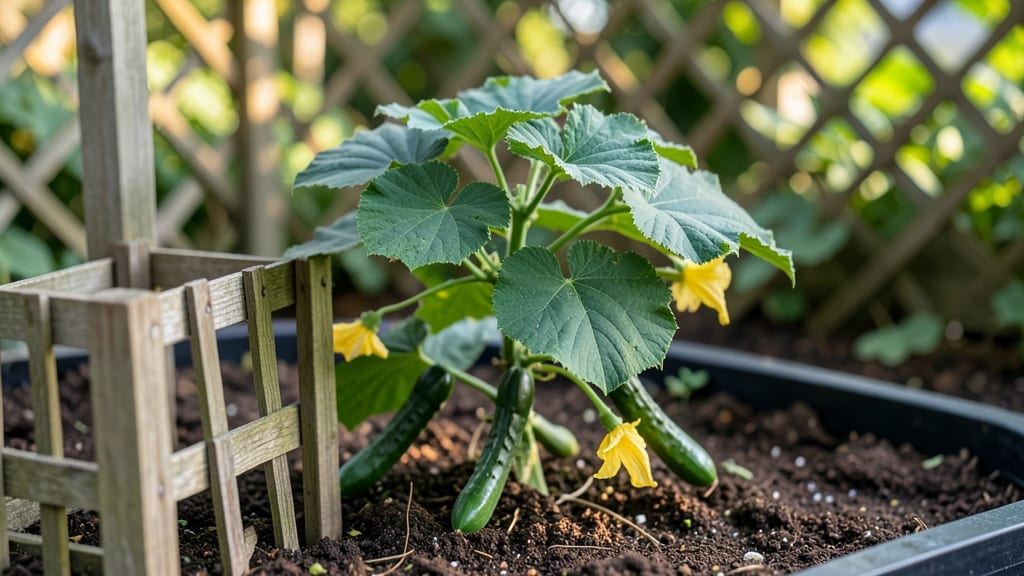
Growing space saver cucumbers changed how I garden in my tiny backyard—no more sprawling vines taking over the yard. 🌱 These compact varieties pack the same flavor into a fraction of the space, and with the right trellis, you’ll harvest more cucumbers than you ever thought possible in a small plot.
The secret lies in choosing bush varieties like ‘Bush Champion’ or ‘Spacemaster’ and training them vertically. You’ll need a sturdy trellis (4-5 feet tall), well-draining soil, and consistent watering—no fancy equipment, just smart setup.
My first attempt used a simple wire cage, and I ended up with 20 pounds of cucumbers in just 8 weeks. You’ll enjoy crisp, sweet cucumbers all summer long, with less work and no tangled vines. The best part?
These plants thrive in containers too, making them perfect for balconies or patios. No more sacrificing space for a good harvest. Here’s how to avoid common mistakes: overwatering (keep soil moist but not soggy) and skipping pruning (remove yellow leaves to boost fruit production).
With these tips, your compact cucumbers will outperform traditional varieties every time.
📚 In This Guide
- What you need
- Instructions
- Tips and common mistakes
- Wrapping up and next steps
What you need
- ● Space-Saver Cucumber Seeds or Seedlings: Choose compact varieties like ‘Bush Champion,’ ‘Spacemaster,’ or ‘Diva.’ (3–5 plants per container or trellis system.)
- ● Container or Raised Bed: Minimum 5-gallon container (12" deep) for 1 plant.
- ● Larger 10–15-gallon container (18" deep) for 2–3 plants.
- ○ Self-watering pots (optional but ideal for consistency).
- ● Potting Mix: Lightweight, well-draining mix with compost (avoid garden soil—it compacts!).
- ● Trellis or Support System: Vertical trellis net (4’x4’ or larger, mesh size 1"–2").
- ● PVC pipes or stakes (2–3 per container, 5–6’ tall).
- ● Twine or plant ties (for securing vines).
- ● Gloves (to protect your hands from thorns and soil).
- ● Pruners or scissors (for trimming vines and harvesting).
- ● Watering can or hose with gentle spray nozzle (cucumbers hate soggy roots!).
- ● Fertilizer: Balanced 10-10-10 or compost tea (feed every 2–3 weeks).
- ○ Mulch (optional): Straw or shredded leaves to retain moisture.
How to grow compact cucumbers using space-saving trellis techniques
Here's how I transform even the smallest balcony into a productive cucumber patch—no sprawling vines required.
☀️ Step 1: Select the Right Compact Cucumber Varieties
Not all cucumbers play nice on trellises. For space-saving success, choose parthenocarpic varieties like 'Bush Champion' or 'Spacemaster'—they produce fruit without pollination and stay compact. These varieties grow 4-6 feet tall when trellised, compared to 10+ feet for standard types. I always check seed packets for "bush" or "compact" labels before buying.
Sow seeds ½ inch deep in well-draining potting mix (never garden soil—it compacts in containers). Plant 1 seed per container—crowding leads to weak stems that can't support fruit. Use 5-gallon pots for each plant to accommodate root growth while keeping the trellis lightweight. Water gently after planting to settle the soil around seeds.
🪴 Step 2: Install a Lightweight, Sturdy Trellis System
For 4 plants, I use a 4-foot tall A-frame trellis made from 1-inch PVC pipes and plastic netting (available at garden centers). The PVC creates a rigid frame, while the netting provides 360-degree support for vines. Assemble the frame first—drive 2-foot stakes into the ground at a 45-degree angle, then attach horizontal pipes between them to form a diamond shape.
Stretch plastic netting vertically between the pipes, leaving 6-inch gaps between strands. This spacing prevents vines from slipping through as they grow. For balconies, I attach the trellis to wall-mounted brackets instead of stakes. The key is stability—if it wobbles, the cucumbers will snap under fruit weight. Test the structure before planting by gently pulling on it.
🌱 Step 3: Train Vines and Prune for Maximum Yield
Once seedlings develop 2-3 true leaves (about 3-4 weeks after sowing), gently guide the main vine onto the trellis. Use soft plant ties (never wire) to secure the stem at the base—tight enough to hold, loose enough not to strangle. Let the vine climb naturally; don't force it or you'll break tender stems.
Prune aggressively to focus energy on fruit production. Remove all side shoots (suckers) that grow from the main stem—these drain energy that could go to cucumbers. Leave only the top 2-3 leaves on each branch once fruit sets. You'll see faster growth and larger cucumbers within weeks. Water at the base every 2-3 days when soil feels dry 1 inch below the surface—consistent moisture prevents bitter fruit.
✂️ Step 4: Harvest and Maintain for Continuous Production
Harvest cucumbers when they reach 6-8 inches long—any longer and they turn seedy and bitter. Use pruning shears to cut the fruit from the vine (don't twist) to avoid damaging the plant. I harvest every 2-3 days during peak production to encourage more flowers. Store picked cucumbers in the fridge for up to 5 days—they won't last long once you taste them fresh from the vine.
After the first harvest wave, fertilize with balanced liquid fertilizer (10-10-10) every 2 weeks to sustain production. Watch for powdery mildew on lower leaves—this is common in humid conditions. If you see white fuzzy spots, remove affected leaves immediately and spray with neem oil at dusk. Keep the trellis clean and dry by trimming dead vines regularly. With proper care, one compact trellis can produce 50+ cucumbers per season.
Tips & tricks for perfect compact cucumber trellis growing
These space-saving secrets will help you maximize your balcony harvest without sacrificing quality or yield.
Variety Selection: The parthenocarpic varieties mentioned ('Bush Champion' or 'Spacemaster') are non-negotiable for trellis growing—they self-pollinate and produce fruit consistently without relying on bees. I've tried standard varieties on trellises, and they either flop over under fruit weight or produce poorly. These compact types grow 4-6 feet tall when properly supported, which is perfect for most balcony railings or wall-mounted systems.
Container Wisdom: The 5-gallon pots specified are ideal—they provide enough root space while keeping the trellis system lightweight. If you're using larger containers, make sure they have drainage holes to prevent root rot, which can happen quickly in containers. I've seen people use 7-gallon pots, but the extra space doesn't translate to better yields—it just means more watering. For balcony setups, consider elevated planters with casters so you can move plants to optimal sunlight positions throughout the day.
Trellis Stability: That 45-degree angle for the stakes is critical—it creates a wider base for stability. For wall-mounted systems, use L-brackets rated for at least 50 pounds of weight. I once had a trellis collapse because I used flimsy brackets, and it took out three plants. Test your structure by gently pulling on it before planting—if it wobbles, reinforce it. The 6-inch gaps in the netting are perfect for vine growth; wider gaps might let vines slip through, while narrower gaps can restrict circulation and encourage mildew.
Pruning Strategy: The aggressive pruning in Step 3 might seem extreme, but it's what separates a good harvest from a great one. Those side shoots (suckers) are energy vampires—they'll produce leaves and flowers that never develop into cucumbers. I've seen people leave them, and while they might get a few extra cucumbers, they're usually smaller and the plant produces less overall. After the first harvest wave, you can be slightly less aggressive with pruning, but always remove any shoots that grow from the main stem below the first fruit.
Pro Tips for Space Saver Cucumber
- These space-saving secrets will help you maximize your balcony harvest without sacrificing quality or yield.
- Variety Selection: The parthenocarpic varieties mentioned ('Bush Champion' or 'Spacemaster') are non-negotiable for trellis growing—they self-pollinate and produce fruit consistently without relying on bees.
- Container Wisdom: The 5-gallon pots specified are ideal—they provide enough root space while keeping the trellis system lightweight.
Frequently asked questions
Got questions about growing space-saver cucumbers? You’re not alone! Here are answers to the most common queries to help you crush those compact trellis goals like a pro.
How much space do I really need for space-saver cucumbers?
Space-saver cucumbers thrive in tight spots—just 3–4 feet wide and 4–6 feet tall (with a trellis). If you’re using a vertical trellis or wall-mounted system, you can even squeeze them into 2 feet of ground space! Think balconies, small patios, or even a sunny windowsill.
How long does it take for space-saver cucumbers to produce?
From seed to harvest, expect 50–60 days for most compact varieties (like ‘Bush Champion’ or ‘Spacemaster’). If starting with transplants, you’ll see cucumbers in 40–50 days. Pro tip: Prune early flowers to boost fruit size—patience pays off!
Can I grow space-saver cucumbers in containers?
Use a 5-gallon pot or larger with drainage holes and a sturdy trellis. Dwarf varieties like ‘Minnesota Midget’ are perfect for containers. Just ensure they get 6+ hours of sun daily and feed with compost tea every 2 weeks.
What’s the best way to keep pests away from my trellised cucumbers?
Prevent pests with row covers (for early growth) and neem oil sprays. Watch for cucumber beetles and spider mites—handpick beetles or use yellow sticky traps. Bonus: Interplant with nasturtiums to repel pests naturally!
What if my space-saver cucumbers stop producing?
Overcrowding, lack of water, or heat stress (above 90°F) can halt production. Prune aggressively to improve airflow, water deeply 1–2 inches per week, and provide afternoon shade in extreme heat. Try this: Fertilize with a low-nitrogen, high-potassium mix to revive growth.
Are space-saver cucumbers as tasty as regular ones?
Yes! Compact varieties like ‘Salad Bush’ or ‘Sweet Success’ are bred for flavor and texture. They’re often sweeter and crunchier since they’re harvested earlier. Fun fact: Smaller plants focus energy on fruit quality, not just quantity!
Wrapping up and next steps
Growing space saver cucumbers on a compact trellis isn’t just a clever hack—it’s a game-changer for small gardens, balconies, or even windowsills! 🌱 With the right setup, you’ll enjoy bountiful yields without sacrificing precious space, all while boosting air circulation and reducing pests.
Whether you’re a seasoned gardener or just starting out, this method proves that big harvests don’t need big plots.
Ready to transform your green space? Start by grabbing your trellis, seeds, and a sunny spot—then watch your cucumbers climb to success! 🌟 Next, try experimenting with vertical gardening for other veggies like beans or peas!