
Vegetables
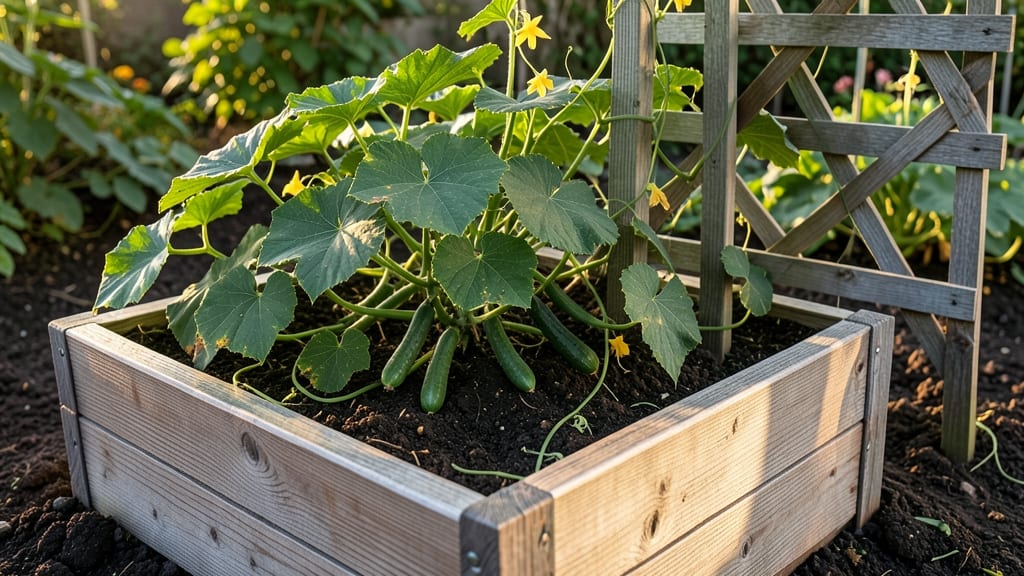
Growing cucumbers in a raised bed turns a small space into a fast-growing harvest machine—45 days from seed to salad. 🌱 I learned the hard way that cucumbers need room to sprawl and climb, or they’ll bolt, rot, or get eaten before you even taste them.
The right setup—soil, trellis, and watering—means you’ll pull crisp, vine-ripened cukes straight from your bed instead of the store. The magic happens in 6-inch deep beds with loose, fertile soil (think compost + aged manure) and a sturdy trellis to keep vines off the ground.
Plant seeds 1 inch deep, 2 feet apart, and watch them race upward—vertical growth saves space and keeps fruits clean. My first attempt used chicken wire; now I swear by 5-foot bamboo stakes for better support.
By mid-summer, you’ll be harvesting 10+ pounds of cukes per plant if you prune regularly and water at the base (not the leaves). The raised bed also keeps pests like squash bugs at bay, so you’ll spend less time spraying and more time eating.
Just avoid overcrowding—one plant per 3 square feet is key. This method works for slicing, pickling, or heirloom varieties, and the trellis frees up ground space for other crops. Ready to turn your raised bed into a cucumber factory? Let’s get growing!
📚 In This Guide
- What you need
- Instructions
- Tips and common mistakes
- Wrapping up and next steps
What you need
- ● Raised bed frame: Wood (cedar or redwood recommended), metal, or composite—minimum 4’ x 8’ x 12” deep (or custom size).
- ● Garden soil: High-quality potting mix or raised-bed blend (avoid garden soil—it compacts!). Quantity: ~1 cubic yard for a 4’ x 8’ bed (12” deep).
- ● Compost: Well-aged, 2–3 cubic feet to enrich soil.
- ● Trellis or support: Option 1: Trellis netting (6’ tall, 4’ wide—1–2 rolls for full coverage).
- ● Option 2: Bamboo stakes or wooden lattice (6–8 stakes, 5–6’ tall).
- ● Cucumber seeds or seedlings: 2–4 plants (choose bush or vining varieties like ‘Straight Eight’ or ‘Marketmore’).
- ● Mulch: Straw or shredded leaves (2–3 bags) to retain moisture.
- ● Garden tools: Trowel or hand shovel
- ● Garden gloves
- ● Watering can or hose with adjustable nozzle
- ● Fertilizer: Balanced 10-10-10 or organic options like compost tea or worm castings.
- ● Drip irrigation kit: Saves time and ensures consistent watering.
- ● Row covers: Lightweight fabric to protect from pests or early frost.
- ● Soil pH test kit: Cucumbers thrive in pH 6.0–6.8; adjust with lime or sulfur if needed.
- ● Pruning shears: For trimming vines and encouraging bushier growth.
- ● Harvest basket: A cute way to collect your cucumbers as they ripen! 🥒
Step-by-Step instructions for building a cucumber raised bed with trellis
Here’s how to build a productive cucumber raised bed that grows fast and yields heavy harvests.
🪴 Step 1: Build or Select a Raised Bed Frame
Use untreated wood or cedar to construct a 4-foot by 8-foot frame that’s 10-12 inches deep. I like cedar because it resists rot and lasts years—just avoid pressure-treated wood near edible plants. Cut four corner posts at 12 inches tall and attach them to the frame with galvanized screws. Line the bottom with landscape fabric to block weeds while allowing drainage.
For a quicker setup, use pre-made raised bed kits or repurpose a sturdy wooden box. Just ensure it’s at least 12 inches deep—shallow beds dry out too fast, and cucumbers need moisture to thrive. Place the bed where it gets 6-8 hours of full sun daily—morning sun with afternoon shade works best in hot climates.
🌱 Step 2: Fill the Bed with the Right Soil Mix
Fill the bed with a mix of 50% high-quality compost, 30% topsoil, and 20% perlite or vermiculite for drainage. I blend my own because store-bought potting soil compacts too much. Fluff the mix with a garden fork to create air pockets—cucumber roots need room to spread quickly. Add a 1-inch layer of compost on top before planting to feed the soil as it warms up.
Test the soil moisture by squeezing a handful—it should hold together but not drip water. Too much moisture causes rot, and too little stresses young plants. If your soil feels dry, add a thin layer of mulch (like straw) to retain moisture without smothering the plants.
☀️ Step 3: Install a Trellis for Fast, Vertical Growth
Set up a 6-foot tall trellis at one end of the bed, using sturdy bamboo stakes or a metal grid. I use a simple A-frame design with two 2x4s crossed at the top and secured with zip ties—it’s cheap, strong, and lets vines climb naturally. Space the trellis 18 inches from the bed’s edge so cucumbers can sprawl slightly before reaching upward.
Train the first vines onto the trellis within 3-5 days of planting by gently weaving them through the supports. This prevents tangled growth later. Watch for vines to curl around the trellis—once they do, they’ll keep climbing on their own. Prune side shoots that grow below the first 12 inches to focus energy upward.
🌿 Step 4: Plant and Water for Rapid Germination
Plant 4-5 cucumber seeds per hill, 1 inch deep, in a small mound of soil. Space hills 2 feet apart to give roots room. Thin to the strongest seedling per hill once they’re 3 inches tall—crowding slows growth and spreads disease. Water deeply right after planting to settle the soil around the seeds.
Keep the soil evenly moist—not soggy, not dry—until germination, which takes 5-10 days in warm soil. You’ll know it’s right when the soil surface looks slightly damp but not glistening. Once seedlings emerge, reduce watering slightly to prevent damping-off, a fungal disease that collapses stems overnight.
✂️ Step 5: Prune and Harvest for Continuous Production
When vines reach the top of the trellis (4-6 weeks after planting), pinch off the growing tips to encourage bushier growth and more fruit. This is the moment that matters—it redirects energy from climbing to producing cucumbers. Harvest fruits when they’re 6-8 inches long for the best flavor and to keep the plant focused on new growth.
Pick cucumbers every 2-3 days during peak season to prevent overcrowding on the vine. A full vine with too many cucumbers will slow production and stress the plant. Watch for yellowing leaves—this often signals overwatering or a need for fertilizer. If needed, side-dress with compost tea or a balanced organic fertilizer.
Tips & tricks for perfect cucumber raised bed gardening
These simple strategies will help you maximize your cucumber harvest with minimal effort.
Soil Prep Matters: In Step 2, don't just mix your soil—fluff it thoroughly with a garden fork before planting. This creates those tiny air pockets cucumber roots crave. I like to add a handful of worm castings to the compost mix too—it gives an extra nutrient boost. The goal is soil that feels like a damp sponge, not compacted clay.
The Trellis Training Window: Those first 3-5 days after planting are critical for trellis training. I've learned the hard way that waiting too long leads to tangled vines that never climb properly. Gently weave the main vine through the trellis supports as soon as you see tendrils forming—it takes just 5 minutes and prevents weeks of frustration later.
Watering Wisdom: The 5-10 day germination window is where most beginners go wrong. I've seen cucumbers rot from overwatering or fail to sprout from underwatering. The secret is keeping the soil surface consistently damp—not wet—like a wrung-out sponge. Water in the morning so excess moisture evaporates during the day.
Harvesting Hack: When you reach the 4-6 week pruning stage, I've found that harvesting every 2-3 days actually stimulates more production. The key is picking when cucumbers are 6-8 inches long—any longer and they start getting bitter. I keep a small basket by the trellis to make harvesting a habit, not a chore.
Pro Tips for Cucumber Raised Bed
- These simple strategies will help you maximize your cucumber harvest with minimal effort.
- Soil Prep Matters: In Step 2, don't just mix your soil—fluff it thoroughly with a garden fork before planting. This c...
- The Trellis Training Window: Those first 3-5 days after planting are critical for trellis training. I've learned the ...
Frequently asked questions
When is the best time to plant cucumbers in a raised bed?
Plant cucumbers in your raised bed after the last frost when soil temps reach at least 60°F (15°C). For warm climates, aim for late spring (April–May); cooler regions may need to wait until June. Use black plastic mulch or row covers to warm the soil faster if needed!
Can I grow cucumbers in a raised bed without a trellis?
Yes, but expect smaller yields and more disease risk. Bush varieties (like ‘Bush Champion’) work in compact spaces, but vining types (like ‘Straight Eight’) thrive with support. If skipping a trellis, leave 3–4 feet of space per plant to reduce crowding and improve airflow.
How do I prevent pests like cucumber beetles in a raised beds?
Start with row covers or yellow sticky traps to deter beetles. Interplant with nasturtiums or radishes (natural repellents), and remove weeds to eliminate hiding spots. For severe infestations, use neem oil or Bt spray—but apply early in the day to avoid harming bees.
How often should I water cucumbers in a raised bed?
Cucumbers need 1–2 inches of water weekly, but raised beds dry faster. Water deeply at the base (not overhead) every 2–3 days during fruiting. Use drip irrigation to save time and reduce leaf diseases. Mulch with straw to retain moisture and keep roots cool.
Why are my cucumbers bitter or small in a raised bed?
Bitter cucumbers often mean overripe or stress (heat/water issues). Harvest when 6–8 inches long for sweetness. Small fruits? Check for poor pollination (hand-pollinate with a brush if needed) or nutrient deficiencies. Side-dress with compost or balanced fertilizer (10-10-10) mid-season for a boost.
What can I plant with cucumbers in a raised bed for better yields?
Try these companion plants to maximize space and deter pests:
- Beans or peas: Fix nitrogen in the soil.
- Marigolds: Repel nematodes and beetles.
- Dill or fennel: Attract pollinators (but avoid planting near cucumbers if you’ve had squash vine borer issues).
- Lettuce or radishes: Shade-sensitive crops thrive under cucumber vines.
Wrapping up and next steps
Growing cucumbers in a raised bed is a rewarding way to enjoy fresh, homegrown produce with minimal hassle! 🌱 With the right trellis, soil prep, and care, you’ll be harvesting crisp, vine-ripened cucumbers in no time.
Whether you’re a beginner or seasoned gardener, this method maximizes space, reduces pests, and boosts yields—making it a win-win.
Ready to dive in? Start by sketching your raised bed layout, gathering supplies, and planting your first seeds or seedlings this season. Your future salads (and bragging rights) are just a few weeks away! 🥒✨