
Vegetables
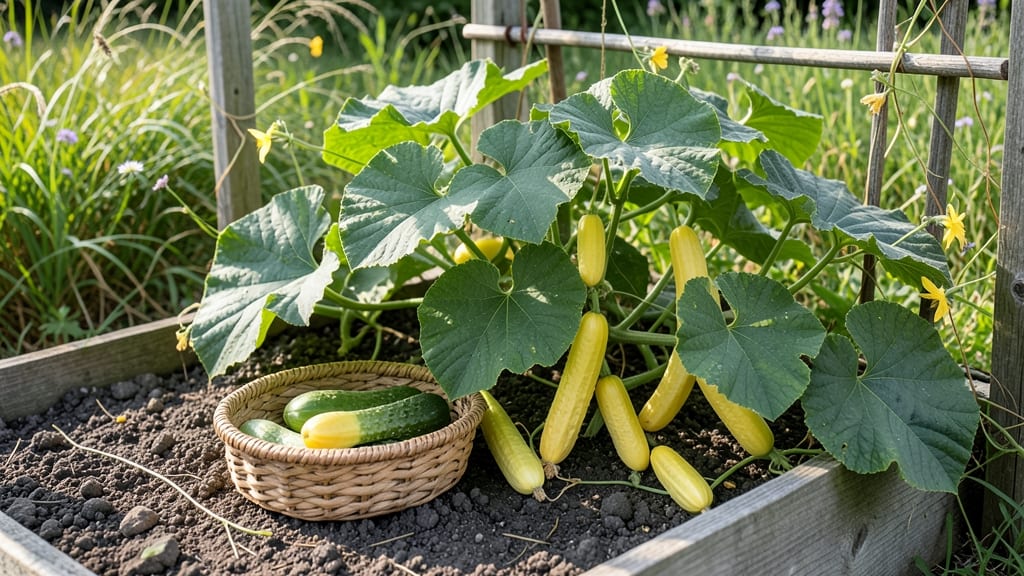
Growing small yellow cucumbers like 'Lemon Cucumber' or 'Bush Champion' is the fastest way to fresh, zesty harvests—even in tiny spaces. 🌱 I've grown these varieties in 5-gallon containers on my balcony, and they produce 30-40 cucumbers per plant in just 60 days from seed.
The secret is their compact growth habit and quick germination, perfect for beginners or urban gardeners. These cucumbers thrive in full sun (6+ hours daily) and well-draining soil with a pH of 6.0-6.8.
Use a balanced fertilizer (10-10-10) at planting and again when vines start climbing, but avoid over-fertilizing—it leads to bitter fruit. Water at the base 1-2 inches per week, keeping soil consistently moist but not soggy.
Harvest when cucumbers are 1-2 inches long for maximum sweetness, and they’ll keep producing for weeks. The key to container success? Trellising—even bush varieties benefit from vertical support to improve air circulation and reduce disease risk. Yellowing leaves?
Check for overwatering or nutrient deficiencies—a quick soil test fixes it fast. Perfect for small patios, balconies, or even sunny windowsills. These cucumbers are disease-resistant, high-yielding, and foolproof for first-time growers. Let’s get those seeds in the ground!
Understanding Tiny Yellow Fruits
If your Cucumis sativus vines are producing small, yellow cucumbers instead of the crisp, green harvest you expected, don’t panic—there are clear reasons behind this shift. These changes often stem from environmental, genetic, or cultural factors.
Below, we’ll break down the most common causes, backed by science, so you can diagnose the issue and take action.
Cucumbers are cool-season crops, and when temperatures climb above 90°F (32°C), their growth slows, and they start turning yellow prematurely. This happens because:
- Enzyme activity spikes: High heat accelerates the breakdown of chlorophyll (the green pigment), revealing the yellow xanthophyll underneath. Think of it like a leaf changing color in autumn—just faster.
- Pollination failures: Bees and other pollinators become sluggish in extreme heat, leading to underdeveloped fruits. Without proper fertilization, cucumbers may stay small and yellow.
- Water stress: Heat increases evaporation rates, causing plants to wilt and prioritize survival over fruit development. Even with consistent watering, roots may struggle to absorb enough moisture.
💡 Pro Tip: If your region hits heatwaves, opt for heat-tolerant varieties like ‘Straight Eight’ or ‘Lemon Cucumber.’ Provide afternoon shade with a 30% shade cloth to protect vines during peak sun.
Not all small yellow cucumbers are a sign of trouble—sometimes, they’re just young! Cucumbers go through distinct stages:
- Green (unripe): Hard, seedy, and bitter (not ideal for eating).
- Yellow-green (transition phase): Softening, developing sweetness, and turning slightly yellow as sugars form.
- Fully yellow (overripe): Seeds turn brown, flesh becomes mushy, and skin toughens.
If you’re harvesting too early, you’ll miss the peak flavor window (typically 5–7 days after pollination). Conversely, if growth is stunted due to poor soil nutrients or compacted roots, cucumbers may never reach full size.
🎯 Action Step: Check the days to maturity on your seed packet. For container-grown cucumbers, use a balanced fertilizer (10-10-10) every 2–3 weeks to ensure steady growth.
Cucumbers are heavy feeders, and deficiencies in key nutrients can stunt fruit development, leading to small, yellow specimens. Here’s what to watch for:
| Nutrient | Symptoms | Solution |
|---|---|---|
| Nitrogen (N) | Yellowing leaves (starting with older ones), weak vines, tiny fruits. | Apply compost or fish emulsion (high in N) at planting and mid-season. |
| Potassium (K) | Yellow edges on leaves, weak stems, poor fruit set. | Use wood ash or banana peel tea (potassium-rich) every 4 weeks. |
| Magnesium (Mg) | Interveinal yellowing (veins stay green), small, deformed cucumbers. | Add Epsom salt (1 tbsp/gallon of water) as a foliar spray or soil drench. |
⚠️ Warning: Over-fertilizing with nitrogen can also cause issues—too much promotes leafy growth at the expense of fruit. Aim for a 3-1-2 ratio (N-P-K) for balanced results.
Cucumbers thrive on consistent moisture, but fluctuations—whether from drought or overwatering—can trigger stress responses, including yellowing and stunted growth.
- Underwatering: Leads to osmotic stress, where roots can’t absorb nutrients efficiently. Leaves curl, fruits shrivel, and yellowing appears.
- Overwatering: Causes root rot (from Pythium or Fusarium fungi), which blocks nutrient uptake. Roots suffocate in soggy soil, leading to poor fruit development.
- Inconsistent watering: Even brief dry spells can cause bitter cucumber syndrome, where fruits turn yellow and develop a harsh taste.
🔥 Best Practice: Water deeply 1–2 times per week (1–1.5 inches per session) and use mulch to retain moisture. Drip irrigation is ideal—it delivers water directly to roots without wetting foliage (which reduces disease risk).
Cucumbers are perfect flowers, meaning they have both male and female parts, but they still rely on pollinators (or wind) to transfer pollen. If pollination fails:
- Fruits may abort early (dropping as tiny buds).
- Existing cucumbers stay small and yellow (underdeveloped).
- Fruits may form but lack seeds.
Common Causes:
- Lack of bees or other pollinators (especially in urban or greenhouses).
- Extreme weather (rain, wind, or heat) that keeps pollinators away.
- Overuse of pesticides (neonicotinoids are particularly harmful to bees).
👨🍳 DIY Fix: If you’re growing in containers or a bee-sparse area, hand-pollinate by gently transferring pollen with a small brush or cotton swab from male (long-stemmed) to female (tiny fruit at base) flowers in the morning.
Fixing Tiny Yellow Cucumbers Fast
If your cucumber plants are producing small yellow cucumbers instead of the plump, green varieties you expected, don’t panic—there are practical fixes! The key is identifying the root cause (like poor pollination, heat stress, or nutrient deficiencies) and addressing it with targeted solutions.
Below, we break down the most common issues and how to reverse them, plus prevention tips to keep your harvest thriving.
Problem: Tiny, yellowing cucumbers often signal a lack of pollination or weak plant structure, leading to underdeveloped fruit.
How to Fix It:
- 🔥 Hand-Pollinate Your Plants: Cucumbers rely on bees or wind for pollination. If your garden lacks pollinators, gently shake the vines or use a soft paintbrush to transfer pollen from male to female flowers (female flowers have tiny cucumbers at their base).
- 👨🍳 Prune for Airflow: Overcrowded vines block sunlight and airflow, stressing plants. Trim excess leaves or vines to improve circulation and encourage stronger growth.
- 🥘 Add Support: Use trellises or cages to keep vines upright. This reduces disease risk and helps cucumbers grow evenly.
💡 Prevention Tip: Plant companion flowers like marigolds or nasturtiums nearby to attract pollinators naturally.
Problem: Extreme temperatures (especially heat waves or late-season chills) cause cucumbers to turn yellow and stay small.
How to Fix It:
- ⏰ Adjust Watering: During heatwaves, water deeply in the morning to keep roots cool. Mulch with straw or grass clippings to retain moisture.
- 🌿 Provide Shade: Use shade cloth (30–50% coverage) if temperatures exceed 90°F (32°C). This prevents sunscald and helps cucumbers develop properly.
- 🍎 Harvest Early: If stress is unavoidable, pick small yellow cucumbers before they overripen. They’re still edible and can be used in salads or pickling.
💡 Prevention Tip: Choose heat-tolerant varieties like ‘Straight Eight’ or ‘Lemon Cucumber’ if your climate swings wildly.
Problem: Yellowing leaves or stunted cucumbers may mean your plants are hungry—or overfed.
How to Fix It:
- 🌱 Test Soil pH: Cucumbers thrive in slightly acidic soil (pH 6.0–6.8). Use a soil test kit to adjust with lime (to raise pH) or sulfur (to lower it).
- 🥗 Balance Fertilizer: Overdoing nitrogen causes lush leaves but tiny fruit. Switch to a balanced 10-10-10 or 5-10-10 fertilizer (higher phosphorus/potassium ratio) to boost flowering and fruiting.
- 💪 Feed Mid-Season: Side-dress with compost or a liquid seaweed fertilizer every 3–4 weeks for a steady nutrient boost.
💡 Prevention Tip: Avoid synthetic fertilizers—opt for organic options like banana peels (for potassium) or crushed eggshells (for calcium).
Problem: Bugs (like cucumber beetles) or fungal diseases (e.g., powdery mildew) weaken plants, leading to poor fruit development.
How to Fix It:
- 🛡️ Use Row Covers: Protect young plants with lightweight fabric to block pests until they’re established.
- 🍳 Spray Neem Oil: Mix 1 tbsp neem oil + 1 tsp dish soap in 1 quart of water. Spray leaves to deter beetles and fungi.
- 🌿 Rotate Crops: If diseases persist, avoid planting cucumbers in the same spot next year.
💡 Prevention Tip: Inspect plants weekly for holes, yellowing, or webbing. Act fast—early intervention prevents outbreaks!
With these fixes, your cucumber plants should bounce back in 1–2 weeks, producing larger, healthier fruit. For container growers, monitor soil moisture closely—dry or soggy conditions are common culprits for stunted growth. Happy gardening! 🌿🍉
Frequently asked questions
Are small yellow cucumbers the same as regular cucumbers?
Not exactly! Small yellow cucumbers are typically a different variety like 'Lemon Cucumber' or 'Bush Champion' that naturally stay small and turn yellow when ripe. They're sweeter and more flavorful than standard green cucumbers, perfect for salads or pickling. Their compact size makes them ideal for containers or small gardens.
Why are my regular cucumbers turning yellow instead of growing big?
Yellowing in regular cucumbers usually signals overripeness, heat stress, or poor pollination. If temperatures exceed 90°F (32°C), cucumbers may turn yellow prematurely. Check for bees (they help pollination) and ensure consistent watering—1-2 inches per week. For container growers, use a trellis to improve airflow and reduce disease risk.
Can I grow small yellow cucumbers in pots?
Varieties like 'Lemon Cucumber' thrive in 5-gallon containers with proper care. Use well-draining potting mix and a trellis to support vines. Place pots in full sun (6+ hours daily) and water at the base when the top inch of soil feels dry. Fertilize with a balanced 10-10-10 formula every 3-4 weeks for best results.
How do I know when small yellow cucumbers are ready to harvest?
Harvest when they're 1-2 inches long and fully yellow—this is their peak flavor stage! Use pruning shears to avoid damaging vines. Check plants every 2-3 days during peak production. For continuous harvests, pick consistently to encourage more fruit development. Overripe yellow cucumbers become tough and bitter.