
Advice
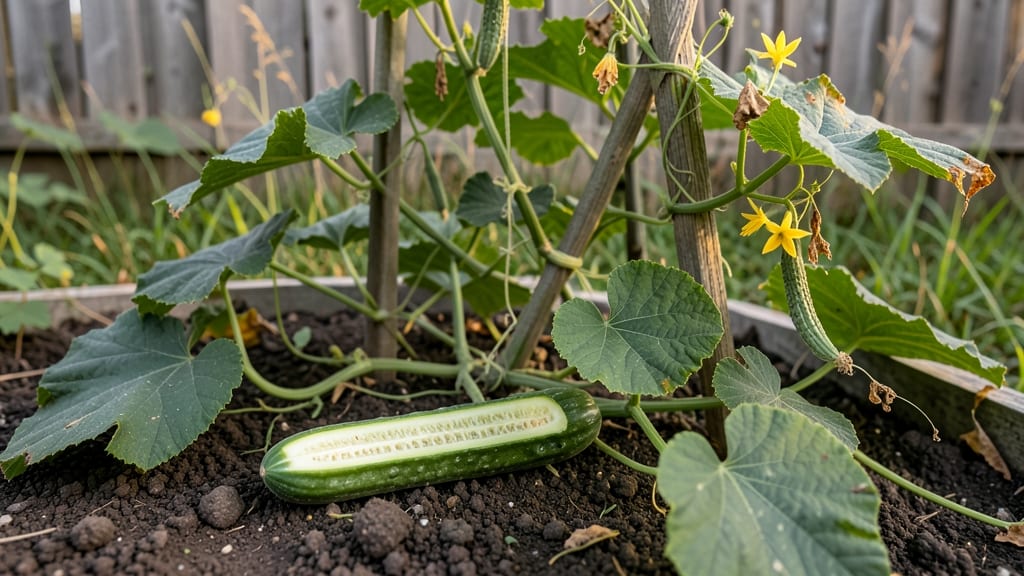
These bitter compounds aren't just unpleasant—they're your body's warning system. 🌱 When cucumbers develop bitterness (often from stress, heat, or genetic traits), their cucurbitacin levels spike, potentially causing inflammation or even skin irritation in sensitive people.
Even small amounts might make you feel queasy, though most healthy adults can tolerate occasional exposure without serious issues. The key is recognizing the difference between normal cucumber flavor and that sharp, lingering bitterness that signals trouble.
If you're growing your own cucumbers, try the "taste test" method: rub a tiny bit of skin between your fingers and lick it—if it tastes bitter, don't eat it. For store-bought varieties, opt for English or Persian cucumbers, which are bred to be milder.
And if you accidentally bite into a bitter one? Spit it out and rinse your mouth—your stomach will thank you.
💡 In This Article
- Why Bitter Cucumbers Develop and Their Toxic Compounds
- How to Test and Remove Bitterness from Cucumbers
Why bitter cucumbers develop and their toxic compounds
Cucumbers produce bitterness as a natural defense mechanism when stressed.
Extreme heat, drought, or poor soil conditions trigger the plant to ramp up cucurbitacin production—bitter compounds that act as a deterrent to pests and herbivores. 🌱 These compounds are most concentrated in the skin and seeds, which is why peeling or removing seeds reduces but doesn't eliminate the risk.
The bitterness threshold varies by variety: heirloom types like 'Armenian' or 'Lemon' can contain 10-100 times more cucurbitacins than modern hybrid varieties bred for milder flavor.
The human body reacts to these compounds primarily through the digestive system. Cucurbitacins bind to bitter taste receptors on your tongue, but they also irritate the gastrointestinal lining when consumed.
At low doses (10-20 mg), they may cause mild nausea or a metallic aftertaste, while higher doses (found in concentrated extracts or repeatedly eating bitter cucumbers) can trigger vomiting or diarrhea. 💊 Studies show these compounds interfere with normal cell signaling pathways, potentially disrupting nutrient absorption in the intestines—a process that explains why some people experience bloating or cramping even hours after ingestion.
Not everyone reacts the same way to cucurbitacins. Sensitivity depends on genetics, gut microbiome composition, and overall health.
For example, individuals with HLA-DR4 gene variants (common in autoimmune conditions) may experience allergic-like reactions, including skin rashes or swelling. 🚨 The severity also correlates with exposure: eating 1-2 slices of a mildly bitter cucumber might cause only mild discomfort, while consuming a whole highly bitter cucumber could lead to more pronounced symptoms.
This variability makes it crucial to test cucumbers before eating them fully.
Interestingly, cucurbitacins have been studied for potential medical benefits in low, controlled doses. Research published in the Journal of Ethnopharmacology suggests they may have anti-inflammatory and anti-cancer properties, but these effects occur at concentrations far below what would cause toxicity.
The same compounds that make cucumbers bitter could theoretically help fight chronic diseases—just not in the amounts you'd encounter in a single vegetable serving. 🧪 This duality highlights why moderation is key when dealing with bitter foods.
Environmental factors play a surprising role in bitterness levels. Cucumbers grown in high-nitrogen soils tend to produce more cucurbitacins, while those in cooler climates develop milder flavors.
Even the time of day matters: cucumbers harvested in the morning often have lower bitterness than those picked in the afternoon heat. 🌞 These botanical quirks explain why homegrown cucumbers can vary so dramatically from store-bought varieties, which are typically bred and grown under controlled conditions to minimize bitterness.
If you're curious about testing your own cucumbers, try this simple method: rub a small piece of skin between your fingers and lick it. If it tastes bitter, discard the cucumber—especially if it's from an heirloom variety or grown in stressful conditions.
For gardeners, selecting non-bitter varieties like 'Straight Eight' or 'Marketmore' can significantly reduce risks while still delivering that classic cucumber crunch. 🥒