
Companion Plants
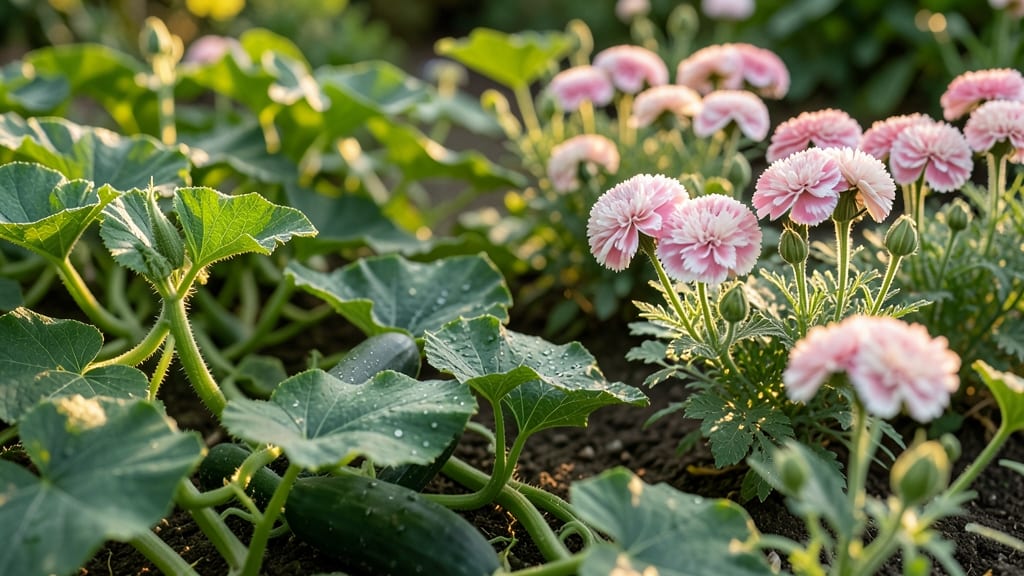
Want a thriving garden with fewer pests and bigger harvests? Pumpkins and cucumbers are powerhouse companions that naturally repel insects while maximizing space and nutrients. These 10 proven pairings will transform your garden into a pest-free, high-yielding ecosystem.
Nasturtiums Near Cucumber Vines
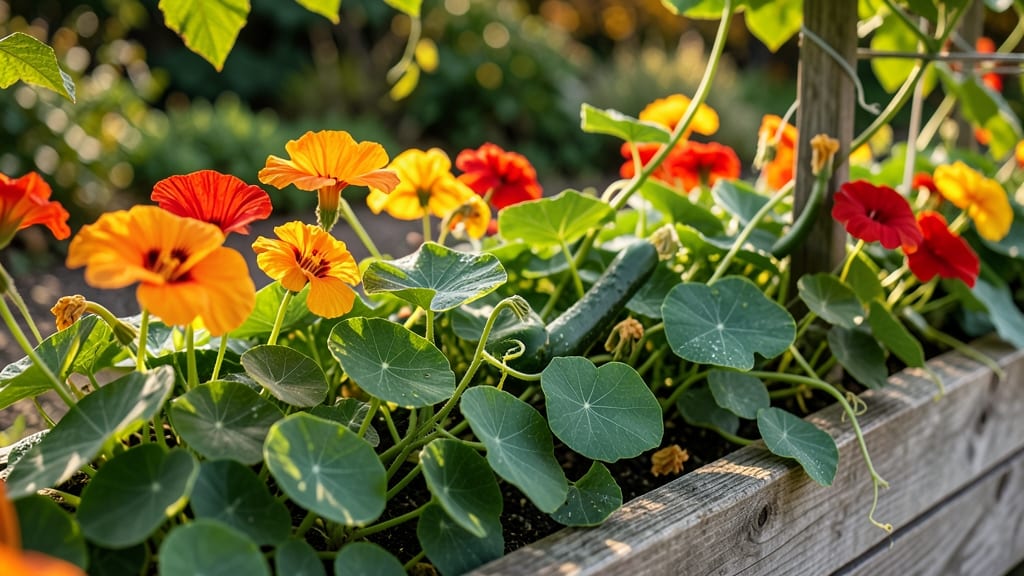
Struggling with cucumber beetles chewing your cucumber leaves? Nasturtiums are the secret weapon you need—these edible flowers act as a decoy, luring pests away from your cucumbers while adding stunning color to your garden. Their peppery leaves and bright blooms make them a dual-purpose plant that works beautifully in small spaces.
Plant nasturtiums at the base of cucumber vines or along their edges to create a natural pest barrier. The flowers contain compounds that repel aphids and cucumber beetles, while their trailing habit fills gaps in raised beds or containers. For best results, choose compact varieties like 'Jewel Mix' or 'Alaska' to avoid overcrowding your cucumbers.
This pairing is especially valuable for urban gardeners or those with limited space, as nasturtiums thrive in containers and deter pests without chemicals. Plus, their edible blooms add a peppery kick to salads—double the benefit! 🌟
Marigolds Surrounding Pumpkin Plants

Struggling with squash bugs or nematodes in your pumpkin patch? Marigolds are the unsung heroes of organic pest control, acting as a natural barrier that repels these destructive pests while luring in beneficial pollinators. Their bright blooms also add a pop of color that makes your garden look like a postcard.
Plant French marigolds or African marigolds around the perimeter of your pumpkin plants, about 12-18 inches away, to create a protective ring. The strong scent of their foliage confuses squash bugs and deters nematodes from invading pumpkin roots. Bonus: Their roots release compounds that improve soil health, making it easier for your pumpkins to thrive. 🌻
This pairing is a game-changer for organic growers who want to avoid chemical sprays but still keep pests at bay. Plus, the pollinators they attract will help your pumpkins and cucumbers produce more fruit. It’s a win-win for your garden ecosystem! ✨
Basil Plants Between Cucumber Rows
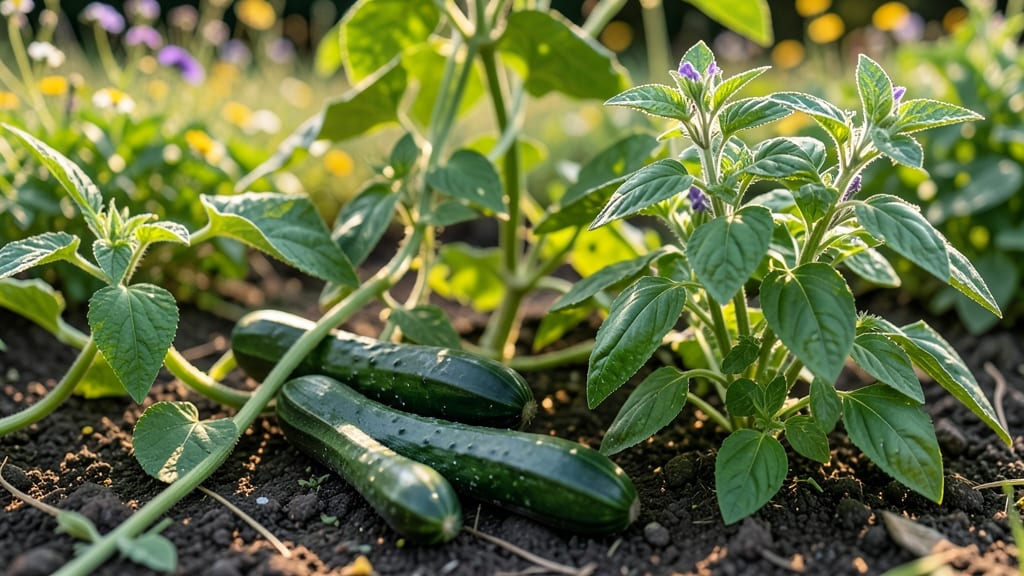
Need a flavor boost for your cucumbers and a natural way to keep whiteflies at bay? Basil is the secret weapon you’ve been missing. This fragrant herb doesn’t just repel pests—it actually enhances the taste of cucumbers when planted nearby, making your harvests more delicious and productive.
Sow basil seeds or transplant seedlings between cucumber rows, spacing them about 12-18 inches apart to allow airflow. Basil thrives in full sun to partial shade, so it’s perfect for container gardens or small urban plots where space is limited. Pinch back the flowers to encourage leaf growth, and harvest regularly to keep the plant bushy. The strong scent of basil confuses whiteflies, reducing their numbers without chemicals.
This pairing is especially great for urban gardeners or those with limited space—basil’s compact growth and dual benefits make it a must-have companion. Plus, you’ll get fresh herbs for cooking! 🌱
Radishes Interplanted With Pumpkins
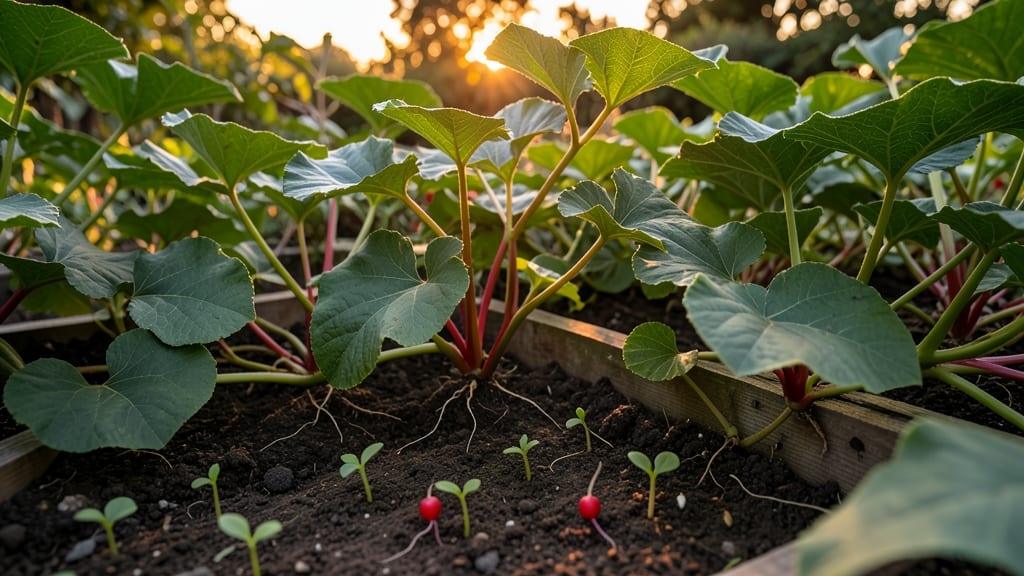
If you're looking to maximize your pumpkin patch without extra work, radishes are the unsung heroes you need. Their fast-growing nature and shallow roots create a natural pest deterrent while loosening soil—perfect for pumpkin roots that need room to spread.
Plant radish seeds between pumpkin seedlings when the pumpkins are about 4-6 inches tall. The radishes will mature in just 3-4 weeks, giving you an early harvest while their foliage confuses pests like squash bugs and cucumber beetles. After harvesting, remove the radish plants to avoid competition with pumpkins.
This method is especially useful for succession planting—sow radishes every 2-3 weeks for continuous pest control and soil improvement. Urban gardeners and small-space growers will love how this pairing boosts yields without extra space. 💚
Dill Alongside Cucumber Trellises
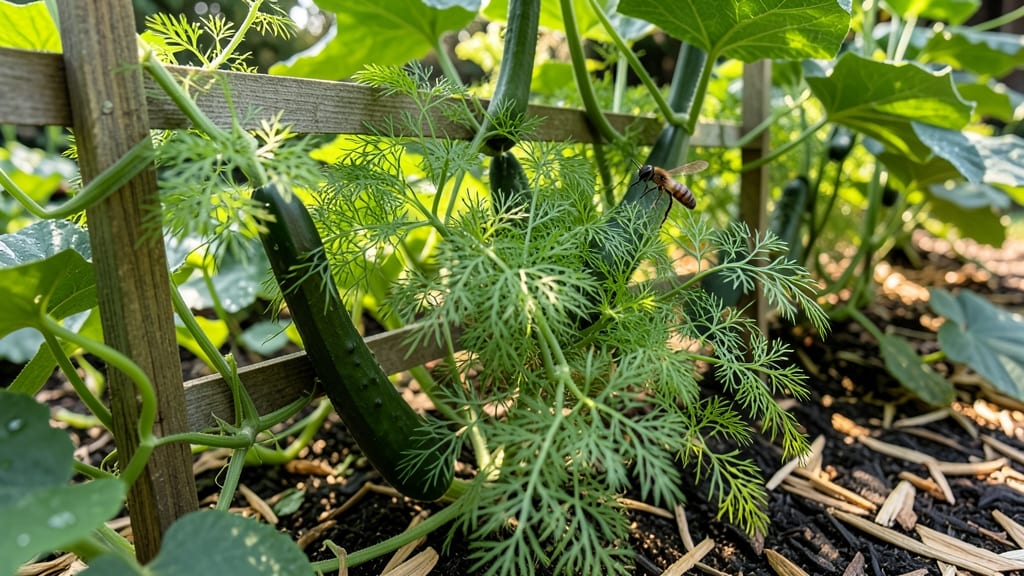
If you're tired of battling cucumber beetles and squash bugs organically, dill might be your secret weapon. This feathery herb doesn’t just add flavor to your kitchen—it lures beneficial predatory wasps that hunt garden pests naturally, making it a must-have for cucumber trellises.
Plant dill 12–18 inches away from cucumber trellises to create a pest-free buffer zone. The wasps drawn to dill’s flat-topped blooms will target cucumber beetles and other common cucurbit pests, reducing the need for sprays. For best results, allow dill to bolt and flower—this is when it becomes most attractive to these helpful insects.
Organic gardeners and those prioritizing biodiversity will love this pairing, as it boosts the garden’s natural pest control ecosystem without chemicals. Plus, the tall, airy dill adds vertical interest to your trellis setup. 🌿
Beets Mixed Into Pumpkin Beds
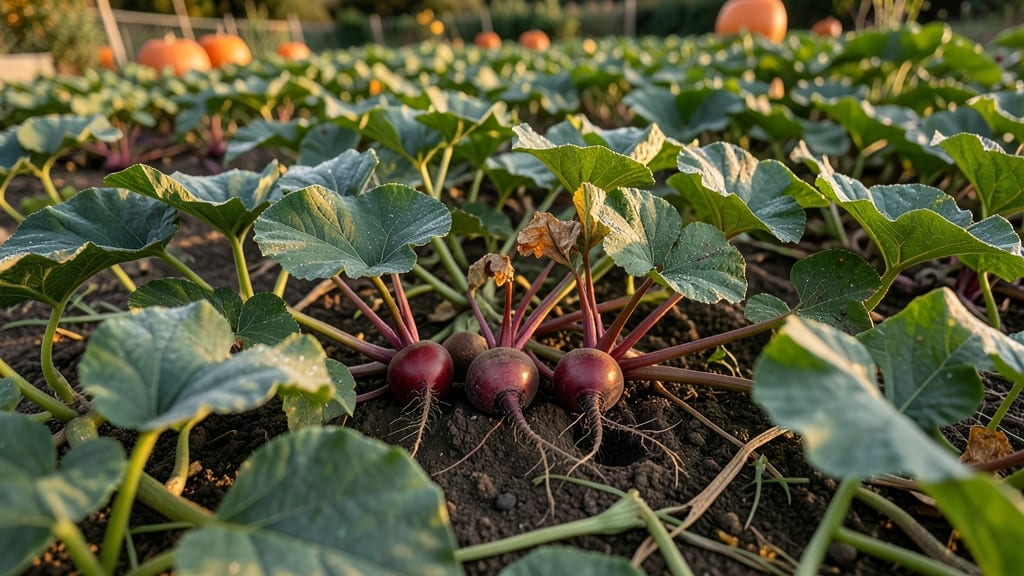
Struggling with squash vine borers ruining your pumpkin patch? Planting beets directly into your pumpkin beds is a game-changer—this duo shares nutrients while naturally confusing pests away from your vines. The deep roots of beets help break up compacted soil, creating ideal conditions for pumpkin growth.
For square-foot gardening, space these companions just 4-6 inches apart, allowing beets to thrive between young pumpkin seedlings. The strong scent of beets deters squash vine borers, reducing the need for chemical interventions. Plus, harvesting beets early in the season leaves room for pumpkins to expand later.
This pairing is especially valuable for urban gardeners or those with limited space, maximizing yield without sacrificing health. Give it a try this season! 🌱
Lettuce Underneath Pumpkin Vines
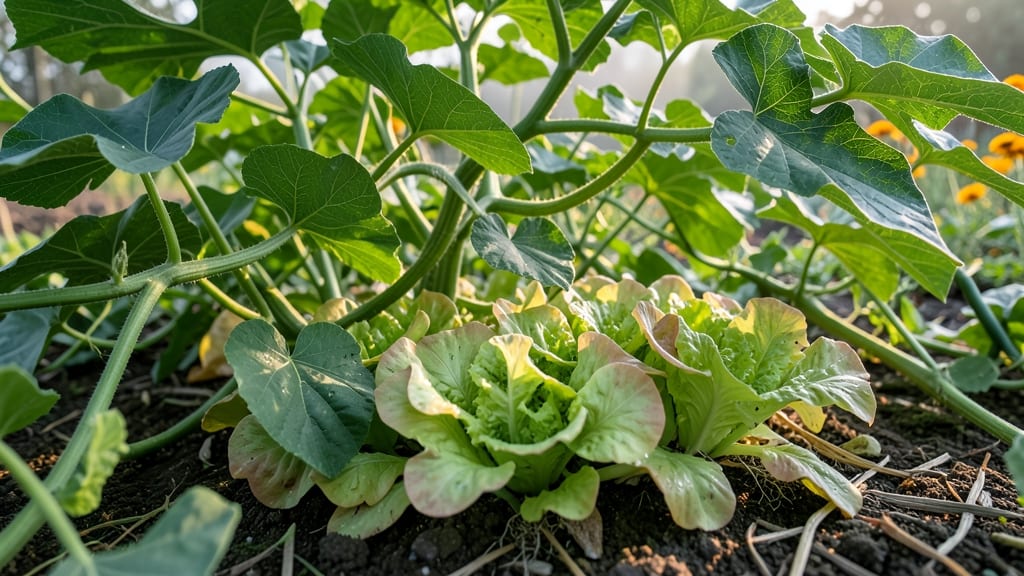
If your summer garden feels like a hot, crowded sauna for delicate greens, lettuce underneath pumpkin vines is your secret escape. This clever pairing turns wasted space into a cool, shaded microclimate where heat-sensitive lettuce thrives while pumpkins sprawl above—no extra work required.
Start by planting pumpkin seeds first, allowing their vines to spread and create natural shade. Once established, tuck loose-leaf or butter lettuce varieties between the vines, ensuring they get dappled sunlight (2-4 hours daily) rather than full sun. This method works especially well in raised beds or containers where vertical space is limited, and it keeps lettuce crisp during peak summer heat.
Urban gardeners and small-space growers will love this trick—it’s like having a built-in shade cloth without the hassle. Plus, the pumpkins’ broad leaves protect lettuce from pests like flea beetles. 🌱
Chives Between Cucumber Plants
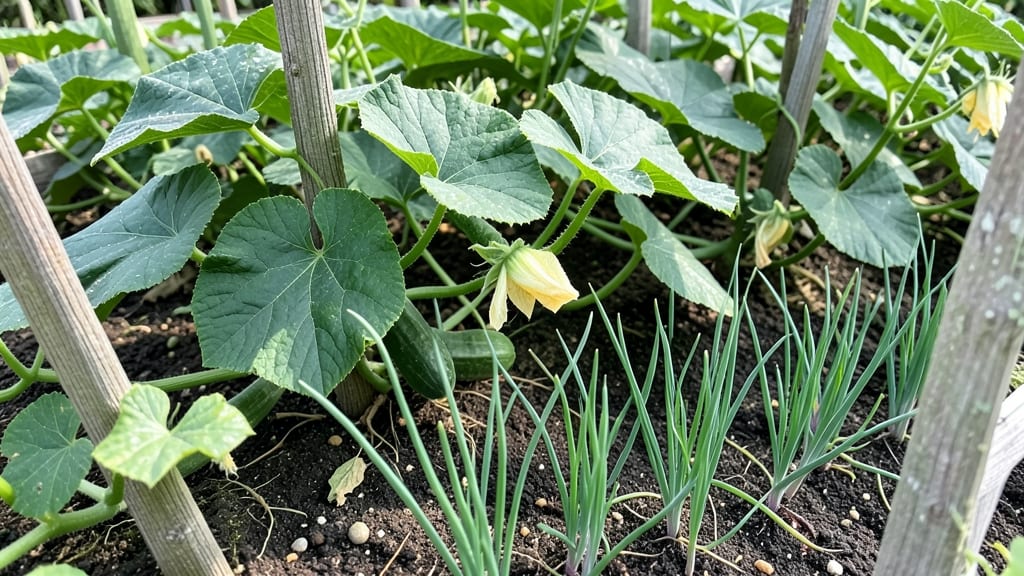
Looking for a low-maintenance way to keep aphids at bay while boosting your cucumber harvest? Chives are the unsung heroes of the garden—planting them between cucumber rows creates a natural pest barrier without chemicals.
The antifungal compounds in chives also improve soil health by suppressing fungal diseases like powdery mildew, which commonly affects cucumbers. Their mild onion scent confuses aphids while attracting beneficial insects like parasitic wasps. For permaculture gardeners, chives are a perennial solution that returns year after year, reducing annual planting costs.
This pairing is ideal for small urban gardens or permaculture systems where space and sustainability matter most. 🌱
Sunflowers At Pumpkin Perimeter
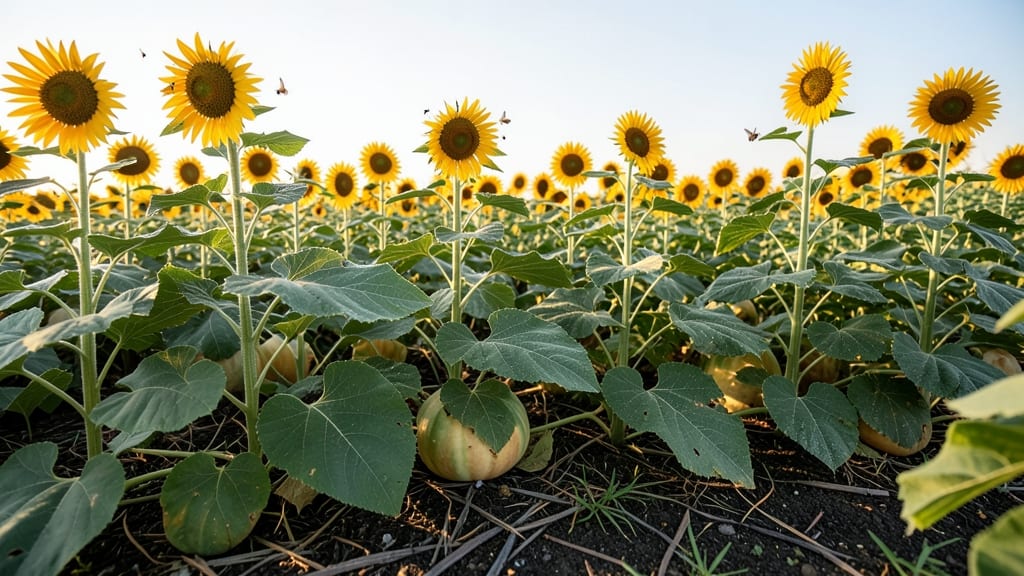
If your pumpkins are struggling with too much sun or pests, sunflowers can be the perfect border solution—especially for large garden plots. Their towering height creates natural shade for pumpkin vines while their bright blooms act as a magnet for pollinators like bees and butterflies, boosting cucumber yields nearby.
Plant sunflower varieties like 'Mammoth' or 'Autumn Beauty' at least 3 feet away from pumpkin vines to avoid root competition. Their deep taproots also help break up compacted soil, improving drainage for both crops. For extra support, train cucumbers to climb nearby trellises while letting sunflowers stand guard at the perimeter.
This pairing is a game-changer for gardeners with space to spare—especially those growing heirloom pumpkins or trellised cucumbers. The sunflowers' dual role as shade provider and pollinator attractor makes them a must-have for late-summer gardens. 🌻
Carnations Interplanted With Cucumbers

Want to add beauty and pest control to your cucumber patch without sacrificing harvests? Carnations are a surprising but effective companion that deters asparagus beetles—a common cucumber pest—while providing stunning blooms for cut flower arrangements.
Plant dwarf carnations (like 'Chou Chou' or 'Border Gem') around cucumber vines, spacing them 6-12 inches apart. Their strong scent masks cucumber odors that attract pests, while their bright blooms add visual appeal. Carnations thrive in full sun to partial shade and prefer well-draining soil—ideal for container gardens or raised beds where cucumbers grow.
This pairing is ideal for gardeners who want both edible crops and ornamental value. The fragrant flowers also attract pollinators, boosting cucumber yields while keeping pests at bay. 🌻