
Watering
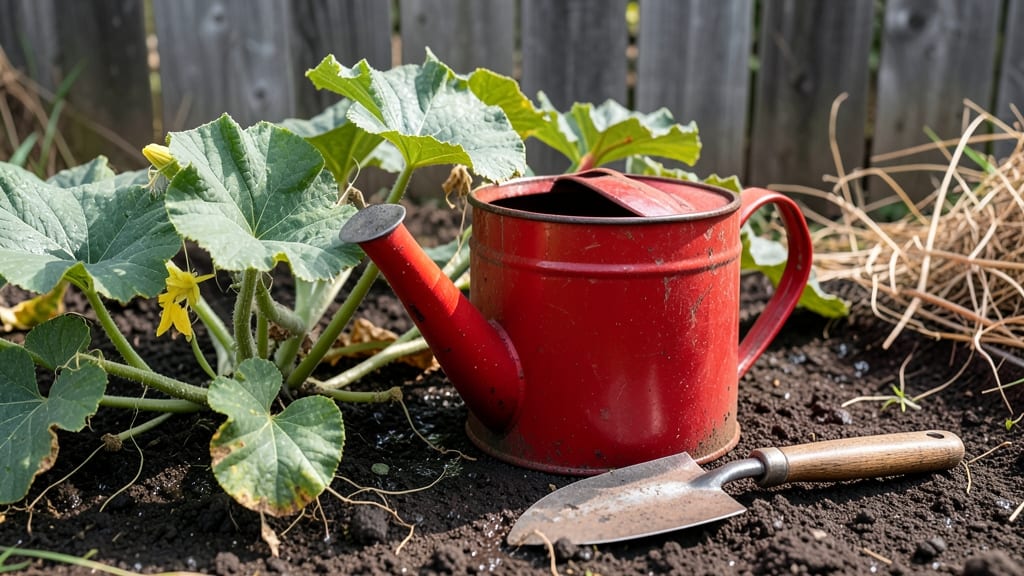
Overwatered cucumber seedlings can turn your hopeful starts into sad, mushy messes—unless you act fast. 🌱 I’ve pulled seedlings back from the brink by catching the early signs: yellowing leaves, wilting stems, and that dreaded musty smell.
The key is stopping the rot before it spreads, and it’s simpler than you think.
First, check the soil—it should feel damp but not soggy, like a wrung-out sponge. If your seedlings are sitting in waterlogged soil, move them to a well-draining container or raised bed immediately.
Cucumbers hate wet feet, and root rot spreads faster than you’d believe. Once replanted, hold off on watering for 24 hours to let the roots recover.
You’ll see improvement within 3-5 days if you catch it early: leaves perk up, new growth appears, and the soil smells fresh again. The secret is balance—water deeply but infrequently, and always ensure pots have drainage holes.
Overwatering is the silent killer, but with these steps, your seedlings stand a real chance.
For future batches, stick your finger in the soil before watering—if the top inch is dry, it’s time to hydrate. Cucumbers thrive with consistent moisture, not a swamp. Trust the process, and you’ll go from wilting to thriving in no time.
Root Causes Of Overwatered Seedlings
Overwatering cucumber seedlings can turn your green thumb into a soggy mess—literally. While it might seem counterintuitive, too much water is one of the fastest ways to kill young plants before they even get a chance to thrive.
Let’s break down the real reasons this happens, so you can avoid the pitfalls and give your seedlings the perfect balance of moisture.
Cucumber seedlings despise sitting in waterlogged conditions. If your pots, trays, or garden beds don’t have proper drainage, excess water pools at the roots instead of draining away. Here’s why this is a disaster:
- Oxygen Starvation: Roots need oxygen to breathe—just like you! When soil stays soggy, air pockets disappear, suffocating the roots. Without oxygen, cells can’t produce energy efficiently, leading to root rot (a fungal or bacterial infection that turns roots mushy and black).
- Nutrient Lockout: Waterlogged soil binds essential nutrients like nitrogen and phosphorus, making them unavailable to the plant. Even if you’re fertilizing, the seedlings can’t access what they need.
- Fungal Feasts: Fungi like Pythium and Phytophthora thrive in wet conditions. They attack weakened roots, causing them to decay rapidly. Once established, these pathogens can spread to other plants in your garden.
Actionable Fix: Always use containers with drainage holes or amend heavy clay soil with perlite, sand, or coconut coir to improve aeration. If repotting, choose a well-draining mix like a 50/50 blend of potting soil and compost.
Think you’re doing your seedlings a favor by watering every day? Think again. Cucumber seedlings have delicate root systems that can’t handle frequent, shallow watering. Here’s what happens when you overdo it:
- Surface-Level Stress: Light, daily watering keeps the topsoil damp but doesn’t encourage deep root growth. Seedlings become dependent on surface moisture, making them vulnerable to drought and overwatering swings.
- Temperature Fluctuations: Wet soil cools down faster at night and heats up quicker in the sun. This temperature shock can disrupt root development and even cause chilling injury in sensitive seedlings.
- Weak Stem Development: Overwatered seedlings often grow leggy and weak because they prioritize reaching for moisture over strengthening their stems. This makes them prone to snapping or disease.
Actionable Fix: Water deeply but infrequently. Aim for 1-2 times per week (adjust for climate), soaking the soil until water runs out the drainage holes. Let the top inch of soil dry out between waterings—stick your finger in to test!
If your cucumber seedlings are crammed into tiny pots or trays, their roots have nowhere to escape when excess water accumulates. Here’s how container issues contribute to overwatering:
- Root Bound Stress: Small containers fill up with water quickly, leaving no room for excess to drain. Roots become waterlogged within hours, especially in plastic trays without airflow.
- Heat Trapping: Dark-colored containers or plastic trays absorb heat, raising soil temperatures. Warm, wet soil accelerates microbial activity—including harmful pathogens—that rot roots faster.
- Competition For Air: Crowded seedlings compete for oxygen, and the central plants often suffer the most. Their roots suffocate while the outer seedlings might appear fine (a false sense of security!).
Actionable Fix: Upgrade to individual pots at least 4-6 inches deep with drainage holes. Space seedlings 12–18 inches apart in garden beds to improve airflow. Use lightweight, breathable materials like fabric pots or terracotta.
Pro Tip: 💡 Mulch your seedlings with straw or shredded leaves to regulate soil moisture. Mulch slows evaporation, reducing the need for frequent watering while preventing soil compaction.
Revive Your Seedlings Fast
Overwatered cucumber seedlings can feel like a gardening disaster, but with the right steps, you can nurse them back to health—even if they’re already showing signs of root rot or wilting. The key is acting quickly, diagnosing the exact issue, and applying targeted fixes.
Below, we’ll break down the most common causes of overwatering damage and the practical, step-by-step solutions to save your plants.
Fix: Drain, Aerate, and Reset the Soil
If your seedlings are sitting in waterlogged soil, their roots are suffocating from a lack of oxygen. Here’s how to fix it:
- 🔥 Stop Watering Immediately
- Let the soil dry out completely before taking further action. Overwatering again will worsen the problem.
- 🍳 Repot in Fresh, Well-Draining Mix - Gently remove the seedlings from their current pot (if possible) and inspect the roots.
Healthy roots are white or pale; mushy or black roots are rotting. - Repot in a new container with a mix of: - 50% coco coir or peat moss (for moisture retention) - 30% perlite or vermiculite (for aeration) - 20% compost or worm castings (for nutrients) - Pro Tip: Add a handful of sand (if your soil is heavy clay) to improve drainage.
- 👨🍳 Elevate the Pot
- Place the pot on a drip tray or saucer (but empty it after 10 minutes to prevent waterlogging).
- Alternatively, use self-watering pots with a wick system to control moisture better.
- ⏰ Monitor for 3–5 Days
- Water only when the top 1–2 inches of soil feel dry. Use a moisture meter if you’re unsure.
💡 Prevention Tip:
- Use terracotta pots (they dry out faster than plastic).
- Add hydrogel crystals to the soil to regulate moisture naturally.
Fix: Fungicide Treatment & Root Pruning
If your seedlings have black, smelly roots or yellowing leaves despite drying out, root rot may have set in. Act fast:
- 🔪 Trim the Damaged Roots
- Sterilize a pair of scissors or pruners with rubbing alcohol.
- Snip off any black, mushy roots—only keep firm, white roots attached.
- 🌡️ Apply a Fungicide or Natural Remedy
- Store-bought option: Use a copper-based fungicide (like Bordeaux mixture) or hydrogen peroxide (3%) (1 part peroxide to 10 parts water).
- DIY option: Mix 1 tsp baking soda + 1 quart water + a few drops of dish soap and spray lightly on the soil.
- Avoid overwatering after treatment—let the soil dry between sprays.
- 🥘 Repot in Sterile Soil
- Use a new pot (old pots may harbor fungal spores).
- Fill with a sterilized potting mix (bake soil at 200°F for 30 minutes to kill pathogens).
- ✨ Boost Recovery with Nutrients
- After 1 week, fertilize with a diluted seaweed extract (1 tsp per gallon of water) to strengthen roots.
💡 Prevention Tip:
- Rotate crops—never plant cucumbers in the same spot two years in a row.
- Solarize soil in late summer (cover with clear plastic for 4–6 weeks to kill fungi).
Fix: Upgrade Your Growing Setup
If your seedlings are in small pots without drainage holes or heavy clay soil, they’re prone to overwatering. Here’s how to fix it:
- 🔥 Drill Drainage Holes (If Needed)
- If your pot lacks holes, use a drill with a small bit to add 2–3 holes in the bottom.
- Alternative: Place a layer of gravel or broken pottery at the bottom before adding soil.
- 🍳 Switch to Lighter Containers
- Plastic pots dry out slower—opt for fabric grow bags or terracotta instead.
- Self-watering pots (like those with a reservoir) can help if you’re prone to overwatering.
- 👨🍳 Use Mulch to Control Moisture
- Top the soil with straw, wood chips, or shredded leaves to reduce evaporation and prevent soil compaction.
- Avoid organic mulch if fungal issues are suspected—stick to inorganic options like gravel.
- ⏰ Adjust Your Watering Schedule
- Stick your finger in the soil—if the top 1 inch is dry, it’s time to water.
- Water deeply but infrequently—better to underwater slightly than drown them.
💡 Prevention Tip:
- Group pots together to create a microclimate with more stable humidity.
- Use a moisture meter to avoid guesswork—it’s a game-changer for beginners!
If your seedlings are completely limp but still have some green leaves:
- 💧 Give a Quick Hydration Boost
- Mix 1 tsp sugar + 1 tsp hydrogen peroxide (3%) in 1 cup water and water the base of the plant. This provides fast energy and oxygenates the roots.
- 🌡️ Create a Humidity Tent
- Cover the pot with a plastic bag (secured loosely) for 24 hours to retain moisture while roots recover.
- 🍃 Trim Damaged Foliage
- Snip off yellow or brown leaves to redirect the plant’s energy to new growth.
Final Reminder: The faster you act, the better the chances of recovery. Even if some seedlings don’t make it, healthy roots will sprout new growth in 1–2 weeks with the right care. Now grab your tools and get reviving! 🌱💦
Frequently asked questions
What are the first signs my cucumber seedlings are overwatered?
Watch for yellowing leaves (especially lower ones), wilted stems that don’t perk up even after watering, and a musty soil smell. If the soil feels cold and soggy like a wet sponge, your seedlings are drowning. Check the roots too—healthy ones are firm and white, while rotted roots turn black and mushy.
Can I save seedlings with root rot, or should I start over?
You can often save them by acting fast! Trim away black, mushy roots with sterilized scissors, repot in fresh, well-draining soil, and treat with a copper fungicide or hydrogen peroxide solution. With proper care, new roots will regrow in 1-2 weeks. If the rot has spread severely, starting fresh with new seeds might be easier—but don’t give up too soon!
How often should I water cucumber seedlings to avoid overwatering?
Water deeply 1-2 times per week (adjust for climate), soaking the soil until water runs out the drainage holes. Let the top 1 inch of soil dry out between waterings—stick your finger in to test! In hot weather, you might water every 3-4 days, while cooler seasons may only need weekly watering. Always prioritize drainage over frequency.
What’s the best container setup to prevent overwatering?
Use individual pots with drainage holes (at least 4-6 inches deep) made of terracotta or fabric. Avoid plastic trays—water pools at the bottom, suffocating roots. For garden beds, amend heavy soil with perlite or sand to improve drainage. Elevate pots on saucers (empty after 10 minutes) or use self-watering containers with wicks for better control.
Will mulch help or hurt overwatered cucumber seedlings?
Mulch can actually help—just choose the right type! Organic mulch like straw or wood chips regulates moisture by slowing evaporation, but avoid it if fungal issues are present. For recovery, use inorganic mulch like gravel to prevent soil compaction while allowing excess water to evaporate. Always apply mulch after soil has dried out to avoid trapping moisture.