
Fertilization
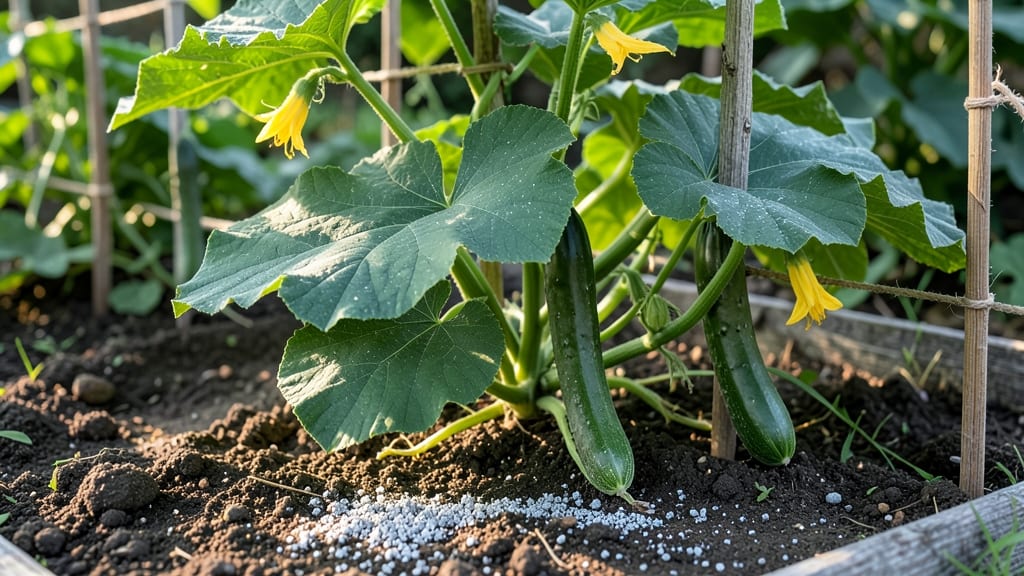
Wood ash can help cucumbers when used carefully, as it gently raises soil pH and adds potassium, but too much makes the soil too alkaline, starving plants of essential nutrients like iron and manganese. Stick to small amounts—about 1/4 cup per plant every few months.
Wood ash works because it contains potassium and calcium carbonate, which naturally boost soil alkalinity while providing nutrients cucumbers need for strong vines and fruit production. 🌱 However, cucumbers thrive in slightly acidic to neutral soil (pH 6.0–7.0), so overuse can backfire by locking out micronutrients like iron, causing yellowing leaves even if your plants look vigorous.
Think of it like adding a pinch of baking soda to coffee—just enough enhances flavor, but too much ruins the whole cup.
For best results, test your soil first and apply wood ash only if your pH is below 6.5. Mix it lightly into the top inch of soil in early spring or fall, avoiding direct contact with plant stems.
If you're unsure, compost or well-rotted manure offers similar benefits without the alkalinity risk.
💡 In This Article
- How Wood Ash Affects Cucumber Growth and Soil Chemistry
- Safe Wood Ash Application Methods for Cucumber Gardens
How wood ash affects cucumber growth and soil chemistry
Wood ash primarily alters soil chemistry by increasing pH levels due to its calcium carbonate content, which acts as a natural lime. When applied, it neutralizes acidic soils, creating a more alkaline environment.
Cucumbers prefer slightly acidic to neutral soil (pH 6.0–7.0), but small pH boosts can actually improve nutrient availability for potassium—something cucumbers crave for strong vines and fruit development.
The potassium in wood ash (about 4-8% by weight) helps regulate water uptake and boosts disease resistance, making plants less susceptible to fungal infections like powdery mildew.
The real risk lies in overapplication, which can push soil pH above 7.5, triggering micronutrient deficiencies. At higher pH levels, iron and manganese—critical for chlorophyll production—become less available, causing interveinal chlorosis (yellowing between leaf veins) even while the plant appears healthy.
Think of it like a locked door: nutrients are present but can't enter the plant's system. 🌱 For example, soil with pH 8.0 can reduce iron availability by up to 90%, stunting growth despite adequate fertilization.
Wood ash also introduces trace amounts of phosphorus and magnesium, which support root development and enzyme activity. However, these benefits are often overshadowed by its alkalizing effect.
The calcium in wood ash helps prevent blossom-end rot in cucumbers, but the pH shift can create an imbalance where other nutrients become inaccessible. This is why soil testing before application is non-negotiable—it reveals whether your garden needs the pH boost or would suffer from it.
Another critical factor is organic matter content. Sandy soils with low organic matter respond more dramatically to wood ash than loamy or clay soils, which buffer pH changes better. In heavy clay, wood ash may only raise pH temporarily, while in sandy soils, the effect can last 6-12 months.
This persistence is why many gardeners mistakenly overapply, assuming more will always help—when in reality, it can create long-term nutrient imbalances.
Consider this: wood ash's potassium content is roughly equivalent to 1/4 teaspoon of potassium sulfate per tablespoon of ash. While this seems modest, the pH impact is what truly changes the soil ecosystem.
For cucumbers, this means a delicate balance—too little does nothing, but too much creates a nutrient desert where roots struggle to access what they need. The key is precision: use wood ash only when soil tests confirm a pH below 6.5, and never exceed 1/4 cup per plant.
What most gardeners overlook is how wood ash interacts with other soil amendments. For instance, pairing it with compost (which is slightly acidic) can help buffer the pH increase. The organic matter in compost binds some of the calcium carbonate, reducing its alkalizing effect while still providing potassium.
This synergy is why many successful cucumber growers use wood ash sparingly—as a supplement rather than a primary soil amendment.