
Watering
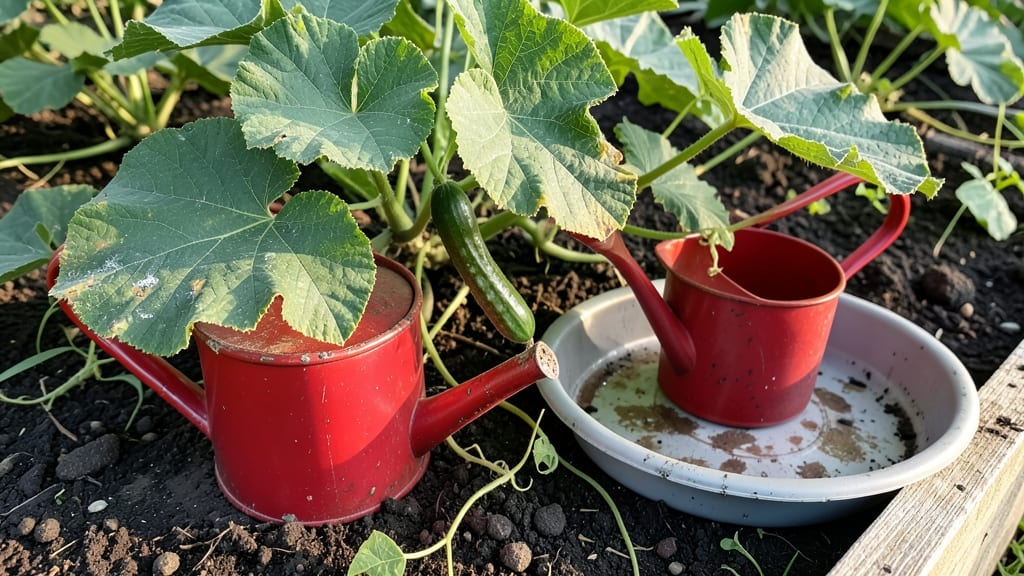
That droopy, overwatered cucumber plant in your garden isn’t a lost cause—it’s just begging for a quick rescue, and you can nurse it back to life in just 72 hours with these simple fixes. 🌱 The key is stopping the water first, then giving roots room to breathe again.
Yellowing leaves and mushy stems are your first red flags. Overwatered cucumbers often develop fungal issues too—powdery mildew or root rot can creep in when soil stays soggy for days. The fix starts with cutting back on water immediately and checking your pots or garden bed for proper drainage.
Within 3 days, you'll see new growth if you adjust watering to 1 inch per week (or less in humid climates) and improve airflow around the vines. Prune any blackened stems and add a handful of compost to help roots recover faster.
This works for both container gardens and in-ground plants—just watch for signs of stress after heavy rains. The secret is matching water to weather, not sticking to a rigid schedule. Your cucumbers will bounce back stronger than ever.
Root Causes Of Overwatering
When your cucumber plants start looking sad—yellow leaves, drooping vines, or mushy stems—it’s often a sign they’re drowning in their own moisture. But why does this happen? Overwatering isn’t just about pouring too much water; it’s a mix of environmental factors, soil behavior, and even plant biology.
Let’s break down the real reasons your cucumbers might be getting too wet.
Cucumbers thrive in well-draining soil, but if your garden beds or containers lack proper drainage, water pools around the roots instead of seeping away. This creates a waterlogged environment, cutting off oxygen and suffocating roots.
- Clay-heavy soil compacts easily, slowing water absorption and trapping moisture.
- Compacted garden beds (from foot traffic or machinery) prevent roots from spreading and aerating.
- Containers without drainage holes turn into makeshift bathtubs, keeping roots submerged.
Pro tip: 💡 Test your soil’s drainage by filling a jar halfway with soil, adding water, and timing how long it takes to drain. If it takes more than 30 minutes, amend with perlite, sand, or coconut coir to improve airflow.
Cucumbers have shallow roots and need consistent moisture, but that doesn’t mean daily drenching. Overzealous watering—especially in short bursts—can disrupt the soil’s moisture balance, leading to saturation.
- Frequent light watering keeps the topsoil wet without letting deeper layers dry, encouraging fungal growth.
- Watering at the wrong times (e.g., late evening) prevents evaporation, leaving roots soggy overnight.
- Ignoring weather changes—heavy rain followed by no adjustment—can overwhelm the soil’s capacity.
Pro tip: 🌡️ Water deeply 2–3 times per week (or when the top 1–2 inches of soil feel dry) rather than daily shallow sprinkles. Use a moisture meter or your finger to check soil depth.
Overwatering creates the perfect breeding ground for root rot and powdery mildew, fungal diseases that thrive in damp conditions. These pathogens clog root pores, blocking nutrient uptake and causing wilting.
- Phytophthora and Pythium (water molds) spread rapidly in saturated soil, rotting roots within days.
- Powdery mildew appears as white fuzzy patches on leaves, weakening the plant’s ability to photosynthesize.
- Bacterial soft rot turns stems mushy and black, often starting at the soil line.
Pro tip: ✨ If you spot fungal signs, reduce watering immediately and apply a copper fungicide or neem oil to affected areas. Space plants for better airflow to prevent recurrence.
Potted cucumbers are especially vulnerable because containers dry out faster, but poor watering habits can backfire. Common mistakes include:
- Overfilling pots with water that never drains, leading to stagnant roots.
- Using saucers without emptying them, creating a water reservoir that encourages rot.
- Small pots for sprawling vines limit root growth, making the plant more sensitive to moisture swings.
Pro tip: 🔥 For containers, use self-watering pots with drainage or elevate them on bricks to prevent waterlogging. Choose pots at least 12 inches deep for mature cucumber roots.
Understanding these triggers is the first step to fixing an overwatered cucumber plant. The good news? Most cases can be reversed with proper drainage, adjusted watering, and fungal control. Stay tuned for our next section on quick revival steps to bring your vines back to life!
Revive Your Cucumber Plants Fast
An overwatered cucumber plant can feel like a lost cause, but with the right steps, you can nurse it back to health in just a few days. The key is acting quickly—yellowing leaves, mushy stems, and moldy soil are red flags that demand immediate attention.
Below, we’ll tackle the most common causes of overwatering and provide clear, actionable fixes to save your vines. Plus, we’ll share pro tips to keep your cucumbers thriving long-term!
If your cucumber plant’s soil feels soggy or smells foul, it’s drowning in excess moisture. Root rot and fungal infections often follow, so drainage is your first priority.
Step-by-Step Revival:
- 👨🍳 Stop Watering Immediately
- Pause all watering for 24–48 hours to let the soil dry out. This breaks the cycle of constant moisture that fuels rot.
- 🔪 Improve Drainage
- Dig a small trench around the base of the plant to encourage excess water to flow away. For container-grown cucumbers, ensure pots have drainage holes and elevate them on saucers.
- 🌱 Loosen Compacted Soil
- Gently aerate the top 2–3 inches of soil with a fork or your fingers to help air circulate. Avoid disturbing roots deeply.
- 💧 Adjust Your Watering Routine
- Water only when the top 1–2 inches of soil are dry (stick your finger in to test). Early morning is best—it gives foliage time to dry before evening humidity sets in.
💡 Prevention Tips:
- 🌡️ Use a moisture meter to track soil conditions accurately.
- ✨ Add perlite or vermiculite to heavy soil to improve drainage.
- 🎯 Mulch with straw or wood chips to retain moisture without suffocating roots.
Overwatering often causes leaves to turn yellow or wilt because roots can’t absorb oxygen in waterlogged soil. Here’s how to revive them:
Step-by-Step Revival:
- 🌿 Trim Damaged Foliage
- Snip off yellow or brown leaves with clean scissors to redirect the plant’s energy to healthy growth.
- 🌡️ Boost Airflow
- Space plants 18–24 inches apart to reduce humidity around leaves. Use a small fan on low setting for 10–15 minutes daily to mimic wind and speed up evaporation.
- 💧 Water Deeply but Less Often
- When you water, soak the soil thoroughly (about 1–2 inches deep) but avoid shallow, frequent sprinkles. Aim for the base, not the leaves, to prevent fungal spores from splashing.
- 🍄 Treat Fungal Issues (If Present)
- If you spot white or black mold, sprinkle copper fungicide or a baking soda solution (1 tsp baking soda + 1 quart water + a few drops of dish soap) on leaves. Reapply every 7–10 days.
💡 Prevention Tips:
- 🔥 Choose disease-resistant cucumber varieties like ‘Straight Eight’ or ‘Marketmore 76’.
- 🌱 Rotate crops yearly to prevent soil-borne pathogens from building up.
- 🎯 Water at the base and avoid overhead sprinklers, especially in humid climates.
Once your cucumber plant is back on track, lock in healthy habits to avoid repeating the same mistakes. Here’s how to stay ahead:
🌱 Soil and Container Upgrades
- Test your soil’s drainage by filling a jar with soil and water, then timing how long it takes to drain.
Ideal soil should drain within 1–2 hours. - Repot if needed: If your container lacks drainage, transfer the plant to a larger pot with holes or a raised bed.
💧 Smart Watering Systems
- 🔥 Install a drip irrigation system or soaker hose to deliver water directly to roots at a controlled rate.
- 🌡️ Use self-watering pots with built-in reservoirs for consistent moisture without overdoing it.
🎯 Monitor Weather and Seasonal Shifts
- Adjust for rain: If your area gets frequent downpours, move containers to a covered spot or use a tarp to shield plants temporarily.
- 🌿 Reduce water in winter: Cucumbers grow slower in cooler months, so cut back on watering by 30–50%.
With these fixes, your cucumber plant should perk up within 3–5 days, and with consistent care, it’ll reward you with lush vines and bountiful harvests. Remember, prevention is easier than cure—so stay vigilant, and your garden will thank you!
Frequently asked questions
How can I tell if my cucumber plant is overwatered vs. underwatered?
Check the soil first—stick your finger 1-2 inches deep. If it's soggy and smells foul, you're overwatering. Look for yellowing leaves (especially lower ones), mushy stems, or white/black mold. Underwatered plants have crispy, brown edges and dry soil pulling away from pot edges. Pro tip: Weigh your pot—if it feels heavy, it's likely overwatered.
Can I save my cucumber plant if the stems are already black and mushy?
It depends on how deep the rot has spread. Prune away all blackened stems with clean scissors, then apply copper fungicide to prevent spread. If only the outer stems are affected, healthy inner growth may recover in 3-5 days. For severe cases, you might need to repot with fresh, dry soil. The key is stopping water immediately and improving airflow.
Why does my potted cucumber plant get overwatered so easily?
Containers dry out faster, but small pots (5 gallons or less) can't hold enough soil to regulate moisture. Without drainage holes, water pools at the bottom, suffocating roots. Use pots at least 12 inches deep with drainage, and elevate them on saucers (empty after watering). Self-watering pots help too—just monitor soil moisture closely.
How often should I water cucumbers after fixing overwatering?
Wait until the top 1-2 inches of soil feel dry (usually 2-3 times per week in summer). Water deeply—1-2 inches total—at the base, not leaves. Early morning is best. Use a moisture meter for accuracy, and adjust for rain: skip watering if you've had 0.5 inches of rain in the past 24 hours. Mulch helps maintain even moisture.
Will my cucumbers still produce fruit if I've overwatered them?
Yes, but recovery takes time. Healthy roots are key for fruit production—focus on reviving the plant first (stop watering, improve drainage, prune damaged leaves). Once roots recover (3-5 days), new growth and flowers will return. If flowers appear but drop off, it's often from stress—ensure consistent moisture after revival. Varieties like 'Straight Eight' are more resilient.