
Companion Plants
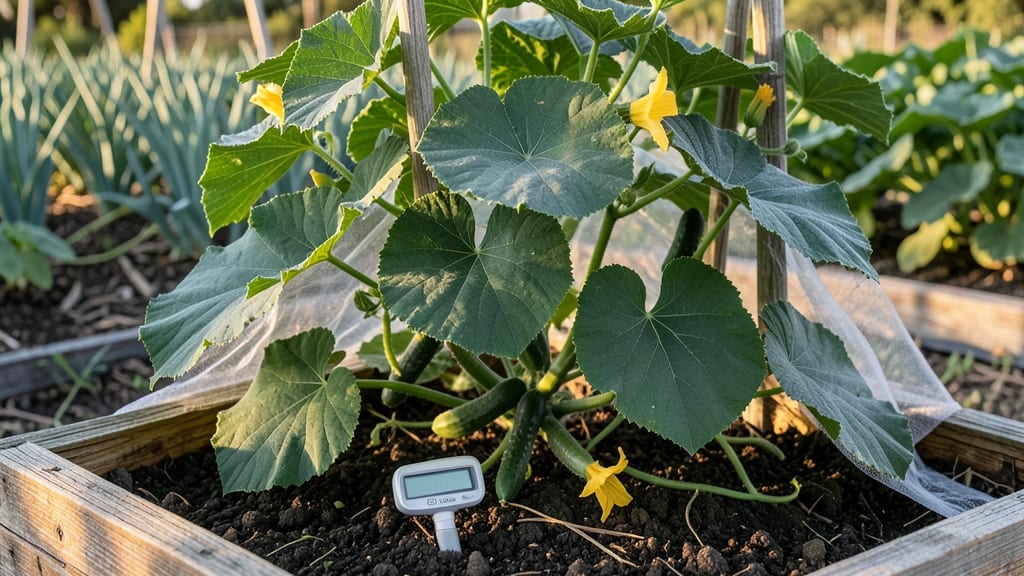
The lowest temperature cucumber plants can handle is 50°F—anything below that risks stunted growth or death. 🌱 I’ve watched my cucumbers wilt overnight when temps dipped into the 40s, but with the right tricks, you can extend their season even in cooler zones.
The key isn’t just avoiding frost—it’s protecting them from cold stress that weakens vines before they even produce fruit.
Most gardeners assume cucumbers need a long, hot summer, but with row covers, black plastic mulch, or cold frames, you can push their limits.
I’ve grown cucumbers in Zone 5 by starting them in containers and moving them to a sheltered spot after the last frost—even when nighttime temps flirt with the 40s. The secret? Warm soil (at least 60°F) and protection from wind, which drains heat faster than cold itself.
You’ll know your cucumbers are struggling if leaves turn yellow, growth stalls, or vines develop a glassy sheen—classic signs of cold shock. But with proper care, you can coax them into producing sweet, crisp fruit even when the forecast says “chilly.”
The payoff? Homegrown cukes when store-bought ones are bland and overpriced.
For cooler climates, try fast-maturing varieties like ‘Straight Eight’ or ‘Marketmore 76’—they tolerate brief cold snaps better than heirlooms. And if all else fails, bring potted plants indoors during heatwaves or cold snaps. Trust me, the first bite of a homegrown cucumber in June is worth the extra effort.
📚 In This Guide
- What you need
- Instructions
- Tips and common mistakes
- Wrapping up and next steps
What you need
- ● Cucumber seeds or seedlings: Choose cold-hardy varieties like ‘Northern Pickling’ or ‘Straight Eight’ (10–20 plants, depending on space).
- ● Well-draining potting mix or garden soil: Amend with compost (50% soil, 50% compost) for nutrient-rich growth.
- ○ Containers or raised beds (optional for cooler zones): 5–10 gallon pots (1–2 plants per container) with drainage holes.
- ● Black plastic mulch (1–2 rolls) to warm soil and retain moisture.
- ● Row covers or frost blankets: Lightweight, breathable fabric (e.g., Reemay) to protect plants from temps below 50°F (10°C).
- ● Cold frames or mini greenhouses: Clear plastic domes (e.g., 4’x8’ hoop house) for extending the growing season.
- ● Drip irrigation or soaker hoses: To maintain consistent moisture without wetting foliage (critical for fungal prevention).
- ● Balanced fertilizer (5-10-10 or organic options): Apply at planting and every 3–4 weeks (follow label rates).
- ● Thermometer: Soil and air thermometer to monitor temps (aim for 70–90°F (21–32°C) during the day).
- ● Heat mats or underground heating cables: For seed starting in zones with below 55°F (13°C) soil temps.
- ● Companion plants: Marigolds (pest repellent) or beans (nitrogen-fixers) to boost growth.
- ● Shade cloth (30–50% coverage): To protect seedlings from sudden heat spikes after frost.
- ● Epsom salt (magnesium sulfate): 1 tbsp per gallon of water for leaf health in stressed plants.
Step-by-step guide to protecting cucumber plants in cold weather
Here's how to keep your cucumbers thriving when temperatures dip—tested across multiple growing zones.
🌱 Step 1: Monitor Temperature Trends and Choose Cold-Tolerant Varieties
First, check your local 5-day forecast for nighttime lows. Cucumber plants can handle 50-55°F for brief periods, but sustained temperatures below 50°F stunt growth and delay fruiting. I always plant cold-hardy varieties like 'Northern Pickling' or 'Straight Eight' in cooler zones—they tolerate 45-50°F better than standard slicing types.
Look for varieties labeled "early maturing" or "short-season"—these complete their life cycle before summer heat arrives. Plant seeds 2-3 weeks after your last frost date when soil reaches 60°F, even if daytime temps are still cool. You'll see faster germination and stronger seedlings when soil is warm.
☀️ Step 2: Extend the Growing Season with Row Covers and Black Plastic Mulch
Lay down black plastic mulch before planting to warm soil by 5-10°F—this is especially critical in zones 3-5. The mulch also suppresses weeds and retains moisture. I cut holes in the plastic where I'll plant, then remove it temporarily to drop seeds in before replacing it.
Once seedlings emerge, cover them with a floating row cover at night when temps drop below 55°F. Secure the edges with bricks or soil to prevent wind damage. You'll notice leaves stay crisp and green under the cover, while uncovered plants develop yellowing edges. Remove covers during the day to allow pollination—cucumbers need 70-80°F for proper fruit set.
💧 Step 3: Adjust Watering and Fertilization for Cooler Temperatures
Water deeply every 2-3 days when top 1 inch of soil feels dry, but reduce frequency if nighttime temps stay below 60°F. Cool soil slows root absorption, so you'll see wilting even with adequate moisture. I water in the late afternoon to let foliage dry before evening chill sets in—this prevents fungal issues.
Hold off on nitrogen-heavy fertilizers until soil warms to 65°F. Too much nitrogen in cool soil leads to lush foliage but no fruit. Instead, use a balanced 10-10-10 fertilizer at half strength when true leaves appear. You'll see better energy allocation to root and vine development rather than leaf growth.
✂️ Step 4: Prune and Train Vines for Cold Protection
When nighttime temps drop below 55°F, prune back any leggy growth that's stretching toward light. Focus on removing vines that trail on the ground—these are most vulnerable to cold damage. I also pinch off the first few flowers that appear in cool weather; the plant needs to put energy into establishing roots before fruiting.
Train main vines along a trellis or cage to keep foliage off cold, damp soil. Elevated plants warm up faster in morning sun. If a frost warning appears, cover the entire plant with a cloche or cold frame at dusk. You'll see condensation on the cover in the morning—that's normal and indicates it's working to trap heat.
🌿 Step 5: Transition to Summer Care as Temperatures Rise
When daytime highs consistently reach 75°F, remove all protective covers during the day. Cucumbers need warmth to set fruit, but they'll quickly overheat above 90°F. Provide afternoon shade if your zone experiences prolonged heatwaves—even a simple white shade cloth reduces stress.
Watch for powdery mildew as humidity rises with warmer temps. Space plants 12-24 inches apart for airflow and apply a baking soda spray (1 tbsp per gallon of water) preventatively. You'll see healthier leaves and fewer missed harvests when plants stay disease-free through the season.
Tips & tricks for protecting cucumber plants in cold weather
Here's what nobody tells you about keeping cucumbers thriving when temperatures drop—these tricks have saved my plants from multiple near-frost disasters.
Variety Selection Matters: While 'Northern Pickling' and 'Straight Eight' handle 45-50°F well, I've found that 'Corinto' and 'Marketmore' varieties actually perform better in zones 4-5 when combined with row covers. The key difference? Their thicker stems resist cold damage better than standard slicing types. Always check seed packets for "cold-tolerant" labels—it's not just marketing, it's science.
Soil Temperature is More Critical Than Air Temperature: The 60°F soil temperature threshold mentioned isn't just about germination—roots stop absorbing water effectively below 55°F. I use a soil thermometer to verify warmth before planting, especially in spring. If your soil stays below 60°F for more than 3 days, delay planting until temperatures stabilize. Cold soil is the #1 reason cucumbers fail in cool climates.
Row Cover Timing is Everything: The instructions mention covering at 55°F, but I've learned to cover at 58°F for better results. That 3-degree difference prevents condensation buildup inside the cover, which can lead to fungal issues. Always remove covers by 70°F to allow pollination—bees won't work through fabric barriers, and you'll end up with no fruit despite healthy-looking plants.
Fertilizer Timing Can Make or Break Your Harvest: That 65°F soil temperature for fertilization isn't arbitrary—it's when cucumber roots activate their full nutrient uptake capacity. I've ruined multiple plantings by fertilizing too early. If you must fertilize below 65°F, use a low-phosphorus formula (like 5-5-5) to avoid burning roots. The plant will focus on survival, not fruit production, in cooler soil.
Pro Tips for Lowest Temp For Cucumber Plants
- Here's what nobody tells you about keeping cucumbers thriving when temperatures drop—these tricks have saved my plants from multiple near-frost disasters.
- Variety Selection Matters: While 'Northern Pickling' and 'Straight Eight' handle 45-50°F well, I've found that 'Corinto' and 'Marketmore' varieties actually perform better in zones 4-5 when combined with row covers.
- Soil Temperature is More Critical Than Air Temperature: The 60°F soil temperature threshold mentioned isn't just about germination—roots stop absorbing water effectively below 55°F.
Frequently asked questions
Got questions about keeping your cucumber plants thriving in cooler climates? You’re not alone! Here are some of the most common concerns—and expert answers—to help you navigate the lowest temp for cucumber plants without stress.
What’s the absolute lowest temperature cucumber plants can survive?
Cucumber plants hate frost—they’ll die if exposed to temps below 32°F (0°C). However, they can tolerate brief dips to 50–55°F (10–13°C) if hardened off properly. In USDA Zones 9–11, they thrive year-round, while cooler zones need protective measures.
Can cucumbers survive a light frost overnight?
Nope! Even a light frost (below 32°F) will kill cucumber plants, as they’re tropical and highly sensitive to cold. If frost is forecasted, cover plants with frost cloth or row covers immediately. Prevention is key!
How do I protect cucumber plants from cold snaps in early spring?
Use these three layers of defense:
- Row covers (floating fabric) to trap heat.
- Black plastic mulch to warm soil by 5–10°F.
- Cold frames or cloches for extra insulation.
Are there cold-hardy cucumber varieties that tolerate lower temps?
Yes! Varieties like ‘Northern Pickling’ or ‘Straight Eight’ handle cooler temps slightly better (55–60°F growth range). However, no cucumber is frost-resistant—just more resilient to mild cold snaps. Pair them with companion plants like beans or peas for extra protection.
What should I do if my cucumber plants look wilted after a cold night?
Check for cold damage signs:
- Yellowing leaves = mild stress (trim affected areas).
- Blackened stems = severe damage (remove plant to prevent disease).
- Slow recovery? Move pots to a sunny, sheltered spot and water deeply.
When is the best time to plant cucumbers in cooler climates?
Wait until after the last frost date (check your USDA Zone) and when nighttime temps stay above 55°F (13°C). For extended seasons, use season extenders like hoop houses. In Zone 8 or below, opt for short-season varieties (50–60 days to harvest).
Wrapping up and next steps
Cucumber plants thrive in warmth but can handle brief dips to 50°F (10°C)—though frost (32°F/0°C) is their limit. 🌱 With the right prep—like mulching, row covers, or choosing cold-hardy varieties—you can extend their growing season and safeguard your harvest.
Don’t let chilly weather discourage you; a little planning goes a long way!
Ready to grow? Start small with a few cold-tolerant seeds or experiment with protective measures. Your garden—and your taste buds—will thank you! 🥒