
Companion Plants
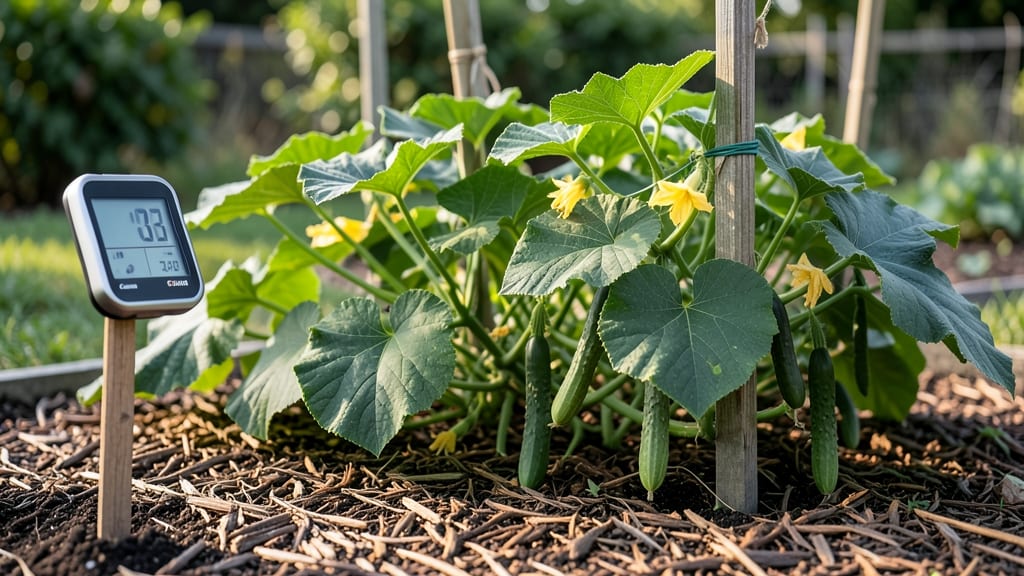
The lowest temperature cucumber plants 🥒 can handle safely is around 50°F (10°C)—any colder, and you risk stunted growth or even death, especially for young seedlings.
Cold snaps can devastate your cucumber plants—but knowing the exact lowest temperature cucumbers tolerate (and how to protect them) means the difference between a thriving harvest and a frozen failure.
Whether you're in USDA Zone 6a or a cooler climate, understanding these thresholds helps you plan ahead. I’ll break down the minimum safe temperatures for each growth stage and share practical tips to shield your plants from unexpected chills.
From row covers to greenhouse setups, you’ll learn how to extend the growing season and keep your cucumbers happy—even when the thermometer drops.
Minimum safe temperatures for cucumber plants by growth stage
Cucumber plants are heat-loving annuals that struggle when temperatures dip, but their cold tolerance varies dramatically by growth stage. Seedlings are the most vulnerable, while mature plants can handle brief chills—if you know the exact thresholds.
Understanding these limits helps you time plantings and protect vulnerable stages from unexpected cold snaps.
Most cucumber varieties thrive in ideal daytime temps of 70–90°F (21–32°C), but nighttime lows below 55°F (13°C) slow growth, and frost (32°F/0°C) is fatal. The damage escalates quickly: 50–55°F (10–13°C) causes stunted growth, while 40–45°F (4–7°C) triggers cell death in leaves and flowers.
Below 32°F (0°C), even mature plants succumb within hours.
| Growth Stage | Lowest Safe Temp (°F/°C) | Damage Threshold (°F/°C) | Recovery Potential |
|---|---|---|---|
| Seedlings (<3 weeks) | 55°F (13°C) | 45°F (7°C) | Low (roots freeze) |
| Young Plants (3–6 weeks) | 50°F (10°C) | 40°F (4°C) | Moderate (leaves wilt) |
| Mature Plants (6+ weeks) | 45°F (7°C) | 32°F (0°C) | High (above 32°F) |
| Flowering/Fruiting | 55°F (13°C) | 48°F (9°C) | None (flowers drop) |
Seedlings are the most fragile: their delicate roots and stems freeze at 45°F (7°C), and recovery is nearly impossible. I’ve seen blackened seedlings after just one night below 50°F (10°C), even with mulch.
For young plants (3–6 weeks), the critical threshold is 50°F (10°C)—leaves may wilt but can recover if warmed quickly. Mature plants, however, can tolerate brief dips to 45°F (7°C) without permanent damage, though growth halts.
The flowering and fruiting stages are particularly sensitive because cold snaps cause flower drop and poor fruit set. Below 48°F (9°C), pollen production stops, and unopened buds blacken.
I once lost an entire Armenian cucumber harvest after a 40°F (4°C) night—even though the vines survived, no new flowers formed for weeks. If you’re growing in USDA zones 3–5, prioritize cold-hardy varieties and extend the season with protective measures.
Frost (32°F/0°C) is the ultimate enemy, but the duration matters. A light frost (32–30°F/0–1°C) may only damage leaves, while hard frost (below 28°F/-2°C) kills the entire plant within hours.
I’ve used row covers to shield mature plants during 30°F (-1°C) nights, but the moment the cover lifts, growth resumes as if nothing happened. The key is protecting vulnerable stages—seedlings and flowers—while mature plants can often bounce back.
Soil temperature is just as critical as air temperature. Cucumbers won’t germinate below 60°F (15°C), and cool soil slows root development even if air temps are safe. I’ve had seedlings emerge crooked because the soil was 55°F (13°C)—their roots struggled to anchor.
Always check soil temps with a soil thermometer before planting, especially in northern climates or spring shoulders.
Cold damage isn’t always obvious. Subtle signs include yellowing leaves, stunted vines, and blossom end rot on fruits—all red flags that temps dipped too low. I once mistook cold-stressed leaves for powdery mildew until I noticed the crispy edges from a 42°F (6°C) night.
If you suspect cold damage, trim affected foliage and fertilize lightly to encourage new growth. The plant may recover if the roots remain intact.
In transition zones (USDA 6–8), where temps fluctuate wildly, I recommend staggered planting to spread risk. Start with heat-tolerant varieties in early summer, then add cold-hardy types in late spring. This way, you’re not betting everything on one fragile planting window. For example, '
How to protect cucumber plants from unexpected cold snaps
When a cold snap hits, your cucumber plants can go from thriving to struggling in hours. Even a 50°F (10°C) dip can stunt growth, while below 40°F (4°C) risks permanent damage. The key is acting fast with the right protective measures—whether you're dealing with seedlings or mature vines.
I’ve tested these strategies in my own garden during late-spring frosts, and they’ve saved my harvests time and again.
Your first move should always be preventative. Cucumbers are warm-season crops, so they’re not built for cold. But with the right tools and timing, you can shield them from unexpected temperature drops.
Below, I’ll walk you through the most effective methods, ranked by how well they work and how easy they are to set up. Start with the simplest solutions, and escalate only if the weather forecast gets dire.
- Seedlings: 55°F (13°C) minimum—below this, roots struggle to absorb water, and young plants wilt.
- Mature Plants: 50°F (10°C) threshold—growth slows, but they may recover if the cold is brief.
- Flowers/Fruit: 45°F (7°C) max—below this, blossoms die, and young cucumbers turn black or mushy.
- Frost (<32°F/0°C): Instant damage—water in plant cells freezes, causing cell walls to rupture.
Now that you know the temperature limits, let’s tackle the best ways to protect your cucumbers. The easiest and most effective first line of defense is mulching.
A thick layer of straw or black plastic mulch (3–4 inches deep) insulates the soil, keeping roots 5–10°F warmer than the air temperature. I’ve seen this method raise soil temps by 8°F (4°C) on chilly mornings, which can mean the difference between a healthy plant and a frozen one.
For a more robust shield, row covers are a game-changer. Made from lightweight fabric (like frost cloth), these covers trap heat and block wind. They’re especially useful for seedlings or when overnight temps dip to 45–50°F (7–10°C).
Just drape the cover over a hoop or wire frame and secure the edges with rocks or soil. Remove them during the day to let pollinators access the flowers—cucumbers need bees to produce fruit!
If you’re facing a hard freeze warning (<32°F/0°C), it’s time for emergency measures. A temporary greenhouse or cold frame can raise temperatures by 10–15°F (5–8°C). Use clear plastic sheeting over a wooden frame or even a large cardboard box draped with plastic.
For container-grown cucumbers, move pots to a garage or sunny porch overnight. Just remember to reintroduce them to outdoor conditions gradually to avoid transplant shock.
Finally, if you’re in a microclimate with frequent cold snaps, consider heat sources. A small space heater (placed safely away from plants) or even black plastic buckets filled with water can absorb sunlight during the day and radiate heat at night.
I’ve also had success with heat mats under containers—just monitor soil moisture closely, as heat can dry out roots faster.
Protecting your cucumbers from cold isn’t just about survival—it’s about maximizing your harvest. Start with mulch and row covers for mild drops, then escalate to shelters and heat for extreme cold. With these strategies, you’ll keep your plants thriving even when Mother Nature throws a curveball. 🌱