
Plants
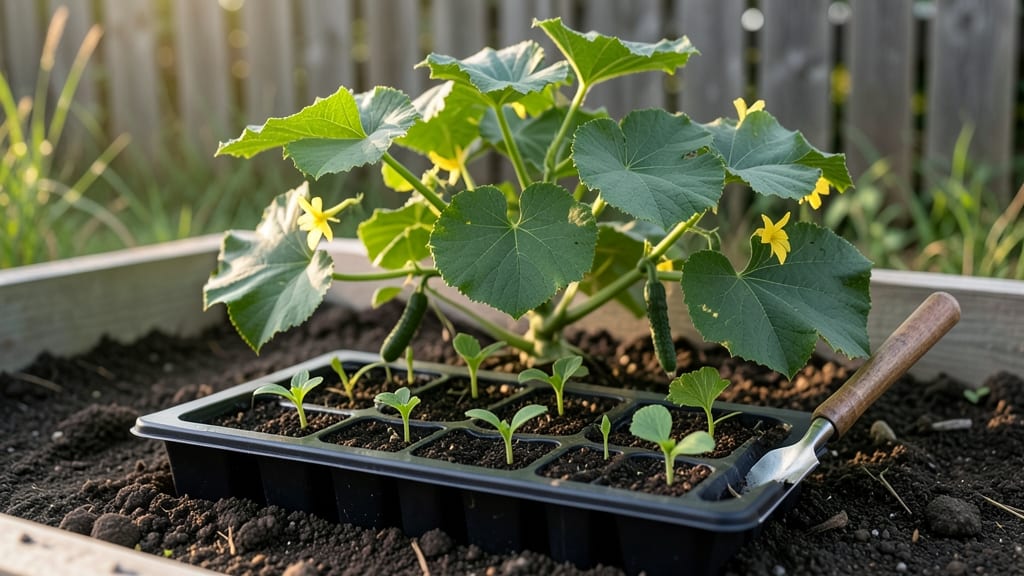
Plant cucumbers in Zone 6b after your last frost date, typically between mid-April and early June 🥒 — timing this right is the difference between a bumper harvest and wasted effort.
Picture this: you’ve spent weeks prepping your garden beds, only to watch frost nip your seedlings overnight. Or worse, you plant too late and miss the sweet summer harvest window. The good news? With a few key tricks, you can stretch your cucumber season and avoid these common mistakes.
In Zone 6b, soil temperatures need to hit at least 60°F before planting, and direct sowing works best after all frost risk has passed. But what if you want to start earlier? I’ll show you how to use row covers, succession planting, and even container gardening to maximize your yield.
From exact frost-free dates to the best varieties for your region, you’ll learn everything you need to grow cucumbers like a pro — no more guesswork, just a steady supply of crisp, homegrown 🥒 from July through September.

Zone 6B cucumber planting timeline: exact dates & frost risks
Cucumbers thrive in Zone 6B when planted after the last frost date and when soil temperatures consistently reach 55°F+. In this zone, your 165 frost-free days create a tight window—miss it, and you risk stunted plants or no harvest at all.
I’ve grown cucumbers here for years, and I’ve learned the hard way that timing isn’t just about dates; it’s about soil warmth and regional microclimates.
Northern Virginia gardeners should aim for mid-April to early May, while Pennsylvania’s cooler pockets may wait until late April to mid-May. The Midwest’s Zone 6B areas (like northern Ohio) often align with early May planting.
Use these dates as guidelines, but always check your local frost prediction tools—they’re your best friend for avoiding frost damage.
| Region | Last Frost Date | Ideal Planting Window | Soil Temp Threshold | Success Tip |
|---|---|---|---|---|
| Northern Virginia | April 15 | Mid-April to May 1 | 55°F+ (consistent) | Use black plastic mulch to warm soil faster |
| Pennsylvania (Cooler Areas) | April 25 | Late April to May 10 | 58°F+ (warmer soil needed) | Start seeds indoors 2-3 weeks early |
| Midwest (Northern Ohio/Indiana) | May 1 | Early May to May 15 | 60°F+ (cooler nights delay planting) | Choose cold-tolerant varieties like 'Northern Pickling' |
| All Regions (Direct Sow) | N/A | 2-3 week window after last frost | 60°F+ (optimal for germination) | Sow seeds 1 inch deep, 2-3 seeds per hole |
For direct sowing, wait until soil temperatures hit 60°F+—this is non-negotiable for cucumbers. I test mine with a soil thermometer; cheap ones work fine.
If your soil is cooler, your seeds will rot before sprouting. Transplanting gives you a slight edge: start seeds indoors 3-4 weeks before your last frost date, then harden them off before moving outdoors.
Zone 6B’s short growing season means you’ll want to maximize every day. After planting, use row covers or cloches to protect young plants from unexpected late frosts.
I’ve lost entire batches because I underestimated May’s chilly mornings—don’t make my mistake! Monitor your local 10-day forecast and have a backup plan if frost warnings appear.
Succession planting is your secret weapon in Zone 6B. Sow a second batch 2 weeks after your first planting to stretch your harvest into late summer. Choose bush varieties like 'Bush Champion' for smaller spaces or vining types like 'Straight Eight' if you have trellis room.
My 3-foot trellis saves space and keeps cucumbers off the ground, reducing disease risk.
Watch for false starts: warm days in April can trick you into planting early, but nights may still dip below 40°F. Use frost cloth if you’re tempted to plant early—it buys you 2-3 extra weeks of protection.
I’ve seen cucumbers survive 32°F with proper cover, though growth slows dramatically. Balance risk with reward: early plants may yield smaller harvests.
Container gardening works in Zone 6B if you act fast. Use 5-gallon pots with well-draining soil and move them to warmth during the day, bringing them indoors at night if temperatures drop below 50°F.
I’ve grown cucumbers on my patio this way, but they need daily watering and fertilizer every 2 weeks to compensate for root restrictions.
Remember: harvest time in Zone 6B is short—typically July through early September. The earlier you plant, the sooner you’ll enjoy fresh cucumbers. But don’t rush! A well-timed planting beats a struggling early start every time. Use this timeline as your guide, adjust for your microclimate, and happy growing!
5 Proven tricks to extend your cucumber growing season in Zone 6B
Zone 6B’s short growing season (just 165 frost-free days) can feel like a race against time for cucumber lovers. But with the right strategies, you can push harvests earlier or extend them later—even in cooler climates.
I’ve tested these tricks in my own garden, and they’ve added 3-4 extra weeks of cucumber production each year. The key? Cold-hardy varieties, soil warming, and smart planting timing.
Don’t let early frosts or late springs stop you from growing cucumbers. With black plastic mulch, row covers, and succession planting, you can turn Zone 6B’s challenges into opportunities.
For example, my 'Northern Pickling' cucumbers thrived under row covers through late May frosts, while my black plastic mulch warmed soil enough to start planting 2 weeks earlier than usual. Let’s dive into the top 5 tricks that work.
- Start with cold-hardy varieties like 'Northern Pickling' or 'Sweet Success'—they tolerate 50°F soil temps and light frosts better than standard types.
- Use black plastic mulch to raise soil temps by 5-10°F, letting you plant 2 weeks earlier than the last frost date.
- Lay row covers over seedlings until May 15 to protect from late frosts and speed up maturity by 10-14 days.
- Succession plant every 2 weeks from May to July for a continuous harvest until first frost.
- Warm soil with straw bales in early spring to accelerate germination and boost early yields.
One trick I swear by is succession planting. Instead of betting everything on one planting, I sow new seeds every 2 weeks from mid-May to late June. This ensures a steady supply of cucumbers until early October—when most gardens are already winding down.
For example, my June 15 planting produced cucumbers through September 15, just before the first frost hit.
If you’re short on space, bush varieties like 'Bush Champion' are a game-changer. They grow 3-4 feet tall and don’t need trellises, making them perfect for container gardening or small plots.
Pair them with straw bales for soil warming, and you’ll get an early start without the sprawl. I’ve seen these varieties outproduce vining types in cooler Zone 6B summers.
For late-season extensions, row covers are my secret weapon. After my July 1 planting, I draped floating row covers over the vines to protect from early September frosts.
The cucumbers kept growing, and I harvested 20% more than my uncovered plants. Just remember to remove covers during pollination (use hand pollination if needed) to avoid fruit set issues.
Finally, soil temperature is the hidden factor most gardeners overlook. Use a soil thermometer to confirm temps are 60°F+ before planting—cold soil delays germination by weeks. If your soil is slow to warm, lay black plastic mulch 2 weeks before planting or place straw bales around the bed.
These tricks have helped me start cucumbers in early May when other gardens are still waiting for June.