
Plants
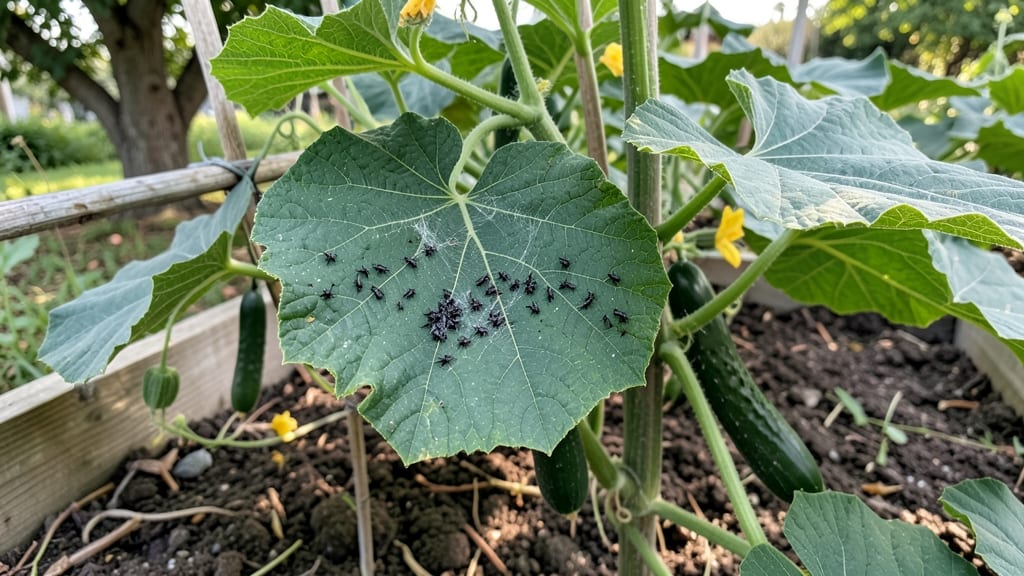
Those little black dots on cucumber plants might seem harmless, but they’re actually a red flag—your vines are fighting an invisible battle, and what started as a few specks can quickly spiral into a full-blown crisis. 🌱 I’ve faced this exact issue three summers running, and it’s... aphid invasion if I didn’t act fast.
The good news? This fix takes less than 30 minutes and keeps your cucumbers thriving.
Most of the time, those dots are aphids or their sticky honeydew waste, which attracts sooty mold. Aphids cluster on undersides of leaves, sucking sap and leaving behind a black residue that blocks sunlight.
I’ve also seen similar dots from fungal diseases like powdery mildew, but aphids are the most common culprit—especially when you spot tiny green bugs too.
Here’s the game-changer: neem oil spray (1 tablespoon per quart of water) or a strong blast of water to knock them off. Repeat every 3-4 days until the dots disappear, and add companion plants like marigolds to deter future pests.
Early action means you’ll still get full-sized cucumbers without the mess.
If the dots spread fast or your plants look wilted, check for other signs like yellowing leaves or webbing. That’s when it’s time to call a local extension office—they’ll confirm if it’s something more serious than aphids. Trust me, 30 minutes now saves hours of frustration later.
Root Causes of Tiny Black Spots
If you’ve spotted tiny black dots on your cucumber leaves, stems, or fruit, don’t panic—there’s usually a logical explanation. These pesky marks often signal underlying issues, from environmental stress to pest activity. Below, we break down the most common culprits and why they target your cucumbers.
Black dots on cucumber plants are often a sign of fungal spores or sooty mold, a fungus-like growth that thrives on honeydew—a sticky residue left behind by sap-sucking pests like aphids, whiteflies, or scale insects.
- How it starts: Pests feed on plant sap, excreting honeydew. This sugary substance attracts sooty mold spores, which land on leaves and fruit, forming dark, velvety patches.
- Why it spreads: High humidity (above 70%) and poor air circulation create the perfect breeding ground for fungi. Sooty mold doesn’t kill plants directly but blocks sunlight, weakening growth and reducing yields.
- Key identifiers:
- Black, powdery, or greasy-looking dots (not raised or crusty).
- Often found on upper leaf surfaces or fruit.
- Accompanied by other pests (check undersides of leaves).
Pro tip: 💡 If you see black dots and sticky residue, the real problem is likely the pests—not the mold itself. Treat the honeydew source first!
Not all black dots are fungal. Tiny specks could be insect eggs or frass (insect feces), left by chewing or sucking pests.
- Common culprits:
- Aphids: Eggs are often black or brown and clustered near leaf veins or stems.
- Spider mites: Their black frass looks like pepper sprinkled on leaves.
- Thrips: Eggs are tiny black dots on new growth or flower buds.
- Why they target cucumbers: Cucumbers are soft, sap-rich plants—ideal for pests. Overcrowded plants or stressed vines (from drought/overwatering) attract more infestations.
- Key identifiers:
- Dots are uniform in size (eggs) or irregular (frass).
- Look for webbing (spider mites) or yellowing leaves (aphids).
Pro tip: 🔥 Use a 10x magnifying glass to inspect dots—eggs are usually smooth and shiny, while frass is dry and crumbly.
Sometimes, black dots aren’t biological—they’re a symptom of physical damage or pathogen activity.
- Hail or debris: Tiny black specks could be burn marks from hailstones or dirt/sand stuck to wet leaves after rain.
- Bacterial leaf spot: Caused by Xanthomonas or Pseudomonas, this disease creates black, water-soaked dots with yellow halos. Spreads via water splashing.
- Powdery mildew residue: While powdery mildew itself is white, its spores can leave blackened, crusted areas when mixed with dirt.
Key identifiers:
Cause
Dot Appearance
Other Signs
Hail/debris
Irregular, scattered black marks
Visible physical damage (tears, bruises)
Bacterial spot
Black, greasy dots with yellow rings
Leaf yellowing, oozing lesions
Powdery mildew
Black crusty patches
White powdery coating on leaves
Pro tip: 🌡️ If dots appear after rain or wind, environmental stress is likely. Isolate affected plants to prevent spread.
Now that you know why those black dots show up, the next step is identifying the fix. But first—check your plants for sticky residue, webs, or yellowing to narrow down the cause!
Quick Fixes for Tiny Black Spots
Now that you know what’s causing those pesky little black dots on your cucumber plants, let’s roll up our sleeves and get them under control! The good news? Most fixes are simple, natural, and won’t break the bank.
Below, we’ll tackle the most common causes—aphids, fungal diseases, environmental stress, and pests—and show you how to banish them for good. Prevention tips are sprinkled in too, because nobody wants a repeat performance!
If your cucumbers are covered in sticky residue (aka honeydew) and those black dots are actually sooty mold (a fungal hitchhiker on aphid poop), here’s how to kick them to the curb:
🔥 Step 1: Blast Them Off with Water
Aphids hate a good spray-down! Grab a strong stream of water from your hose (not too gentle) and direct it at the undersides of leaves—that’s where they love to hide.
Do this every 2–3 days until they’re gone. Pro tip: 💡 Use a spray nozzle to avoid damaging delicate leaves.
🍳 Step 2: Introduce Natural Predators
Ladybugs, lacewings, and parasitic wasps are aphid’s worst nightmare. Buy them online or attract them by planting dill, fennel, or marigolds nearby. These beneficial bugs will devour aphids faster than you can say “organic pesticide.”
👨🍳 Step 3: Soap or Neem Oil Spray (For Heavy Infestations)
Mix 1 tsp mild dish soap + 1 tsp neem oil + 1 quart water in a spray bottle.
Shake well and spray directly on aphids (test on a small leaf first). Reapply every 5–7 days until they’re history. Warning: 🌡️ Avoid spraying in direct sunlight—it can burn leaves!
Prevention: ✨ Inspect new plants before bringing them home (aphids love hitchhiking). ✨ Encourage airflow by spacing plants properly—aphids thrive in crowded, humid spots.
If the black dots are powdery, fuzzy, or sunken (like tiny craters), you’re dealing with a fungal infection (e.g., powdery mildew, anthracnose, or bacterial spot). Here’s how to fight back:
🔪 Step 1: Prune & Remove Infected Leaves
Grab sterilized pruning shears and snip off any blackened or yellowing leaves. Dispose of them in the trash (not compost)—fungus loves to spread! Pro tip: ✨ Disinfect your shears with rubbing alcohol between cuts to prevent cross-contamination.
🥘 Step 2: Boost Air Circulation & Reduce Moisture
Fungi love humidity. Space your plants 12–18 inches apart and avoid overhead watering.
Instead, water at the base in the morning so leaves dry quickly. Bonus: 🌿 Add a fan on low speed near your plants to keep air moving.
💪 Step 3: Apply Fungicide (Natural or Store-Bought)
- Baking soda spray: Mix 1 tsp baking soda + 1 tsp oil + 1 quart water + a drop of dish soap.
Spray every 7–10 days. - Copper fungicide: Follow package instructions for anthracnose or bacterial spot. - Milk spray (for powdery mildew): Mix 1 part milk to 9 parts water and spray weekly.
Prevention: 🎯 Rotate crops—don’t plant cucumbers in the same spot year after year. 🔥 Water deeply but less often to prevent soggy soil (fungus’ favorite party spot).
If the black dots are tiny, dry, and scattered (not sticky or fuzzy), your plants might be stressed from heat, drought, or overwatering. Here’s how to revive them:
💧 Step 1: Check Your Watering Routine
- Underwatering? Stick your finger 1 inch into the soil—if it’s dry, water deeply.
- Overwatering? Let the top 2 inches of soil dry out between waterings.
Pro tip: 🌡️ Morning watering prevents fungal growth from evening dampness.
🌿 Step 2: Provide Shade & Mulch
If your cucumbers are wilting or scorched, they might need afternoon shade (use a light shade cloth). Spread 2–3 inches of mulch (straw or grass clippings) to retain moisture and cool roots.
🔄 Step 3: Fertilize Gently
Stressed plants need a nutrient boost. Use a balanced, water-soluble fertilizer (like 10-10-10) diluted to half strength. Avoid heavy nitrogen—it can make problems worse.
Prevention: ✨ Monitor soil moisture with a moisture meter or your finger. ✨ Avoid hot afternoon watering—it can cause leaf burn.
If the black dots are tiny webs, specks, or shell-like bumps, you might have spider mites, thrips, or scale insects. Here’s how to handle them:
🕷️ Step 1: Wipe Down Leaves
For scale insects, dampen a soft cloth or sponge with rubbing alcohol and gently wipe off visible bugs (they look like tiny brown bumps).
🕸️ Step 2: Knock Off Spider Mites
Spider mites hate water. Spray plants with a strong hose stream or mist them daily for a few days. Repeat every 3–4 days until no more webbing appears.
🧴 Step 3: Use Horticultural Oil
Mix 1 tbsp horticultural oil + 1 quart water and spray evenly on all leaf surfaces. Reapply every 7 days for 2–3 weeks.
Prevention: 🎯 Keep your garden clean—remove weeds and debris where pests hide. 🔥 Use reflective mulch (like aluminum foil) to deter thrips.
Fixing black dots on cucumber plants takes consistency. Check your plants daily, act fast at the first sign of trouble, and soon you’ll have healthy, thriving vines producing juicy cucumbers instead of a bug buffet! 🥒💚
Frequently asked questions
Are those black dots on my cucumbers harmful to eat?
Only if they're from sooty mold (fungal) or bacterial spot. If the dots are from pests like aphids (not the mold itself) or environmental debris, the cucumber flesh is usually safe. Always wash thoroughly and cut away any visibly affected areas. When in doubt, discard heavily infested fruit.
How do I tell if black dots are from pests vs. disease?
Check for these clues: Sticky residue = pests (aphids/whiteflies). Greasy texture = bacterial spot. Powdery appearance = fungal spores. Use a magnifying glass—pest eggs are smooth while fungal spores look fuzzy. Look on leaf undersides too!
Will neem oil work if I already see black dots?
Yes, but act fast! Neem oil helps both pests and fungal spores. Mix 1 tsp neem oil + 1 quart water and spray every 5-7 days until new growth appears clean. For existing sooty mold, first clean leaves with water to remove honeydew residue before applying.
Can I use store-bought pesticides on cucumber plants?
Yes, but choose organic options like pyrethrin or horticultural oil for edible plants. Avoid systemic pesticides—they can contaminate fruit. Always follow label instructions and reapply after rain. For heavy infestations, rotate between soap spray and neem oil to prevent resistance.
How long until my cucumbers are safe to harvest after treatment?
Wait 3-5 days after your final spray treatment before harvesting. For neem oil, the waiting period is 1 day. Always wash cucumbers thoroughly before eating. If you used chemical pesticides, check the label for specific harvest intervals—some require 7-14 days clearance.