
Pests and Diseases
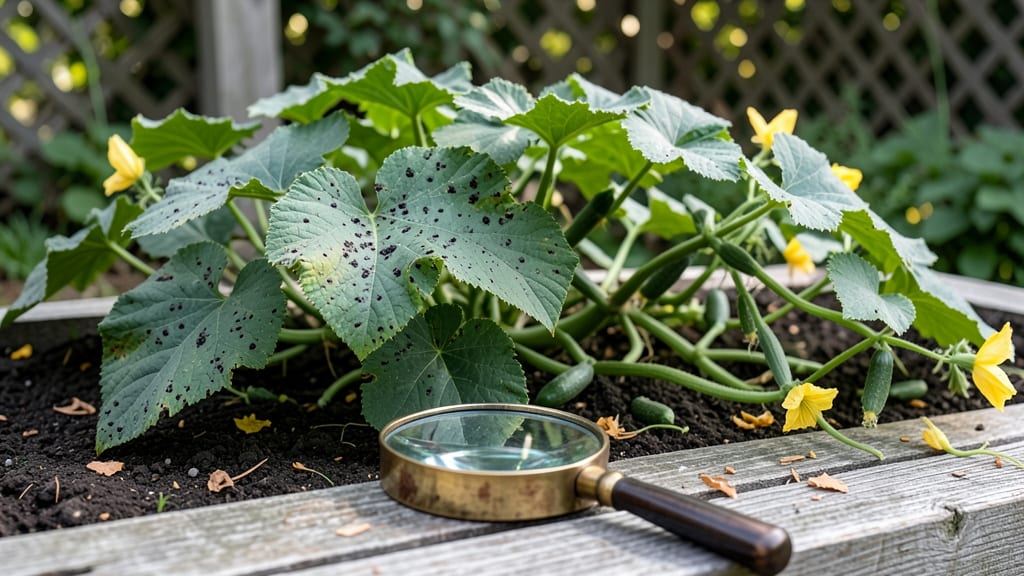
Black dots on cucumber leaves are never a good sign—but they’re usually fixable. 🌱 I’ve seen this problem ruin entire harvests when ignored, but with the right approach, your plants bounce back stronger than ever.
The good news? Most cases boil down to aphids, fungal spores, or environmental stress, and all of them respond to targeted action.
Here’s the thing—aphids are the #1 culprit, leaving behind sticky residue that looks like black dots when dusted with soot from sap-sucking pests. Fungal issues like powdery mildew or bacterial leaf spot can also create similar speckling, while overwatering or poor airflow just makes everything worse.
The key is identifying which one you’re dealing with before treating it.
You’ll tackle this in three simple steps: first, confirm whether it’s pests or disease (a quick inspection with a magnifying glass helps), then apply the right organic fix (neem oil for aphids, copper spray for fungus), and finally, adjust your care routine to prevent a repeat.
Most plants recover within 7-10 days with consistent treatment.
This works for greenhouse cucumbers, container plants, or backyard vines—just scale the solution to your setup. The worst that can happen is you lose a few leaves, but the harvest stays safe if you act fast. Let’s get those leaves clean and your cucumbers thriving again.
Root Causes Behind Leaf Spots
Black dots on cucumber leaves aren’t just an eyesore—they’re often a telltale sign that something’s amiss in your garden. Understanding the why behind these spots is the first step to restoring your plants to full, healthy glory.
Below, we break down the most common culprits, from microscopic invaders to environmental stressors, and explain how they trigger those pesky dark speckles.
Fungi like Alternaria or Colletotrichum thrive in warm, humid conditions and can leave behind tiny black dots—often surrounded by yellowing or dead tissue. These pathogens:
- Spores land on leaves during rain or overhead watering, germinating in damp conditions.
- Block sunlight absorption by coating leaf surfaces, weakening photosynthesis.
- Spread rapidly if humidity stays above 70% for prolonged periods.
Pro Tip: 🌡️ Check for black specks on the undersides of leaves—a classic fungal signature. Prune infected foliage immediately and avoid watering at dusk to reduce humidity.
Insects like spider mites, aphids, or even fungal gnats can leave behind black fecal spots or sooty mold (a black, powdery residue from their honeydew secretions). Here’s how they do it:
- Aphids and mites pierce leaves, injecting toxins that cause stippling (tiny black or brown dots).
- Honeydew (their sticky waste) attracts sooty mold, which smothers leaves in a velvety black film.
- Overcrowding accelerates damage—check leaf undersides for webs or clusters of tiny pests.
Pro Tip: ✨ Use a 10x magnifying glass to spot mites (they’re microscopic!). Blast them off with water or introduce ladybugs as natural predators.
Not all black dots are biological. Environmental factors like heat stress, nutrient deficiencies, or physical damage can also trigger them:
| Cause | How It Happens | Actionable Fix |
|---|---|---|
| 🔥 Sunscald | Intense sunlight burns leaf edges, creating crusty black spots. | Provide shade cloth (30-50%) during peak sun (10 AM–4 PM). |
| 💧 Overwatering | Waterlogged soil suffocates roots, leading to black, mushy leaf spots. | Let soil dry 1 inch deep between waterings. Improve drainage with perlite. |
| 🍃 Nutrient Deficiency | Low magnesium (chlorosis) or manganese can cause interveinal blackening. | Fertilize with Epsom salt (1 tbsp/gallon) or a balanced 10-10-10 mix. |
Pro Tip: 🔍 If spots appear only on older leaves, it’s likely a deficiency. Test soil pH—fungi and pests thrive in acidic (below 6.0) or alkaline (above 7.5) soil.
Overzealous fertilizing—especially with high-nitrogen or copper-based products—can cause blackened leaf tips or speckling. Here’s why:
- Salt buildup from synthetic fertilizers burns leaf tissue, creating crusty black patches.
- Copper toxicity (from fungicides or soil amendments) leads to dark, necrotic spots.
- Improper pH balance locks out nutrients, stressing plants into producing abnormal pigmentation.
Pro Tip: 💡 Flush soil with water if you suspect fertilizer burn. Switch to organic compost or fish emulsion for gentler nutrition.
How to Fix It Naturally
Now that you’ve identified the culprit behind those pesky black dots on your cucumber leaves—likely aphids, fungal spores, or environmental stress—it’s time to take action. The good news?
Most solutions are simple, cost-effective, and chemical-free. Below, we’ve mapped out targeted fixes based on the root cause, along with prevention tips to keep your cucumbers thriving.
If aphids or mites are the culprits, act fast to prevent them from spreading. Here’s how:
🍳 Spray Off Pests with Water (Gentle but Effective)
- How to do it: Use a strong stream of water from your hose to blast aphids off leaves.
Focus on the undersides (their favorite hiding spot!). - Best time: Early morning or late afternoon to avoid shocking the plants. - Pro tip: 💡 Repeat every 2–3 days until pests are gone. Aphids reproduce quickly!
👨🍳 Introduce Natural Predators (Eco-Friendly Boost)
- Ladybugs, lacewings, and parasitic wasps love aphids! Purchase them online or attract them by planting dill, fennel, or marigolds nearby.
- Bonus: These predators won’t harm your cucumbers—they’re aphid buffets!
🥘 Neem Oil Spray (Fungal & Pest Double Duty)
If fungal spores (like black spot) are the issue, neem oil is a powerhouse.
- Mix: 1 tbsp neem oil + 1 tsp mild soap (like Castile) + 1 quart water.
- Spray: Coat both sides of leaves and the stems.
Reapply every 7–10 days. - ⚠️ Warning: Avoid spraying in direct sunlight (can burn leaves).
Black dots often signal stress—fix these common triggers:
| Issue | Fix | Prevention Tip |
|---|---|---|
| Overwatering | Let soil dry 1 inch deep between waterings. Use a moisture meter. | Plant in well-draining soil with sand/perlite. |
| Poor Airflow | Space plants 12–18 inches apart and prune nearby foliage. | Use a small fan on low setting near plants. |
| Nutrient Deficiency | Fertilize with balanced 10-10-10 or compost tea. | Test soil before planting—amend with compost. |
| High Humidity | Space plants farther apart or use a dehumidifier in greenhouses. | Water early in the day so leaves dry quickly. |
Healthy cucumbers resist pests and disease better. Try these proactive strategies:
- 💡 Companion Planting: Interplant cucumbers with basil, nasturtiums, or garlic—these repel pests naturally.
- 🎯 Mulch Like a Pro: Apply straw or grass clippings to retain moisture and block fungal spores from splashing up.
- 🌱 Rotate Crops: Avoid planting cucumbers (or squash family plants) in the same spot yearly to break disease cycles.
If black dots persist after 2 weeks of treatment or spread rapidly:
- Check for mites (use a magnifying glass—tiny red/yellow dots = spider mites).
- Inspect stems for powdery mildew (white fuzzy patches).
- Consult a local extension office for targeted fungicides (last resort).
Remember: Patience is key! Some fixes (like neem oil) take 7–14 days to show full effects. Monitor your plants daily and celebrate small wins**—like aphids disappearing or new leaves staying dot-free! 🎉
Frequently asked questions about black dots on cucumber leaves
Are black dots on cucumber leaves always caused by pests?
Not at all! While aphids and mites are common culprits (their honeydew attracts sooty mold), black dots can also come from fungal diseases like anthracnose or Alternaria, environmental stress (sunscald or overwatering), or even nutrient deficiencies. Always check leaf undersides for webs or sticky residue first.
How do I tell if black dots are from aphids vs. fungus?
Look closely: aphid-related dots often appear with sticky residue (honeydew) or sooty mold (black, powdery film), while fungal spots usually have yellow halos or crusty textures. Aphids cluster on leaf undersides, while fungi spread evenly. Use a 10x magnifying glass to spot tiny pests.
Will neem oil work for both pests and fungus on cucumbers?
Neem oil is a dual-purpose solution—it disrupts aphid life cycles and inhibits fungal spores. Mix 1 tbsp neem oil + 1 tsp mild soap + 1 quart water, spray both leaf sides, and reapply every 7–10 days. Just avoid spraying in direct sunlight to prevent leaf burn.
Can I still harvest cucumbers if leaves have black dots?
Yes, but focus on young, unaffected fruit. Black dots on leaves rarely spread to cucumbers, but severe fungal infections (like anthracnose) can contaminate produce. Harvest only clean cucumbers and wash all fruits thoroughly before eating. Remove heavily spotted leaves to redirect plant energy to healthy growth.
Why do my cucumber plants keep getting black dots even after treatment?
Persistent black dots often mean poor airflow or overwatering. Space plants 12–18 inches apart, water at soil level (not overhead), and use a small fan on low setting to improve circulation. If dots return, test soil pH—fungi thrive in acidic (below 6.0) or alkaline (above 7.5) conditions.