
Pests and Diseases
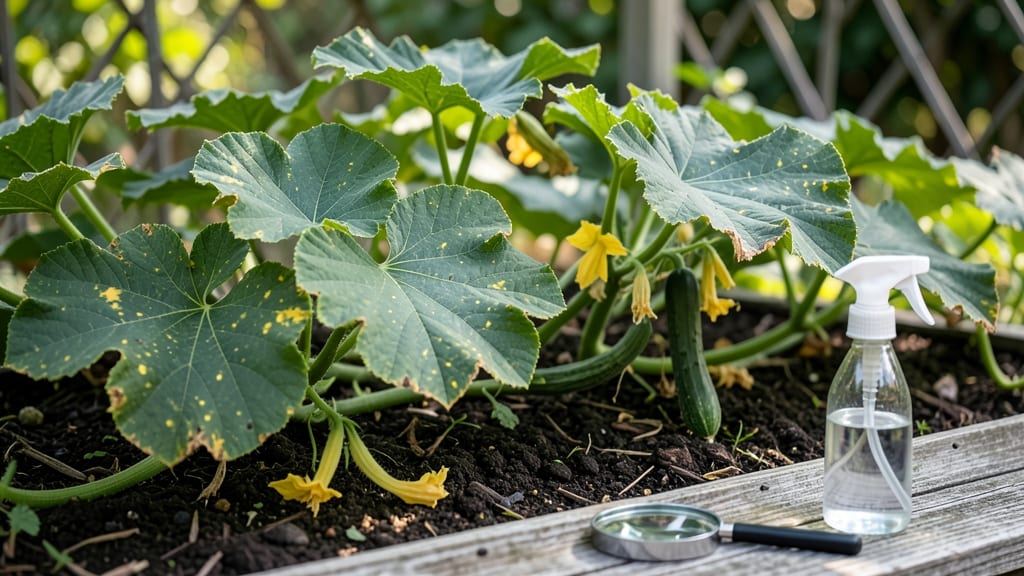
What causes yellow spots on cucumber leaves—your plants are sending an SOS, and the culprit is usually fungal blight or bacterial spot, so catch it early to save your harvest. 🌱 I’ve diagnosed this issue. in my own garden three summers running, and the difference between a thriving vine and a struggling one comes down to three key observations: spot shape, leaf texture, and how fast they spread.
The first sign? Tiny yellow freckles that turn brown and crispy within days.
Here’s the hard truth: fungal blight thrives in warm, wet conditions, while bacterial spot spreads like wildfire when leaves stay damp overnight. Both love crowded plants and overhead watering—my mistake was ignoring the spacing between vines until the spots appeared.
The good news? You can stop it before it ruins your crop by adjusting watering habits, pruning for airflow, and removing infected leaves immediately (yes, even if it means sacrificing a few).
Once you identify the problem, the fix is straightforward: copper spray for bacterial spot, neem oil for fungal issues, and proper spacing (12–24 inches apart) to prevent future outbreaks. I’ve seen vines bounce back completely within two weeks of intervention—just don’t wait until half the plant is covered.
The key is acting fast and staying consistent with your treatment schedule.
This works for both backyard gardens and container-grown cucumbers, though container plants dry out faster, so adjust watering to avoid moisture buildup. The goal isn’t just to treat the spots—it’s to create an environment where your cucumbers can’t get sick in the first place.
Let’s get your vines back to vigorous and your harvest back on track.
Root Causes Behind Leaf Spots
Yellow spots on cucumber leaves rarely appear by chance—they’re usually a red flag from your plants’ environment, pathogens, or stress factors. Let’s break down the key culprits behind this common issue, so you can diagnose and act fast.
Fungi are the #1 reason for yellow spots on cucumber leaves, thriving in warm, humid conditions. Here’s how they strike:
- Powdery Mildew (Podosphaera xanthii) - Symptoms: Yellow patches that turn white and powdery (like dust) on leaf surfaces. - Why it happens: This fungus spreads via wind or splashing water, especially when leaves stay wet for 6+ hours.
Poor airflow and crowded plants create the perfect breeding ground. - Science behind it: The fungus forms haustoria (root-like structures) that penetrate leaf cells, stealing nutrients and clogging stomata (pores), which disrupts photosynthesis and causes yellowing.
- Downy Mildew (Pseudoperonospora cubensis)
- Symptoms: Yellow, oily spots on the top of leaves, with purple-gray fuzz on the underside in humid weather.
- Why it happens: Unlike powdery mildew, downy mildew loves cool, damp conditions (60–75°F) and spreads via water droplets (rain, overhead irrigation).
- Science behind it: The pathogen releases zoospores (mobile spores) in water, which infect leaves within 4–6 hours of moisture.
- Alternaria Leaf Spot (Alternaria cucumerina) - Symptoms: Dark brown/black concentric rings with yellow halos around spots. - Why it happens: This fungus thrives in hot, humid weather (80°F+) and survives on plant debris or infected seeds.
Wounds (from hail, insects, or rough handling) make leaves vulnerable. - Science behind it: The fungus produces toxic metabolites that kill plant cells, creating the classic "target-like" lesions.
Bacteria cause water-soaked yellow spots that eventually turn brown with raised edges—often confused with fungal issues but far more aggressive.
- Pseudomonas syringae pv. lachrymans (Cucumber Bacterial Spot) - Symptoms: Small, greasy yellow spots that enlarge into dark brown lesions with yellow borders.
Severe cases cause leaf drop and fruit scarring. - Why it happens: Bacteria enter through stomata or wounds (e.g., from pruning, hail, or insect bites) and spread via rain splash or tools. - Science behind it: The bacteria multiply rapidly in water films, producing enzymes that degrade cell walls, leading to tissue collapse and yellowing.
Not all yellow spots mean disease—sometimes, your cucumbers are screaming for help due to poor growing conditions.
- Overwatering or Poor Drainage 💦 - Why it happens: Soggy soil leads to root rot (e.g., Pythium or Phytophthora), which starves leaves of water and nutrients. Yellowing starts at the leaf edges and spreads inward. - Science behind it: Waterlogged roots suffocate, reducing oxygen uptake.
The plant transports fewer nutrients, causing chlorosis (yellowing) as chlorophyll breaks down.
- Nutrient Deficiencies 🌱
- Magnesium (Mg) Deficiency: Yellow spots appear between leaf veins (interveinal chlorosis) because magnesium is crucial for chlorophyll production.
- Potassium (K) Deficiency: Causes yellowing at leaf edges (scorching) since potassium regulates water balance and enzyme function.
- Iron (Fe) Deficiency: Yellowing starts on young leaves (since iron is immobile in plants) due to poor uptake in alkaline or waterlogged soils.
- Extreme Heat or Sunburn ☀️
- Why it happens: Sudden heat waves (90°F+) or intense sunlight can cause physiological stress, leading to yellow patches (especially on young leaves).
- Science behind it: High temperatures denature enzymes involved in photosynthesis, while excessive light overwhelms chlorophyll, leading to oxidative damage.
Some pests chew or pierce leaves, creating entry points for pathogens—or directly causing yellowing through toxin release.
- Aphids & Spider Mites 🕷️
- These sap-sucking pests inject toxins while feeding, causing yellow stippling (tiny dots) on leaves. Heavy infestations lead to leaf curl and drop.
- Why it happens: Their saliva contains enzymes that disrupt plant cell function, triggering chlorosis as a defense mechanism.
- Cucumber Beetles 🐞
- These striped beetles feed on leaves and flowers, transmitting bacterial wilt (Erwinia tracheiphila) while leaving irregular yellow patches from chewing.
- Science behind it: Their mouthparts create wounds, allowing bacteria to enter and clog vascular tissues, cutting off water/nutrient flow.
Pro Tip: 💡 Always check the underside of leaves and soil moisture before blaming disease—environmental fixes (like improving drainage or spacing plants) can prevent 50% of "fungal" issues!
Quick Fixes for Yellow Spots
Yellow spots on cucumber leaves can be frustrating, but with the right approach, you can restore your plants to health and even prevent future outbreaks. Below are targeted solutions for each common cause, along with practical prevention tips to keep your cucumbers thriving.
1️⃣ Improve Air Circulation
Fungal spores thrive in damp, stagnant air. Boost airflow around your plants by:
- Pruning crowded vines 🌿 – Remove excess leaves blocking sunlight and airflow.
- Spreading out plants – If growing in rows, space them 12–18 inches apart.
- Using trellises – Train cucumbers vertically to reduce humidity near the soil.
2️⃣ Apply Fungicidal Sprays
For active infections, use organic or chemical fungicides based on severity:
| Fungus | Recommended Treatment |
|---|---|
| Powdery Mildew | Neem oil spray (1 tsp per quart of water) or baking soda mix (1 tbsp baking soda + 1 tsp soap + 1 gallon water). Spray every 7–10 days. |
| Downy Mildew | Copper fungicide (follow label rates) or hydrogen peroxide spray (1 tbsp 3% H₂O₂ per quart of water). Apply at dawn to avoid burning leaves. |
| Anthracnose | Chlorothalonil (for severe cases) or garlic spray (blend 2 cloves garlic + 1 quart water, strain, and spray). Rotate treatments to prevent resistance. |
✨ Pro Tip: Always spray undersides of leaves—that’s where fungi love to hide!
3️⃣ Remove and Destroy Infected Leaves
- Snip off yellowed or spotted leaves with clean scissors 🔪.
- Bag and discard (don’t compost!) to prevent spore spread.
- Sterilize tools with rubbing alcohol between cuts.
4️⃣ Adjust Watering Habits
- Water at the base (not overhead) to keep leaves dry.
- Water early in the day so foliage has time to dry.
- Use drip irrigation if possible to reduce leaf wetness.
Bacterial infections are trickier to cure, but you can slow spread and protect healthy leaves:
1️⃣ Prune Aggressively
- Remove all infected leaves immediately—bacteria spread via water splashes.
- Disinfect pruners between cuts with bleach water (1 part bleach to 10 parts water).
2️⃣ Use Copper-Based Bactericides
- Copper hydroxide or copper sulfate (e.g., Copper Soap) is the most effective treatment.
- Spray every 5–7 days until new growth appears healthy.
- Avoid spraying when rain is forecasted (it washes off quickly).
3️⃣ Boost Plant Immunity
- Fertilize with compost tea or kelp meal to strengthen plants.
- Avoid overhead watering—use a soaker hose instead.
4️⃣ Rotate Crops
- Never plant cucumbers (or melons/squash) in the same spot next season—bacteria linger in soil.
- Plant in a different family (e.g., beans, tomatoes) to break the cycle.
💡 Long-Term Prevention Strategies
- Choose resistant varieties – Look for cucumbers labeled "resistant to powdery mildew" or "bacterial wilt."
- Solarize soil (for bacterial issues) – Cover soil with clear plastic for 4–6 weeks in summer to kill bacteria.
- Crop rotation – Wait 3 years before replanting cucumbers in the same spot.
- Mulch heavily – Use straw or grass clippings to reduce soil splashes onto leaves.
🌡️ Environmental Controls
- Shade cloth (30–50%) – Reduces humidity in hot climates.
- Raise beds – Improves drainage and reduces fungal spores from wet soil.
- Plant companion crops – Marigolds or nasturtiums deter pests that spread disease.
Final Reminder: 🚨 Act fast! The sooner you treat yellow spots, the better your chances of saving the plant. Monitor daily and adjust care as needed—your cucumbers will thank you with crisp, blemish-free harvests! 🥒💚
Frequently asked questions
How can I tell if my cucumber's yellow spots are from a fungus or bacteria?
Check the leaf texture and spread pattern: fungal spots (like powdery mildew) appear white and dusty or purple-gray fuzz on undersides, while bacterial spots look greasy and water-soaked with raised edges. Fungal spots spread slower, while bacteria spreads rapidly in wet conditions.
Will yellow spots on cucumber leaves spread to my fruit?
Yes, if left untreated. Fungal diseases like Alternaria or bacterial spots can infect fruit, causing scars, rot, or internal decay. Remove infected leaves immediately and apply copper spray (for bacteria) or neem oil (for fungi) to protect developing cucumbers.
Can I still harvest cucumbers if the leaves have yellow spots?
Yes, but only healthy fruit from unaffected vines. Avoid harvesting near infected areas, as spores/bacteria can contaminate your hands and tools. Wash all produce thoroughly with 1 tsp vinegar per gallon of water as extra precaution.
Why do my container-grown cucumbers get yellow spots more often?
Containers dry out faster but also trap moisture when overwatered, creating perfect conditions for fungal growth. Use well-draining soil, water only at the base, and ensure pots have drainage holes. Add 1 inch of mulch to reduce evaporation and soil splashes.
How long does it take to see results after treating yellow spots?
With immediate action, you should see improvement in 5–7 days. For severe cases, expect 2–3 weeks for new growth to appear. Consistency is key—spray every 5–7 days and remove all infected leaves. Monitor daily for new spots.