
Vegetables
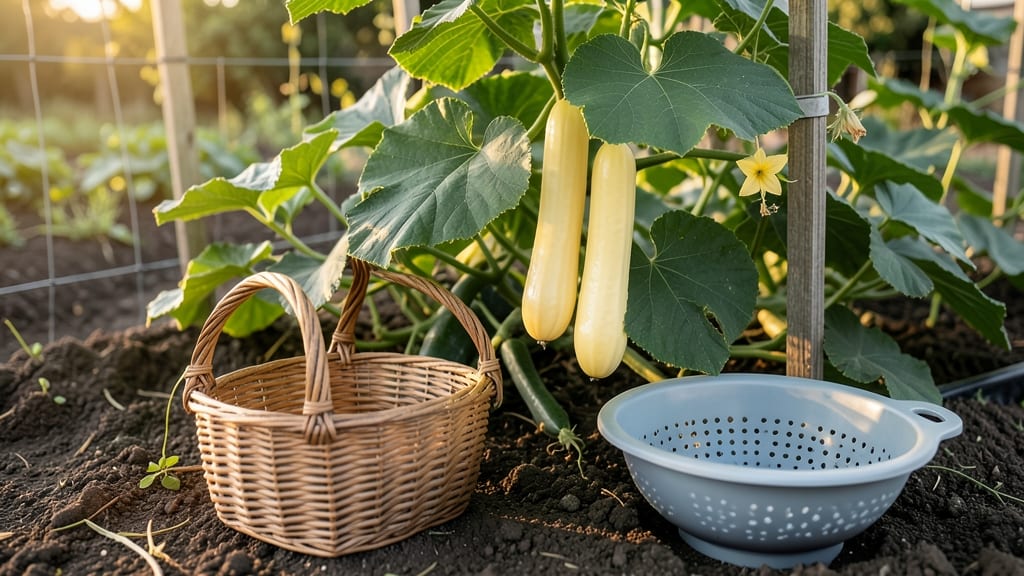
Growing large yellow cucumbers that burst with crunch and sweetness starts with the right variety—like 'Lemon Cucumber' or 'Golden Glory'—planted when soil hits 60°F and stays warm. 🌱 I learned the hard way that cool starts lead to bitter, stunted fruits, but these heat-loving types deliver 2-3 pound beauties in just 50 days when given proper care.
The secret isn’t just the seeds; it’s the sunlight, water, and a little patience to let those vines stretch their legs.
Your first step? Clear a 6-foot-wide patch in full sun and mix in compost—these cucumbers thrive when roots dive deep. Trellising them vertically isn’t just about saving space; it keeps fruits off the ground, reducing rot and making harvesting easier.
Water deeply once a week (more in heatwaves) and watch those yellow beauties swell—just don’t let them get too big, or they’ll turn seedy and lose that crisp snap.
📚 In This Guide
- What you need
- Instructions
- Tips and common mistakes
- Wrapping up and next steps
What you need
- ● Seeds or Seedlings: Yellow cucumber seeds (e.g., ‘Lemon Cucumber’ or ‘Yellow Straight Eight’) – 5-10 seeds (or 3-5 seedlings if starting from transplants).
- ● Soil: Well-draining, nutrient-rich potting mix or garden soil (amended with 2-3 cups compost per 5 gallons of soil).
- ● Containers or Garden Space: Containers: 5-gallon pots or larger (ensure drainage holes!).
- ● Garden Beds: Full sun (6+ hours daily) with loose, fertile soil.
- ● Support Structures: Trellis, cage, or stakes (for vining varieties—4-6 feet tall).
- ● Fertilizer: Balanced organic fertilizer (e.g., 10-10-10) or compost tea.
- ● Watering Can or Hose: With a gentle spray nozzle.
- ● Pruning Shears: For harvesting and trimming.
- ● Mulch: Straw or shredded leaves to retain moisture.
- ● Row Cover: Lightweight fabric to protect from pests.
- ● pH Test Kit: Ideal soil pH for cucumbers: 6.0–6.8.
- ● Grow Lights: If starting indoors (12–16 hours of light/day).
- ● Insecticidal Soap: For organic pest control.
Step-by-Step instructions for growing large yellow cucumbers
Here's how to coax those prized 12-inch yellow beauties from seed to harvest in just 50 days.
🌱 Step 1: Start Seeds Indoors 3-4 Weeks Before Last Frost
Fill 2-inch deep biodegradable pots with seed-starting mix and plant 2 seeds per pot at ½-inch depth. The reason for two seeds? One may fail to germinate, and you don’t want to start over. Press the soil gently around them—just enough to hold the seeds in place without burying them too deep.
Cover the pots with plastic wrap or a humidity dome to retain warmth and moisture. Place them in a warm spot (75-85°F)—a seedling heat mat works wonders if your home runs cooler. You’ll see sprouts in 5-7 days, but don’t be surprised if it takes up to 10 days in cooler conditions. Once the first true leaves appear, remove the weaker seedling, leaving only the strongest plant per pot.
☀️ Step 2: Harden Off and Transplant After All Frost Risk Passes
Two weeks before your last frost date, begin hardening off your seedlings. Start by placing them outside in a sheltered spot for 1-2 hours the first day. Gradually increase their outdoor time over 7-10 days, ending with a full day in the sun. This toughens their stems and leaves, so they’re ready for the garden’s real-world conditions.
Transplant after soil temperatures reach 60°F—cold soil slows root growth and delays fruiting. Bury the seedlings 1 inch deeper than they were in their pots; cucumbers develop extra roots along their stems, giving them a stronger start. Space plants 24 inches apart in rows 3 feet apart to allow for trellising and airflow, which prevents disease.
🪴 Step 3: Provide Support and Water Deeply
Cucumbers are vining plants, so install a 6-foot tall trellis or sturdy stakes at planting. Gently weave the main vine onto the trellis as it grows—this keeps fruits off the ground, reduces rot, and makes harvesting easier. Prune side shoots (suckers) that grow in the leaf axils to direct energy into larger, straighter cucumbers.
Water deeply 1-2 times per week, aiming for 1-2 inches of moisture per week. The key here is consistency—cucumbers develop bitter flavors when they experience drought stress. Mulch with 2-3 inches of straw to retain moisture and keep soil temperatures stable. You’ll know your watering is right when the soil feels damp 2 inches down but not soggy.
✂️ Step 4: Harvest at Peak Size for Maximum Crunch
Here’s the thing—yellow cucumbers lose their crispness fast. Start checking plants 45 days after transplanting, and harvest every 2-3 days once they begin producing. Pick fruits when they reach 10-12 inches long and have a bright, uniform yellow color. Use pruning shears or a sharp knife to cut the stem—never twist, as this can damage the vine.
Remove any overripe or deformed cucumbers immediately—they sap energy from the plant and attract pests. With regular harvesting, your plants will keep producing crunchy, seedless cucumbers until the first frost. Expect 4-6 harvests per plant if you stay on top of it.
Tips & tricks for perfect large yellow cucumbers
These simple strategies will help you grow those prized 12-inch cucumbers with crisp texture and vibrant color every time.
The Germination Factor: To speed up those first sprouts in Step 1, soak your seeds in warm water for 4-6 hours before planting. This jumpstarts hydration and can reduce germination time from 5-10 days to as little as 3-5 days. Just make sure to plant immediately after soaking—don't let them dry out. The warmth from your seedling heat mat at 75-85°F will work wonders once they're in the soil.
Harden Off Like a Pro: In Step 2, when gradually increasing outdoor time, place seedlings in a spot that gets morning sun but afternoon shade. This prevents sunburn on tender leaves during the hardening process. I've seen seedlings with crispy edges after full sun exposure—trust me, you don't want that. Also, avoid windy spots during this transition period, as it can stress the young plants.
Support System Secrets: For Step 3, consider using a 5-foot tall trellis instead of the full 6 feet if space is limited. The key is to keep the main vine vertical while still allowing enough room for the cucumbers to grow to their full 10-12 inch length. I've found that gently tying the vine to the trellis every 3-4 days prevents it from getting tangled in its own growth—this makes harvesting so much easier later.
Watering Wisdom: When aiming for that 1-2 inch weekly moisture in Step 3, use a rain gauge or tuna can to measure your water output. I've seen people overestimate how much they're watering, thinking they're giving enough when they're actually creating soggy conditions. Water in the morning so the leaves have time to dry before evening, which helps prevent fungal diseases that can ruin your harvest.
Pro Tips for Large Yellow Cucumbers
- These simple strategies will help you grow those prized 12-inch cucumbers with crisp texture and vibrant color every time.
- The Germination Factor: To speed up those first sprouts in Step 1, soak your seeds in warm water for 4-6 hours before planting.
- Harden Off Like a Pro: In Step 2, when gradually increasing outdoor time, place seedlings in a spot that gets morning sun but afternoon shade.
Frequently asked questions
Got questions about growing large yellow cucumbers? You’re not alone! Here are some of the most common queries—plus quick answers to help you crush your harvest.
Can I grow large yellow cucumbers in containers?
These cucumbers thrive in containers as long as the pot is at least 5 gallons and has drainage holes. Use a lightweight potting mix and place the container in full sun (6+ hours daily). Just be sure to trellis them vertically to save space and improve airflow.
How long does it take for large yellow cucumbers to mature?
Most varieties reach maturity in 50–60 days from transplanting (or 60–70 days from seed). Keep an eye on the vines—once cucumbers grow to 6–8 inches and turn a vibrant yellow, they’re ready to pick! Harvesting early encourages more production.
Why are my cucumbers small and green instead of large and yellow?
Small, green cucumbers usually mean overcrowding or underwatering. Prune vines to improve airflow, and water deeply 1–2 inches per week (consistency is key!). For yellow color, ensure full sun and pick cucumbers regularly—overripe ones turn green or white. Pro tip: Use a balanced fertilizer (like 10-10-10) every 2–3 weeks for bigger yields.
Are large yellow cucumbers different from regular cucumbers?
Yes! They’re a heirloom variety with a sweeter, milder flavor and thicker skin (less bitter). Unlike slicing cucumbers, they’re often eaten raw, pickled, or in salads. Plus, their seedless trait makes them a favorite for fresh eating. Try ‘Lemon Cucumber’ or ‘Yellow Straight Eight’ for a tangy twist!
What should I do if my cucumbers get powdery mildew?
Powdery mildew (white fuzzy spots) thrives in humid conditions. Prevent it with these steps:
- Space plants 12–18 inches apart for airflow.
- Water at the base (avoid wetting leaves).
- Spray with a baking soda mix (1 tsp baking soda + 1 quart water + a drop of dish soap) weekly.
- Remove infected leaves immediately.
Wrapping up and next steps
Growing large, seedless yellow cucumbers is a rewarding journey that brings fresh, crisp produce straight to your plate in just 50 days! With the right soil, sunlight, and care, you’ll enjoy a bountiful harvest that’s perfect for salads, pickling, or snacking.
Whether you’re a gardening newbie or a seasoned pro, these vibrant cucumbers are a fun and delicious addition to any garden.
Ready to take the next step? Grab your seeds, mark your calendar, and get planting—your future harvest is waiting! 🌱🍉