
Diseases
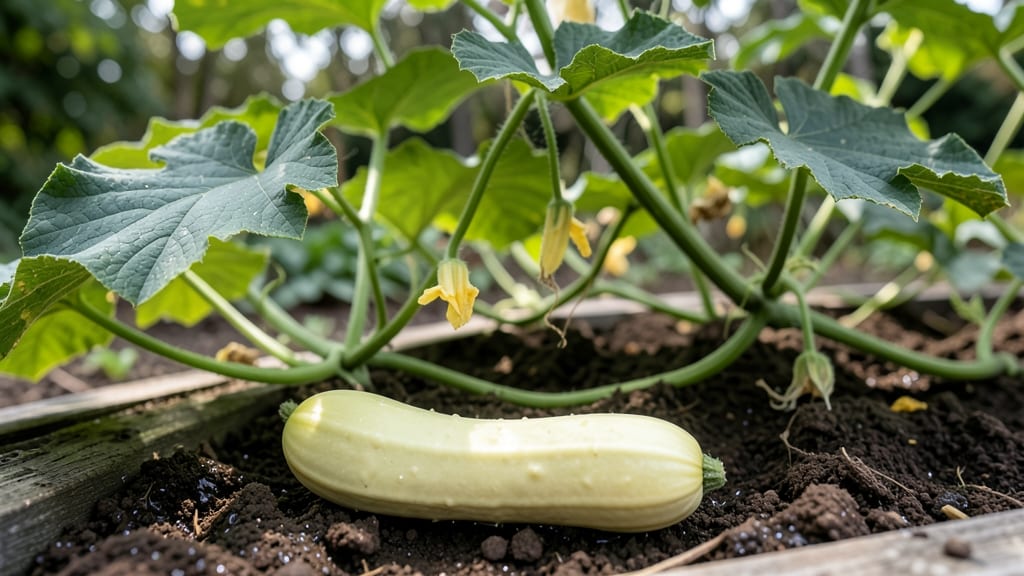
Stumped by cucumbers not turning green despite your best efforts, you’re not alone—this frustrating harvest hiccup can usually be solved with a few tweaks to sunlight, temperature, or pollination. 🌱 I’ve seen this happen more than I’d like to admit, and the solutions are easier than you think.
The most common culprits are inconsistent sunlight (they need 6-8 hours daily), temperature swings (below 55°F or above 90°F stalls ripening), or poor pollination (especially in greenhouses or rainy climates). Even healthy-looking vines can produce pale fruit when one of these factors is off.
Hand-pollination with a soft brush fixes many cases, while adjusting watering and mulching stabilizes soil temps. Within 5-7 days, properly pollinated cucumbers will start turning that satisfying deep green—if conditions are right.
This works for both vining and bush varieties, whether you’re growing in containers or raised beds. Let’s troubleshoot your specific situation step by step.
The Hidden Reasons Behind Pale Cucumbers
If your cucumbers are refusing to turn the vibrant green you expect, don’t panic—it’s usually a sign of something fixable, not a lost harvest. The issue often boils down to light deprivation, nutrient deficiencies, temperature stress, or disease pressure.
Let’s break down the science behind why your cucumbers might be staying pale, yellowish, or even white, and what’s really going wrong in your garden.
Cucumbers need 6–8 hours of direct sunlight daily to produce chlorophyll, the pigment that gives them their signature green hue. Without enough light:
- Chlorophyll production drops, leaving cucumbers pale or yellowish.
- Photosynthesis slows, weakening the plant’s ability to convert sunlight into energy for growth.
- Stems may stretch excessively (a condition called "etiolation"), making them weak and prone to disease.
Actionable fix: Move your cucumber plants to a sunnier spot or use reflective mulch (like white plastic) to bounce light onto the vines. If growing in containers, place them in full sun and rotate them occasionally for even exposure.
Cucumbers are warm-season crops that thrive between 70–85°F (21–29°C). Outside this range, their metabolism shifts, and chlorophyll development stalls:
- Too hot (>90°F/32°C): Plants conserve water, slowing photosynthesis and turning leaves yellow or white.
- Too cold (<50°F/10°C): Enzymes responsible for chlorophyll production become inactive, leading to pale, stunted growth.
- Frost or sudden temperature drops can cause sunscald, where cucumbers develop white or bleached patches.
Actionable fix:
- Use row covers or shade cloth (30–50% coverage) during heatwaves.
- Plant cucumbers after the last frost and in well-draining soil to prevent cold stress.
- Water deeply in the early morning to cool the soil and roots.
Pale cucumbers often signal a lack of key nutrients that fuel chlorophyll production. The most common culprits:
| Nutrient | Symptoms | Quick Fix |
|---|---|---|
| 🌿 Nitrogen (N) | Yellowing leaves (starting with older ones), stunted vines, but green stems. | Apply compost, fish emulsion, or a balanced 10-10-10 fertilizer. |
| 💚 Magnesium (Mg) | Interveinal chlorosis (yellowing between leaf veins), pale new growth. | Sprinkle Epsom salt (1 tbsp/gallon of water) every 2 weeks. |
| 🌱 Iron (Fe) | Young leaves turn white or pale yellow, brittle stems. | Use chelated iron supplements or amend soil with sulfur. |
| 💧 Water Stress | Dull, gray-green or white-tinged cucumbers, wilting despite moist soil. | Water deeply 1–2 inches per week and mulch to retain moisture. |
Pro tip: 💡 Test your soil’s pH—cucumbers prefer 6.0–6.8. If soil is too alkaline (>7.0), iron and magnesium become unavailable, worsening chlorosis. Adjust with sulfur (to lower pH) or lime (to raise it).
Certain pathogens directly interfere with chlorophyll production or block nutrient uptake, leading to pale, spotted, or deformed cucumbers:
- Powdery Mildew (Podosphaera xanthii):
- Causes white, powdery patches on leaves and stems, reducing photosynthesis.
- Severe cases turn cucumbers yellow or white.
- Cucumber Mosaic Virus (CMV):
- Leaves develop mottled yellow/white patterns, stunting growth.
- Spreads via aphids—remove infected plants immediately.
- Downy Mildew (Pseudoperonospora cubensis):
- Yellow spots on upper leaves with fuzzy gray mold on undersides.
- Cucumbers may stay pale and underdeveloped.
Actionable fix:
- Spray plants with neem oil or copper fungicide preventatively.
- Improve air circulation by spacing plants 12–24 inches apart.
- Avoid overhead watering—use drip irrigation to keep foliage dry.
Most of these issues are reversible with targeted adjustments. Next, we’ll cover how to diagnose your specific problem and restore your cucumbers’ vibrant green—so stay tuned!
Quick Fixes for Blanched Cucumbers
If your cucumbers are refusing to turn green, don’t panic—there are practical ways to revive them and prevent future issues. Below, we’ve mapped out cause-specific solutions, along with easy prevention tips to ensure your next harvest stays vibrant.
---
Problem: Cucumbers need 6–8 hours of direct sunlight daily to develop chlorophyll (the pigment that turns them green). Shady spots or overcrowded plants starve them of light, leaving cucumbers pale or yellowish.
How to Fix It: - 🔥 Move plants to sunnier spots – Relocate containers or prune nearby plants blocking sunlight. - 🌞 Use reflective surfaces – Place mirrors or white sheets near plants to bounce light onto leaves. - 💡 Add grow lights – If outdoors isn’t an option, supplement with LED grow lights (12–16 hours/day) for indoor plants.
Prevention Tips: ✔ Space plants 18–24 inches apart to avoid shading. ✔ Train vines upward with trellises to maximize sunlight exposure. ✔ Rotate containers weekly if growing in pots to ensure even light distribution.
---
Problem: Too much water (or soggy soil) can leach nutrients and prevent chlorophyll production. Yellowing or mushy cucumbers may also signal root stress.
How to Fix It: - 👨🍳 Adjust watering habits – Water deeply but less frequently (1–1.5 inches per week). Let the top inch of soil dry before watering again. - 🔧 Improve drainage – Add perlite or sand to heavy clay soil. Ensure pots have drainage holes. - 🌡️ Check soil moisture – Stick your finger 1–2 inches deep; if damp, wait before watering.
Prevention Tips: ✔ Use mulch (straw or shredded leaves) to retain moisture without overwatering. ✔ Water at the base (not leaves) to prevent fungal issues that stress plants. ✔ Avoid watering late in the day to reduce humidity-related diseases.
---
Problem: Cucumbers thrive in 70–90°F (21–32°C). Extreme heat or cold slows chlorophyll production, leaving cucumbers pale or stunted.
How to Fix It: - 🌿 Provide shade cloth (30–50% coverage) if temps exceed 90°F (32°C). - 🧊 Use row covers in early spring or late fall to protect from cold snaps (<50°F/10°C). - 💦 Increase airflow – Prune dense foliage to improve circulation and reduce heat stress.
Prevention Tips: ✔ Choose heat-tolerant varieties like ‘Straight Eight’ or ‘Marketmore’ for hot climates. ✔ Plant in late spring after the last frost date. ✔ Use black plastic mulch to warm soil in cool weather.
---
Problem: Lack of nitrogen, magnesium, or iron can prevent chlorophyll formation, leading to pale or yellowing cucumbers.
How to Fix It: - 💪 Fertilize with balanced NPK (10-10-10) at planting and again when flowers appear. - 🌱 Add Epsom salt (1 tbsp per gallon of water) every 2 weeks for magnesium. - 🍎 Use compost or worm castings for slow-release nutrients.
Prevention Tips: ✔ Test soil pH (ideal: 6.0–6.8). Adjust with lime (to raise pH) or sulfur (to lower it). ✔ Avoid over-fertilizing with nitrogen—it can cause leafy growth at the expense of fruit color. ✔ Rotate crops to prevent nutrient depletion.
---
Problem: Pests like aphids, cucumber beetles, or spider mites damage leaves, reducing the plant’s ability to absorb sunlight and produce chlorophyll.
How to Fix It: - 🔪 Handpick pests early in the morning when they’re sluggish. - 💦 Spray with neem oil (1 tbsp per quart of water) or soapy water (1 tsp mild soap per liter). - 🌿 Introduce beneficial insects like ladybugs or lacewings to control pests naturally.
Prevention Tips: ✔ Use row covers to block pests before they infest. ✔ Rotate planting locations yearly to disrupt pest life cycles. ✔ Remove debris where pests hide (e.g., old vines, weeds).
--- If cucumbers remain pale despite fixes, harvest them young (as "snack cucumbers") and focus on reviving the plant: - 🍅 Prune damaged leaves to redirect energy to fruit production. - 💧 Increase potassium-rich fertilizer (like banana peels or wood ash) to boost resilience. - 🌱 Monitor closely—new growth should green up within 1–2 weeks if conditions improve.
--- Pro Tip: 💡 Keep a garden journal! Track sunlight, water, and fertilizer schedules to spot patterns and adjust next season. A little tweaking now means juicy, green cucumbers all season long!
Frequently asked questions
Why are my cucumbers staying white or pale yellow instead of green?
The most common reasons are inadequate sunlight (they need 6-8 hours daily), temperature stress (below 55°F or above 90°F), or poor pollination. Check for these first—especially if your plants are healthy but producing off-colored fruit.
Can I still eat cucumbers that aren't turning green?
Pale cucumbers are perfectly safe to eat—they're just less visually appealing. Harvest them young as "snack cucumbers" or let them mature fully (they'll ripen internally even if the skin stays pale). The flavor won't be affected, just the color.
How do I know if my cucumbers need more sunlight or better pollination?
For sunlight: Check if vines are stretching toward light (a sign of etiolated growth). For pollination: Look for small, white flowers that drop off without forming fruit. If you see flowers but no fruit, try hand-pollinating with a soft brush.
Will fertilizing help if my cucumbers are already pale?
Yes, but focus on magnesium (Epsom salt) or iron if leaves show yellowing between veins. For existing pale cucumbers, fertilizing won't change their color, but it'll help future growth. Test your soil first—cucumbers prefer pH 6.0-6.8.
Could my cucumbers be diseased if they're not turning green?
Possibly! Check for powdery mildew (white powder) or downy mildew (yellow spots with gray fuzz). These diseases block chlorophyll production. Remove infected leaves immediately and spray with neem oil. If you see aphids, they might be spreading viruses too.