
Vegetables
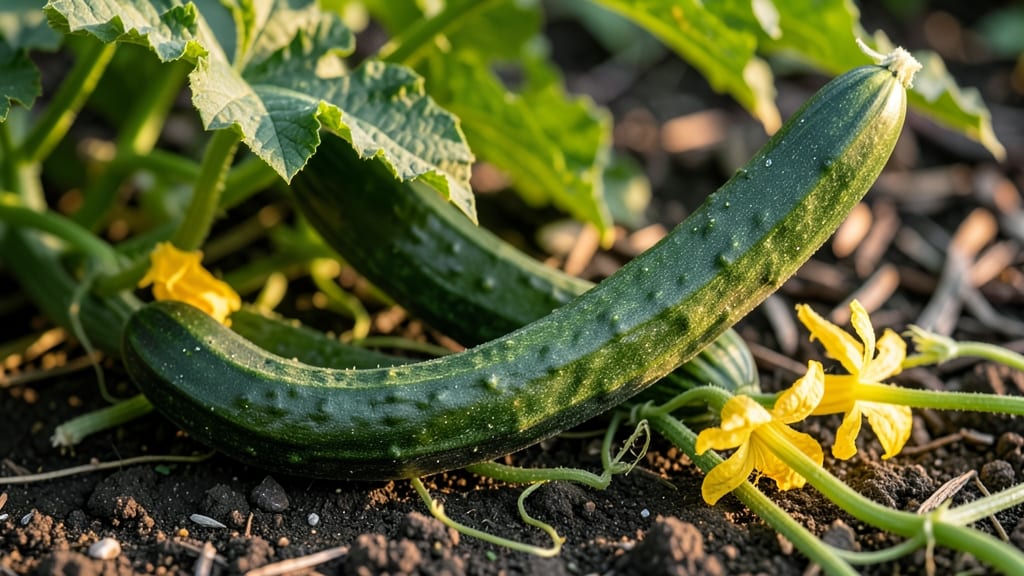
Growing Armenian snake cucumbers means 60-day harvests of those weirdly beautiful, snake-shaped fruits that look like they belong in a fantasy garden. 🌿 I planted mine last spring and was amazed by how quickly the vines took over the trellis—twisting like living ropes while producing crisp, mild cucumbers perfect for snacking or stir-fries.
These cucumbers thrive in warm climates (zones 7-11) and need full sun (6+ hours daily) and well-draining soil rich in compost. The serpentine growth habit makes them ideal for vertical gardens—they climb aggressively but gently, unlike aggressive vines that strangle supports.
Start seeds indoors 4-6 weeks before last frost or buy transplants for a head start.
Once established, keep soil consistently moist but not soggy—drip irrigation works best to avoid fungal issues. Prune suckers (those little shoots between the main stem and leaves) to focus energy on fruit production.
The first harvest appears around 55-60 days, and with proper care, you’ll get a steady supply all summer.
They’re not just productive—they’re ornamental too. The twisting vines add drama to trellises, and the fruits themselves are a conversation starter. Just watch for cucumber beetles and use row covers early in the season. With these tips, you’ll have a garden centerpiece that’s both beautiful and bountiful.
📚 In This Guide
- What you need
- Instructions
- Tips and common mistakes
- Wrapping up and next steps
What you need
- ● Seeds: 5–10 Armenian Snake Cucumber seeds (organic or heirloom preferred)
- ● Containers or Garden Space: 5-gallon pots (2–3) or
- ● Direct garden bed (6–8 inches deep, well-draining)
- ● Potting Mix: 10–15 lbs of high-quality, well-draining soil (add perlite or compost for extra nutrients)
- ● Fertilizer: Balanced organic fertilizer (10-10-10 or compost tea)
- ● Trellis or Support: 6–8 ft tall trellis, fence, or stakes (for vertical growth)
- ● Watering Can or Hose: With a gentle spray nozzle
- ● Pruning Shears: Small, sharp pair for trimming vines
- ● Mulch (straw or shredded leaves) to retain moisture
- ● Drip irrigation system for consistent watering
- ● Garden twine or soft ties to secure vines to trellis
- ● Row cover or shade cloth (if growing in hot climates)
- ● Epsom salt (1 tbsp per plant) for magnesium boost
Step-by-step instructions for growing Armenian snake cucumbers
Here’s how to coax those dramatic, spiraling vines into producing sweet, slender fruits in just two months.
🌱 Step 1: Select the Right Location and Prepare the Soil
Armenian snake cucumbers thrive in full sun—at least 6-8 hours daily—so choose a south-facing spot with protection from strong afternoon winds. These vines grow 10-15 feet long, so avoid planting near fences or structures unless you’re prepared for them to climb. Amend the soil with 2-3 inches of compost to ensure excellent drainage, as soggy roots invite rot.
Test the pH before planting—aim for 6.0-6.8. If your soil is heavy clay, mix in 1 part perlite or coarse sand to the top 6 inches of soil. I like to work in a handful of kelp meal for extra potassium, which helps vines develop their signature twisting growth habit. Loosen the soil to 12 inches deep so roots can spread freely.
☀️ Step 2: Plant Seeds or Transplants at the Right Time
Start seeds indoors 4-6 weeks before your last frost date, or sow directly in the ground 2-3 weeks after soil reaches 60°F. These cucumbers are frost-sensitive, so don’t rush—waiting ensures strong, disease-resistant plants. If using transplants, harden them off for 7-10 days before moving to the garden to prevent shock.
Plant seeds 1 inch deep and 3-4 feet apart in rows 5-6 feet apart to give vines room to sprawl. For transplants, dig holes twice as wide as the root ball and 1 inch deeper to encourage downward growth. I always add a handful of bone meal to the planting hole for phosphorus, which boosts early root and vine development.
💧 Step 3: Train Vines and Provide Consistent Water
Armenian snake cucumbers need 1-2 inches of water per week, delivered at the soil level—not overhead—to prevent mildew. Use drip irrigation or soaker hoses for best results, keeping the soil evenly moist but never soggy. Mulch with 2-3 inches of straw to retain moisture and suppress weeds, which compete for nutrients these vines crave.
Train vines along a trellis, fence, or strong stakes as they grow. These cucumbers naturally twist, but guiding them upward saves space and improves air circulation. Prune side shoots that form below the first 12 inches of the main vine to focus energy on fruit production. You’ll know you’re on track when vines reach 6-8 feet by mid-season.
✂️ Step 4: Harvest and Encourage Continuous Production
Harvest when fruits reach 6-8 inches long—any longer and they’ll turn bitter. Use pruning shears to cut stems cleanly, leaving ½ inch of stem attached to the vine. This encourages more flowers and fruit to form. Pick every 2-3 days during peak production to keep the plant focused on new growth.
Here’s the trick: After the first harvest wave, fertilize lightly with a balanced liquid fertilizer (10-10-10) to restart flowering. I also pinch off the tip of the main vine after it reaches 10 feet to redirect energy into side branches, which often produce a second flush of cucumbers. Watch for yellowing leaves—a sign of overwatering or nutrient deficiency—and adjust accordingly.
🌿 Step 5: Extend the Season with Simple Care
Armenian snake cucumbers are warm-season plants, so protect them from early frosts with row covers or move potted plants indoors (if container-grown) when temperatures dip below 50°F. In hot climates, provide afternoon shade to prevent sunscald on fruits. These vines are prolific, so succession plant every 2-3 weeks for a continuous harvest.
At season’s end, let vines die back naturally or cut them down to 6 inches above the ground. Compost the debris—it’s nutrient-rich! Save seeds from the healthiest plants for next year by allowing a few cucumbers to fully ripen on the vine. Store them in a cool, dry place until spring planting.
Tips & tricks for growing Armenian snake cucumbers
These vine-tested strategies will help you coax the most dramatic, productive harvest from your Armenian snake cucumbers.
Soil Preparation Secret: The 6.0-6.8 pH range isn't just a number—it's the sweet spot for potassium uptake, which these cucumbers need for their signature twisting growth. I've found that adding a handful of kelp meal to the planting hole gives an extra boost without overloading the soil. For heavy clay soils, mix in perlite or coarse sand to the top 6 inches—this creates those tiny air pockets roots crave, preventing rot that can kill your vines before they even start producing.
Planting Precision: Those 3-4 feet spacing recommendations aren't arbitrary—they account for how aggressively these vines spread. I've seen gardeners crowd plants too close, leading to tangled messes that make harvesting a nightmare. Pro tip: Plant in a slight mound rather than flat ground. This improves drainage and gives roots better access to oxygen, especially after those 1-2 inches of weekly watering we'll discuss next.
Watering Wisdom: The 1-2 inches per week guideline assumes consistent rainfall or irrigation. In my experience, morning watering works best—it gives leaves time to dry completely before evening, reducing mildew risk. For container-grown plants, I've found they need watering every 2-3 days rather than weekly, as pots dry out faster. Always water at soil level using drip irrigation or soaker hoses to prevent fungal spores from splashing onto leaves.
Harvesting Hack: Those 6-8 inch size guidelines are non-negotiable for sweetness, but here's what nobody tells you: The first harvest wave often comes 60-70 days after planting, not the full 60 days promised. This initial delay is normal—don't panic! Once you hit that first flush, you'll get about 2-3 weeks of continuous picking before production slows. After that, the tip-pinching trick after 10 feet really works to stimulate side branches for a second harvest wave.
Pro Tips for Armenian Snake Cucumber
- These vine-tested strategies will help you coax the most dramatic, productive harvest from your Armenian snake cucumbers.
- Soil Preparation Secret: The 6.0-6.8 pH range isn't just a number—it's the sweet spot for potassium uptake, which these cucumbers need for their signature twisting growth.
- Planting Precision: Those 3-4 feet spacing recommendations aren't arbitrary—they account for how aggressively these vines spread.
Frequently asked questions
What’s the best soil mix for Armenian Snake Cucumber?
These vines thrive in well-draining, fertile soil with a pH of 6.0–7.0. Mix compost or aged manure into garden beds or use a 50/50 blend of potting soil and perlite for containers. Avoid heavy clay—it can stunt growth and cause rot. Pro tip: Add a handful of lime if your soil tests acidic!
How long does it take for Armenian Snake Cucumber to produce fruit?
With ideal conditions (warm soil, full sun, and consistent water), you’ll see first cucumbers in 50–60 days from seed. If planted as transplants, expect fruit in 40–50 days. Patience pays off! Monitor vines closely—harvesting young (6–8 inches) keeps production steady.
Can I grow Armenian Snake Cucumber in containers?
These vines are perfect for containers if you provide 5-gallon pots or larger with trellis support. Use a balanced fertilizer (like 10-10-10) every 2–3 weeks and ensure pots have drainage holes. Place containers in full sun (6+ hours/day) and water deeply when the top inch of soil dries. Bonus: Containers make it easy to move plants if frost threatens!
What pests should I watch for with Armenian Snake Cucumber?
Common pests include cucumber beetles, aphids, and spider mites. Preventative tips:
- Row covers (early season) deter beetles.
- Spray neem oil or insecticidal soap for aphids.
- Encourage ladybugs—they eat mites!
Check undersides of leaves weekly. If infestations occur, prune and destroy heavily damaged foliage.
What can I substitute if Armenian Snake Cucumber seeds are unavailable?
If you can’t find Armenian Snake Cucumber, try these twisting or serpentine varieties:
- ‘Snake Cucumber’ (Chinese Long)
- ‘Armenian Cucumber’ (similar traits)
- ‘Twisted Cucumber’ (heirloom)
All require trellising and warm conditions. Pro tip: Look for seeds labeled “serpentine” or “spiral” for the classic look!
Wrapping up and next steps
Growing Armenian snake cucumbers is a rewarding adventure—packed with unique flavors, space-saving benefits, and a harvest in just 60 days! 🌱 Whether you’re a seasoned gardener or a curious beginner, these twisting vines prove that delicious results don’t require a lot of room.
Now that you’re armed with the right tips, soil prep, and care tricks, it’s time to roll up your sleeves and plant!
Ready to take the next step? Start with a small patch this season—experiment with trellises, try a few varieties, or even share your progress with fellow gardeners. Who knows? You might just inspire others to grow their own snake cucumber magic! 🌿