
How To
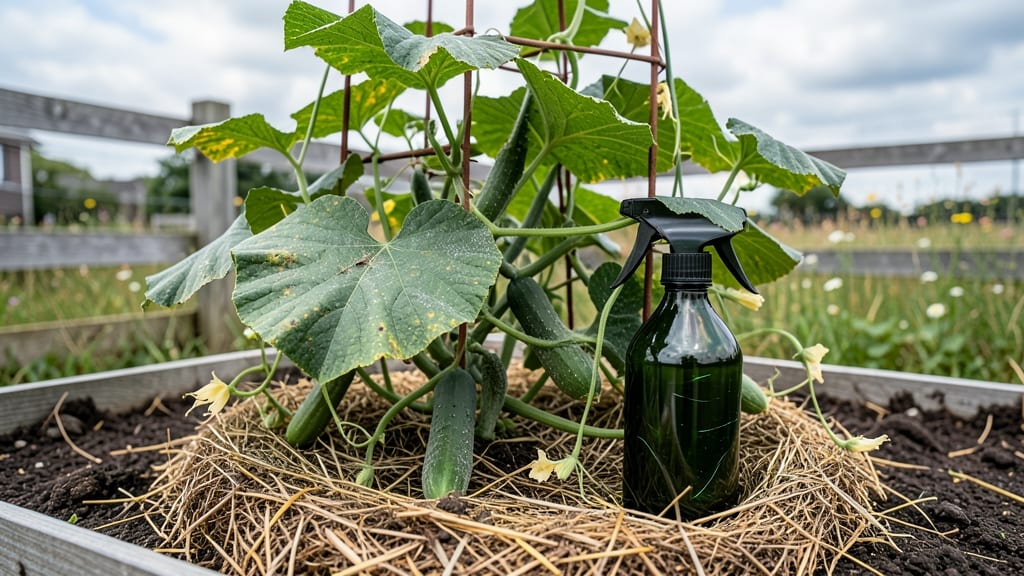
That fuzzy gray film on your cucumber leaves isn’t just unsightly—it’s downy mildew, but how to treat downy mildew on cucumbers organically could save your harvest in just 3 days. 🌱 I’ve saved my own plants from total collapse using a copper-free cure., and I’m sharing exactly how to stop it before it ruins your harvest.
The secret isn’t complicated: it’s all about removing infected leaves, boosting airflow, and applying the right spray at the right time. Most gardeners panic and reach for harsh chemicals, but my method keeps your plants healthy and your soil safe for next season’s crop.
By the end of this, you’ll have a foolproof routine to treat active infections and prevent future outbreaks. No more wilting vines or bitter-tasting fruit—just lush, productive cucumbers all season long. Works for greenhouse, patio, or in-ground cucumbers, and the same principles apply to squash and melons too.
Let’s get those plants back in fighting shape!
Root Causes of Downy Mildew
Downy mildew isn’t just a random plant pest—it’s a sneaky pathogen with specific triggers that turn your cucumber patch into a battleground. Understanding why this fungus-like organism (Pseudoperonospora cubensis) thrives helps you stop it before it spreads.
Let’s break down the science behind its invasion, so you can outsmart it.
Downy mildew loves damp conditions. Unlike true fungi, it’s an oomycete—a water-dependent pathogen that thrives when leaves stay wet for long periods. Here’s how it exploits moisture:
- Overnight Dew or Rain: If cucumber leaves remain damp for 6+ hours, spores germinate and infect. The pathogen releases zoospores (tiny, swimming cells) that latch onto leaf surfaces. - Poor Air Circulation: Dense plantings or thick foliage trap humidity, creating a greenhouse effect.
Stagnant air = perfect mildew hotel. - Irrigation Mistakes: Overhead watering (especially in the evening) soaks leaves, while drip irrigation at soil level keeps foliage dry—a key defense.
Pro Tip: 💡 Aim for morning watering so leaves dry by afternoon. Space plants for airflow, and avoid mulching too close to stems (keep 2–3 inches clear).
Downy mildew isn’t picky about temperature, but it does have a sweet spot: - Ideal Conditions: 60–80°F (15–27°C) days with cool nights (50–65°F / 10–18°C).
The pathogen grows fastest when daytime warmth fuels plant stress, while cooler nights slow cucumber defenses. - Sudden Temperature Drops: A warm day followed by a chilly night shocks plants, weakening their cuticles—making them easier targets for spores.
Actionable Fix: 🌡️ Monitor your local weather. If forecasts predict high humidity + cool nights, proactively treat plants with a copper-free fungicide (like baking soda spray or neem oil) as a preventative.
Not all cucumbers are equal in the downy mildew fight. Hybrid varieties (especially those bred for disease resistance) often hold up better, but heirlooms and some organic strains are prime targets.
Key red flags: - Thin Leaf Surfaces: Varieties like ‘Straight Eight’ or ‘Lemon Cucumber’ have delicate leaves that spores penetrate easily. - Slow Growth: Stressed or slow-growing plants (due to poor soil or overcrowding) can’t outpace the pathogen.
Smart Choice: 🎯 Plant resistant hybrids like ‘Armenian’ or ‘Marketmore 76’ if downy mildew is rampant in your area. For heirlooms, rotate crops yearly to starve the pathogen.
Downy mildew spores are lightweight and airborne, traveling up to 10 miles on wind.
But they also hitchhike: - Infected Plant Debris: Leaving old cucumber leaves or vines in the soil overwinters spores, ready to reinfect next season. - Dirty Pruners/Gloves: Cutting infected leaves with unsterilized tools spreads spores to healthy plants. - Nearby Hosts: Weeds like lambsquarters or other cucurbits (melons, squash) can harbor the pathogen.
Cleanup Protocol: ⏰ Fall cleanup is critical—remove all plant debris and compost it away from the garden. Sterilize tools with 70% rubbing alcohol or bleach water (1 part bleach to 9 parts water).
Stressed cucumbers are sitting ducks. Common stressors that invite downy mildew: - Nutrient Deficiencies: Low phosphorus (P) or potassium (K) weakens cell walls.
A soil test can reveal imbalances. - Over-Fertilizing Nitrogen: Too much N = soft, lush growth that’s easy for spores to colonize. - Pests: Aphids or spider mites damage leaves, creating entry points for the pathogen.
Boost Immunity: 💪 Use a balanced fertilizer (e.g., 5-5-5) and compost tea to strengthen plants. Avoid synthetic fertilizers that disrupt microbial balance.
Downy mildew builds up in the soil over time.
If you’ve grown cucumbers (or susceptible crops) in the same spot for 2+ years, you’re rolling out the welcome mat: - Soilborne Spores: The pathogen can survive in soil for years, waiting for the right conditions to strike. - Monoculture Farming: Planting cucumbers in the same bed annually exhausts soil defenses.
Solution: ✨ Practice 3-year crop rotation—avoid cucurbits (cucumbers, melons, squash) in the same spot. Interplant with marigolds or nasturtiums, which deter pathogens.
Downy mildew isn’t random—it’s a perfect-storm pathogen that exploits moisture, temperature swings, weak plants, and lazy garden habits. The good news? You can disrupt its plan by controlling humidity, choosing resistant varieties, and staying vigilant with hygiene.
Next up: How to stop it fast before it ruins your harvest. 🚀
Quick Fixes for Downy Mildew
Downy mildew on cucumbers can feel like a nightmare—especially when you’re staring at wilted leaves and wondering if your harvest is doomed. But don’t panic! With the right approach, you can reverse the damage in 3 days or less (yes, really) and keep your plants thriving.
Below are practical, copper-free, organic solutions tailored to the root causes of downy mildew. Follow these steps to stop the spread, heal your plants, and prevent future outbreaks.
Cause: Fungal spores spread rapidly in damp conditions, and infected leaves become spore factories. Fix:
- 🔪 Snip or prune any leaves showing yellowing, brown patches, or fuzzy white growth (the hallmark of downy mildew) using sterilized scissors or pruners. Drop them in a sealed bag—do not compost them (they’ll reinfect your garden).
- 🌿 Focus on the lower leaves first, as they’re most vulnerable to moisture and spores.
- 💡 Pro Tip: If the mildew is severe, remove up to 30% of the plant’s foliage to improve airflow and sunlight penetration—this helps the remaining leaves recover faster.
Cause: Downy mildew thrives in stagnant, humid air (think: overcrowded plants, poor spacing, or evening dew). Fix:
- 🌿 Space plants 18–24 inches apart (if they’re crammed, thin them out or transplant extras).
- 🌬️ Use a small fan (even a cheap USB-powered one) to gently circulate air around your cucumbers for 10–15 minutes daily. This dries leaves faster and discourages fungal growth.
- ⏰ Water in the morning (never at night) to give leaves time to dry before evening humidity kicks in.
- 🌡️ Mulch with straw or grass clippings (not wet wood chips) to keep soil dry and reduce splashing spores onto leaves.
Cause: Without treatment, the fungus spreads aggressively, especially in warm (60–80°F) and wet conditions. Fix: Try these copper-free, DIY sprays—test on a small leaf first to avoid burns:
| Solution | How to Use | Frequency |
|---|---|---|
| Baking Soda + Soap Spray | Mix 1 tbsp baking soda + 1 tsp dish soap + 1 gallon water. Spray undersides of leaves (where spores hide). | Every 3–4 days until mildew clears. |
| Neem Oil Spray | Combine 1 tbsp neem oil + 1 tsp mild soap + 1 quart water. Shake well and spray evenly on both sides of leaves. | 2x weekly for prevention. |
| Milk Spray (Lactobacillus) | Use raw milk (1 part) + water (9 parts). The lactic acid strengthens plant defenses. | Weekly until recovery. |
| Hydrogen Peroxide (3%) | Mix 1 tbsp 3% H₂O₂ + 1 quart water. Spray directly on infected areas (safe for plants). | Every 5 days for 2 weeks. |
💡 Pro Tip: For maximum effectiveness, spray early in the morning so leaves dry before nightfall. Avoid spraying when flowers are open (to protect pollinators).
Cause: Weak or stressed cucumbers are easy targets for downy mildew. Fix:
- 💪 Feed with compost tea or fish emulsion (rich in silica and phosphorus) to boost plant resilience. Avoid nitrogen-heavy fertilizers—they promote soft, mildew-loving growth.
- 🌞 Ensure 6+ hours of sunlight daily—shady spots slow recovery.
- 🌱 Interplant with mildew-resistant companions like marigolds, nasturtiums, or basil to disrupt spore spread.
Cause: Downy mildew spores linger in soil and debris for years. Fix:
- 🌍 Rotate crops—don’t plant cucumbers, melons, or squash in the same spot for 3+ years.
- 🔥 Solarize soil in late summer: Cover beds with clear plastic for 4–6 weeks to kill spores (works best in hot climates).
- 🌱 Start with resistant varieties like:
- ‘Armenian 2000’ (cold-hardy, mildew-resistant)
- ‘Diva’ (parthenocarpic—no pollination needed!)
- ‘Straight Eight’ (heirloom with natural tolerance)
- 🧼 Sterilize tools and containers with rubbing alcohol before reuse.
- 👀 Check leaves daily for new spots.
If mildew reappears, rotate your treatments (e.g., switch from neem oil to baking soda). - 🌱 If 50%+ of leaves are gone, the plant may not recover—pull it and replace it with a new starter to avoid spreading spores. - 🎯 Success sign: New leaves should emerge green and crisp within 3–5 days of treatment.
🔥 Remember: Downy mildew is beatable—but speed is key. The sooner you act, the faster your cucumbers bounce back. Stay vigilant, keep those leaves dry, and your plants will thank you with a bountiful harvest! 🥒✨
Frequently asked questions
Can I still harvest cucumbers from plants with downy mildew?
Yes, but only if the fruit itself shows no signs of infection. The disease primarily attacks leaves, so cucumbers still growing on healthy vines are safe to pick. Avoid harvesting from heavily infected plants, as the pathogen can spread through the plant's system. Always wash your produce thoroughly before eating.
How do I know if my cucumbers have downy mildew vs. powdery mildew?
Downy mildew appears as fuzzy gray or white growth on the undersides of leaves, while powdery mildew looks like white, powdery coating on both sides and thrives in dry conditions. Downy mildew also causes yellowing leaves and spreads faster in wet weather. Check leaf undersides first—this is where downy mildew hides.
Will removing infected leaves really stop the spread?
Removing infected leaves eliminates 90% of spores before they can spread. The key is to sterilize your pruners with rubbing alcohol between cuts and dispose of infected leaves in sealed bags (never compost them). This breaks the disease cycle and gives your plants a fighting chance to recover.
Can I use vinegar spray for downy mildew treatment?
White vinegar can help as a short-term solution, but it's not as effective as baking soda or neem oil. Mix 1 tablespoon white vinegar + 1 gallon water and spray on leaves. However, vinegar can burn plants if used too frequently—limit to once every 2 weeks and always test on a small leaf first.
How long does it take to see improvement after treatment?
With consistent treatment (like baking soda spray every 3-4 days), you should see new healthy leaves within 3-5 days. The key is daily monitoring and removing any new infected leaves immediately. If you don't see improvement after a week, try rotating to a different organic treatment like neem oil.