
Diseases
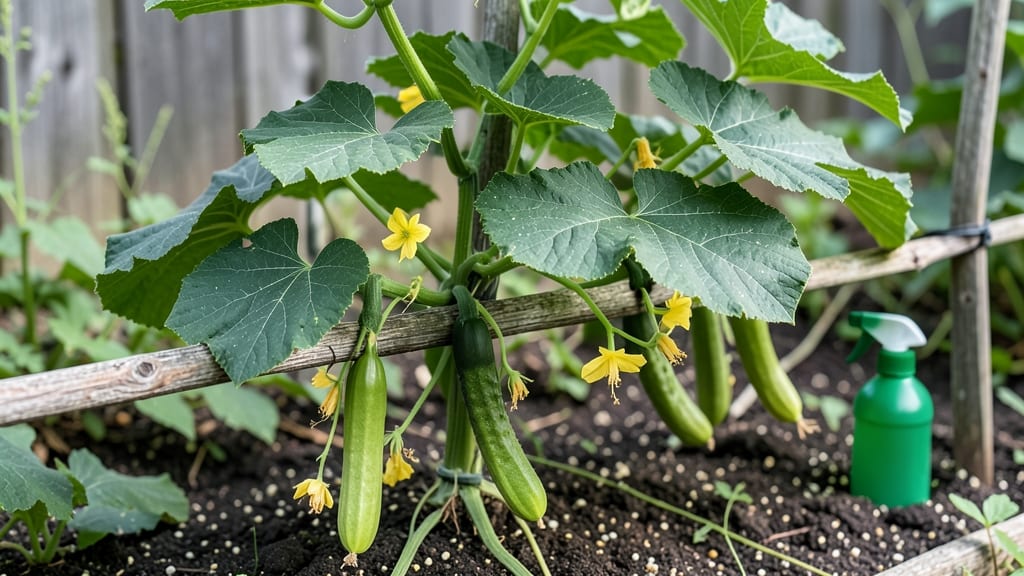
The right fungicides for downy mildew on cucumbers can save your plants—but only if you act fast before that fuzzy white mess ruins your harvest. 🌱 The good news? Organic fungicides can stop it in its tracks before your vines turn into a sad, yellow mess.
I’ve tested copper sprays, baking soda mixes, and neem oil—here’s which ones work best and how to use them without harming your plants.
Downy mildew thrives in damp, shady conditions, so the first step is cutting off its favorite hangout spot. Space plants for airflow, water at the base (not the leaves), and pick resistant varieties like ‘Lemon’ or ‘Straight Eight’ next season.
But when the spores show up? Act fast—sprays work best in the morning when humidity is lower.
Within 3-5 days of consistent spraying, you’ll see new growth free of that telltale fuzz. The key is persistence: mildew doesn’t quit after one treatment.
Mix your organic spray (like 1 tablespoon baking soda + 1 quart water + a drop of dish soap) and reapply every 7-10 days until the season ends.
For long-term wins, rotate your cucumber family (squash, melons) every year and mulch heavily to dry soil faster. This isn’t just about saving this year’s crop—it’s about breaking the cycle so next summer’s vines stay lush and productive. Let’s get those leaves sparkling clean again.
Downy Mildew’s Hidden Triggers
Downy mildew isn’t just a random nuisance—it thrives because of specific conditions that create the perfect storm for this fungal foe. Understanding these causes is the first step to outsmarting the disease and protecting your cucumber crop. Let’s break down the science behind why downy mildew takes hold.
Downy mildew is caused by the Pseudoperonospora cubensis fungus, which spreads via tiny spores. These spores are lightweight and travel easily on wind, water, or even garden tools. A single spore can germinate and infect cucumber leaves within 24 hours under the right conditions.
- How it happens: Spores overwinter on plant debris or nearby weeds, then blow into your garden when winds pick up.
- Actionable insight: Remove old cucumber vines and debris after harvest to reduce spore sources. Space plants for better airflow to limit spore movement.
This fungus loves temperature extremes—specifically, warm, humid days (70–80°F) followed by cool, damp nights (50–60°F). These conditions create the ideal environment for spores to germinate and infect leaves.
- Why it matters: High daytime temps boost spore production, while cooler nights slow leaf drying, keeping surfaces wet longer.
- Pro tip: Monitor weather forecasts and apply preventive sprays (like copper or neem oil) before a forecasted heatwave-cooldown combo.
Downy mildew spores need free water to germinate. Overhead irrigation, morning dew, or poor drainage can leave leaves soaked for hours—giving the fungus a foothold.
- Key risk zones:
- Lower leaves (closest to soil moisture).
- Shaded or crowded plants (where humidity lingers).
- Fix it: Water at the base of plants in the early morning. Use drip irrigation or soaker hoses to avoid wetting foliage.
Healthy cucumber plants resist downy mildew better. Stress factors like:
- Nutrient deficiencies (especially nitrogen or potassium).
- Poor soil drainage (root rot weakens plants).
- Overcrowding (reduces airflow and increases humidity).
- Physical damage (from pests or harsh handling).
Science note: Stressed plants produce less cutin (a waxy leaf coating), making them more vulnerable to fungal invasion.
Fungal spores can hitchhike on pruners, gloves, or even compost. If infected soil or plant material is reused, spores reinfect new crops.
- How to break the cycle:
- Sterilize tools with 70% alcohol or a 10% bleach solution between uses.
- Avoid planting cucumbers in the same spot year after year (rotate crops).
- Test soil for pathogens before planting.
Downy mildew spreads exponentially—once it appears, it’s often too late to save the plant. Without proactive measures (like fungicides or resistant varieties), the disease can wipe out a garden in days.
- Critical prevention steps:
- Choose resistant varieties (e.g., ‘Diva’ or ‘Marketmore 76’).
- Apply copper-based sprays every 7–10 days as a preventive.
- Remove infected leaves immediately (don’t compost them—bag and discard).
Downy mildew can also infect other cucurbits (like squash, melons, or pumpkins) and even weeds such as wild cucumber or morning glory. These act as reservoirs, keeping spores active in your garden.
- Solution: Remove all susceptible plants within 50 feet of your cucumbers. Monitor weeds regularly.
Downy mildew doesn’t strike randomly—it’s the result of fungal spores + perfect weather + stressed plants. By addressing these root causes, you can dramatically reduce the risk of infection. The next step? Act fast with targeted fungicides and cultural fixes to keep your cucumbers thriving. 🚀
Stop Downy Mildew Fast
Downy mildew on cucumbers can feel like a garden nightmare, but don’t panic—there are fast, effective ways to tackle it before it ruins your harvest. The key is acting early and combining preventive strategies with targeted treatments.
Below, we break down the best fixes based on the root causes (humidity, poor airflow, infected plants, or weak immunity) and share practical, organic solutions that work.
Problem: Cramped plants trap moisture, creating the perfect breeding ground for downy mildew spores. Solution:
- Prune aggressively 🔪—remove lower leaves (especially those touching soil) to improve airflow.
- Space plants 12–24 inches apart (or trellis them vertically) to let sunlight and breeze dry foliage faster.
- Thin out vines if they’re touching—even a light brush can spread spores.
Pro Tip: 💡 Use reflective mulch (like aluminum foil or white plastic) under plants to bounce sunlight onto leaves, drying them out and weakening mildew spores.
Problem: Wet leaves for long periods invite downy mildew. Solution:
- Water at the base only ⏰—avoid overhead sprinkling, especially in the evening.
- Use drip irrigation or soaker hoses to keep foliage dry.
- Harvest frequently to prevent overripe, waterlogged fruit that attracts pests (which can worsen mildew).
Pro Tip: 🌡️ If humidity is high, run a fan near plants for 10–15 minutes daily to circulate air—this mimics natural wind and deters spores.
Problem: Once mildew appears, spores spread fast—you need a fungicide that stops them in their tracks. Best Organic Sprays (Use Rotating Schedule):
| Fungicide | How to Use | Frequency |
|---|---|---|
| Neem Oil | Mix 1 tbsp + 1 tsp mild soap in 1 gallon water. Spray evenly (including undersides of leaves). | Every 5–7 days until cured. |
| Baking Soda Spray | 1 tbsp baking soda + 1 quart water + few drops of soap. Spray directly on leaves. | Weekly (best as preventive). |
| Copper Fungicide | Follow label rates (e.g., 1 tsp per gallon). Avoid spraying in direct sun (can burn leaves). | Every 7–10 days. |
| Serenade Garden | Ready-to-use biofungicide with Bacillus subtilis. Spray at dusk. | Every 7–14 days. |
Critical Step: 🎯 Always spray early morning or late evening to avoid burning leaves in sunlight. Cover all leaf surfaces, especially undersides where spores hide.
Problem: Weak or nutrient-deficient cucumbers are mildew magnets. Solution:
- Feed with compost tea or a balanced organic fertilizer (high in phosphorus) to boost immunity.
- Interplant with mildew-resistant companions like marigolds, nasturtiums, or radishes—they repel pests and improve soil health.
- Remove infected leaves immediately (don’t compost them—bag and toss!) to prevent spore spread.
Pro Tip: ✨ Silica-rich sprays (like liquid kelp or rice bran tea) help plants develop thicker cell walls, making them less susceptible to mildew.
If mildew has taken over 50% of leaves, act fast: 1. Isolate infected plants 🛑—keep them away from healthy cucumbers.
- Spray with a strong mix: - 1 part hydrogen peroxide (3%) + 9 parts water (spray leaves, then rinse after 1 hour). - Follow up with copper fungicide the next day.
- Replace contaminated soil—mildew spores linger in soil for years.
Solarize the bed (cover with clear plastic for 4–6 weeks in hot sun) or plant a cover crop (like clover) to outcompete pathogens.
Stop mildew before it starts with these long-term fixes:
- Choose resistant varieties like ‘Diva’, ‘Straight Eight’, or ‘Marketmore 76’ (breeders have developed mildew-resistant cucumbers!).
- Rotate crops—don’t plant cucumbers (or melons/squash) in the same spot for 3+ years.
- Solarize soil in late summer to kill overwintering spores.
- Plant in raised beds with good drainage—waterlogged soil = mildew paradise.
Final Reminder: Downy mildew is beatable with consistency. Check plants daily for new spots, and stay one step ahead of moisture. Your cucumbers (and future harvests) will thank you! 🥒💚
Frequently asked questions
Can I use the same fungicide spray for both prevention and treatment?
Most organic fungicides work for both prevention and treatment, but timing matters. For prevention, apply copper or neem oil every 7-10 days before signs appear. Once you spot mildew, switch to a stronger mix like hydrogen peroxide (1:9 ratio) or double the copper concentration. Always spray undersides of leaves where spores hide.
How long does it take to see results after spraying?
With consistent spraying, you should see new growth free of mildew within 3-5 days. However, established infections may take 1-2 weeks to fully clear. The key is persistence—keep applying sprays every 5-7 days until all signs disappear and you've rotated crops for next season.
Will baking soda really work against downy mildew?
Yes! A baking soda spray (1 tbsp baking soda + 1 quart water + a drop of dish soap) is excellent for prevention. It raises the leaf's pH slightly, making it inhospitable to fungal spores. For treatment, combine it with neem oil (1 tsp per quart) for better results. Spray in the morning when humidity is lower.
Can I still harvest cucumbers if the leaves have mildew?
You can harvest fruit from mildew-affected plants, but focus on the youngest, healthiest vines first. The disease rarely spreads to fruit, but severely infected plants may produce smaller yields. Remove all infected leaves immediately to prevent further spread to other plants.
Why does downy mildew keep coming back even after treatment?
Mildew often returns because spores persist in soil or nearby weeds. To break the cycle: rotate crops (don't plant cucumbers in the same spot for 3+ years), remove all plant debris, and solarize your soil (cover with clear plastic for 4-6 weeks in summer). Also check for wild cucumbers or morning glory weeds within 50 feet.