
Picking
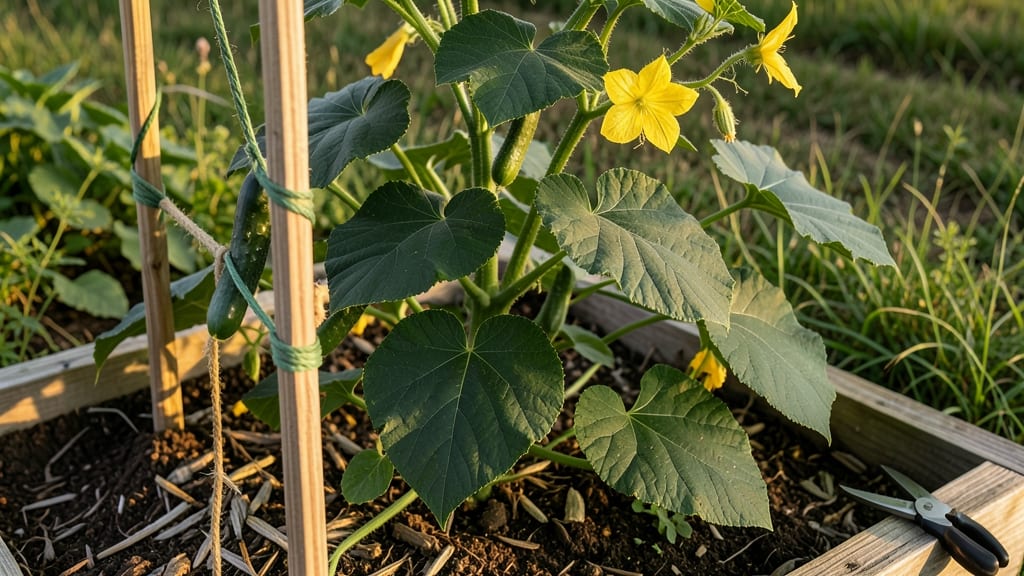
Learning how to tie up cucumbers saved my garden last summer—those sprawling vines once took over everything, shading out my plants and yielding only puny fruit. A sturdy trellis changed everything: cleaner plants, bigger harvests, and no more wrestling with tangled vines.
You'll need just three simple tools: a strong trellis (or sturdy stakes), soft plant ties (or old fabric strips), and a pair of pruning shears. The key is starting early—when vines reach 12-18 inches—so they grow upward naturally.
This isn't just about aesthetics; it prevents diseases like powdery mildew by improving airflow and keeps fruit cleaner off the ground. Once tied, you'll see vines climb 3-4 feet higher than when left sprawling, with cucumbers growing straighter and ripening faster.
The harvest becomes easier too—no more digging through foliage to find hidden fruit. Plus, your garden layout stays organized, giving other plants their fair share of sunlight. Maintenance is minimal: check ties weekly as vines grow, and prune side shoots that form below the trellis.
This method works for all cucumber varieties, whether you're growing in containers or a full garden bed. Ready to turn those rambling vines into productive climbers?
📚 In This Guide
- What you need
- Instructions
- Tips and common mistakes
- Wrapping up and next steps
What you need
- ● Cucumber plants: Healthy, established vines (3–5 weeks old, ideally with 2–3 leaves). Pro tip: Choose bushy varieties like 'Straight Eight' or 'Marketmore' for best results!
- ● Trellis or support structure: Bamboo stakes: 5–6 ft tall, 1–2 inches in diameter (quantity: 1 per plant or every 2–3 plants).
- ○ Metal/wooden trellis: 4–6 ft tall, 2–3 ft wide (e.g., A-frame, netting, or wire mesh). Optional: Use a cucumber cage (5–6 ft tall) if you prefer low-maintenance support.
- ● Soft plant ties: Jute twine or cotton twine: 3–4 mm thick, biodegradable (quantity: 10–15 ft per plant).
- ● Velcro plant straps or plastic plant ties: Reusable, adjustable (quantity: 3–4 per plant).
- ● Pruning shears: Sharp, clean (for trimming excess growth).
- ○ Garden twine (optional): For securing larger trellis structures to the ground.
- ● Soft cloth or rubber sleeves: To protect vines from twine rubbing (especially for tender varieties).
- ● Plant clips: Reusable plastic clips for gentle, no-tie support.
- ● Fertilizer spikes: Slow-release, balanced (10-10-10) for nutrient boosts as vines climb.
- ● Mulch: Straw or shredded leaves to retain moisture and suppress weeds.
How to tie up cucumbers: step-by-step trellising for healthier plants
Here’s the simple method I’ve used for years to keep cucumber vines tidy, boost airflow, and nearly double my harvest.
Choose and Set Up Your Trellis System
Start with a sturdy trellis that’s at least 4 feet tall for standard cucumber varieties. I like using T-posts with wire mesh or wooden stakes with twine because they’re easy to assemble and won’t rot quickly. Place your trellis 12-18 inches away from the cucumber plants—this gives vines room to sprawl initially before training them upward.
If you’re using a cage-style trellis, position it directly over the plant at planting time. For string or wire systems, install it after the vines have 2-3 leaves but before they start running. The key is to avoid disturbing the roots once growth is underway. Water the plants deeply the day before you set up the trellis—this helps reduce shock.
Train the Main Stem Upward
Wait until the cucumber vine has 4-5 true leaves before starting to tie. This gives the plant enough energy to support itself. Gently guide the main stem upward along the trellis, using your fingers to coil it loosely around the support. Don’t force it—you’ll snap tender stems if you’re too rough.
When the vine reaches the top of the trellis, pinch off the growing tip. This encourages the plant to put energy into side shoots rather than climbing higher. I like to use soft garden twine or old T-shirts cut into strips for tying—these materials won’t damage the stems as they thicken. Tie the vine every 6-12 inches as it grows, adjusting the twine loosely so it can still thicken.
Manage Side Shoots and Fruit Production
Once the main stem is secured, focus on the side shoots that form at leaf junctions. Let every other shoot grow upward while pinching off the rest. This creates a bushier framework without overcrowding. For cucumbers that produce fruit on both main stems and side shoots (like bush varieties), leave 2-3 side shoots per main stem to maximize yield.
Here’s the trick I learned the hard way: never let fruit hang below the lowest tie. The weight can pull the vine loose, and the fruit will rot on the ground. Instead, tie fruit-bearing stems to the trellis as they develop, using soft loops of twine. You’ll see a noticeable difference in clean, accessible fruit within a few weeks.
Prune and Maintain Through the Season
Every 2-3 weeks, check for yellowing leaves or overcrowded growth. Remove any leaves that grow below the bottom third of the trellis—these block airflow and invite disease. Also, trim back any weak or diseased stems immediately. Healthy cucumber plants should have plenty of light reaching the lower leaves, even as they climb.
Water at the base of the plant in the morning to keep vines from becoming waterlogged. If your trellis sways in wind or rain, add stakes or additional support to prevent damage. By mid-season, your cucumbers should look like a lush, organized curtain rather than a tangled mess. This isn’t just about looks—proper trellising keeps fruit cleaner, reduces pests, and makes harvesting a breeze.
Harvest and Clean Up for Next Year
Harvest cucumbers when they’re firm and fully colored, usually 5-7 days after flowering. Twist gently to avoid damaging the vine, or use pruning shears for larger fruit. After the first frost (or when vines turn yellow), cut the plants at the base and remove all debris from the garden. This prevents pests and diseases from overwintering.
If you’re saving seeds, let 1-2 cucumbers per plant mature fully on the vine before harvesting. Otherwise, compost the remaining vines and replace the trellis if it’s worn out. I like to mark my trellis spots with stakes or flags so I know exactly where to plant next year—saves time and keeps the garden organized.
Tips & tricks for perfect cucumber trellising
These simple strategies will transform your cucumber plants from sprawling messes into productive, organized powerhouses.
Timing is Everything: I can't stress enough how critical the 4-5 leaf stage is before you start tying. This gives your plants the energy to support themselves while still being flexible enough to handle the trellis. I've seen beginners try to tie too early and end up snapping tender stems—don't make that mistake. Also, that deep watering the day before setup makes all the difference in preventing shock to the plants.
Tie Material Matters: Soft garden twine or old T-shirt strips work best because they're gentle on the stems as they thicken. I've tried cheap plastic ties that cut into the vines over time, and trust me, you'll regret it. The twine should be loose enough to allow the stem to grow thicker without constriction. Think of it like giving your plant a supportive hug that grows with it.
Pruning Strategy: The "every other shoot" rule is your secret weapon for bushier plants. I learned this after years of over-pruning and wondering why my yields weren't what they should be. Let those side shoots grow—each one becomes a potential fruit-bearing branch. And remember, that 5-7 day window after flowering is when cucumbers are at their peak for harvesting. Mark your calendar so you don't miss it.
Season-Long Maintenance: That 2-3 week pruning schedule keeps your plants healthy all season. I set a reminder on my phone for every 21 days to check for yellowing leaves and overcrowding. It's amazing how much difference proper airflow makes—you'll see fewer pests and diseases when you keep the lower leaves trimmed. And if your trellis starts swaying, reinforce it immediately. Nothing ruins a good harvest like a toppled trellis.
Pro Tips for Tie Up Cucumbers
- These simple strategies will transform your cucumber plants from sprawling messes into productive, organized powerhouses.
- Timing is Everything: I can't stress enough how critical the 4-5 leaf stage is before you start tying.
- Tie Material Matters: Soft garden twine or old T-shirt strips work best because they're gentle on the stems as they thicken.
Frequently asked questions
Got questions about tying up cucumbers? You’re not alone! Here are some of the most common concerns—plus quick, actionable answers to keep your vines thriving.
Why should I tie up cucumbers at all?
Tying up cucumbers improves air circulation, reduces disease risk (like powdery mildew), and directs energy toward fruit production instead of sprawling vines. Plus, it makes harvesting easier and keeps your garden looking tidy!
When is the best time to start tying cucumbers?
Begin when vines are 3–4 inches tall and have a few true leaves. Wait too long, and the plants may struggle to support themselves. For fast-growing varieties, check them weekly—you might need to tie more often as they grow!
What if my cucumbers are already sprawling? Can I still tie them up?
Gently guide the vines upward using soft ties (like old T-shirts or twine) and secure them to the trellis. It’ll take a little extra patience, but your plants will adapt. Just avoid yanking—go slow to prevent damage.
How tight should the ties be?
The ties should be snug but not restrictive. Think “gentle hug”—tight enough to hold the vine in place but loose enough to allow growth. Check ties every few days, especially after rain, as they can loosen or tighten over time.
What if my cucumbers wilt or droop after tying?
This usually means the vine is stressed from sudden support. Water deeply before tying, and avoid tying in hot afternoons. If wilting persists, check for pests (like cucumber beetles) or overwatering. A little shade cloth can help stressed plants recover!
Can I reuse ties from year to year?
Reusing ties is fine if they’re still in good condition (no fraying or mold). Just sanitize them with a vinegar soak to prevent disease spread. For organic gardens, opt for natural fibers like jute or hemp, which break down safely.
Wrapping up and next steps
Tying up your cucumbers isn’t just about tidiness—it’s a game-changer for healthier vines, bigger harvests, and easier maintenance! 🌱 With the right trellis, tools, and techniques, you’ll transform sprawling chaos into a productive, space-saving garden gem.
Whether you’re a beginner or a seasoned gardener, every knot you tie is a step toward juicier cucumbers and less stress.
Ready to elevate your garden game? Grab your twine, pick your favorite trellis style, and get tying! Once your cucumbers are climbing happily, explore advanced pruning tips or companion planting tricks to keep the magic going. Your future harvests will thank you! 🌟