
How To
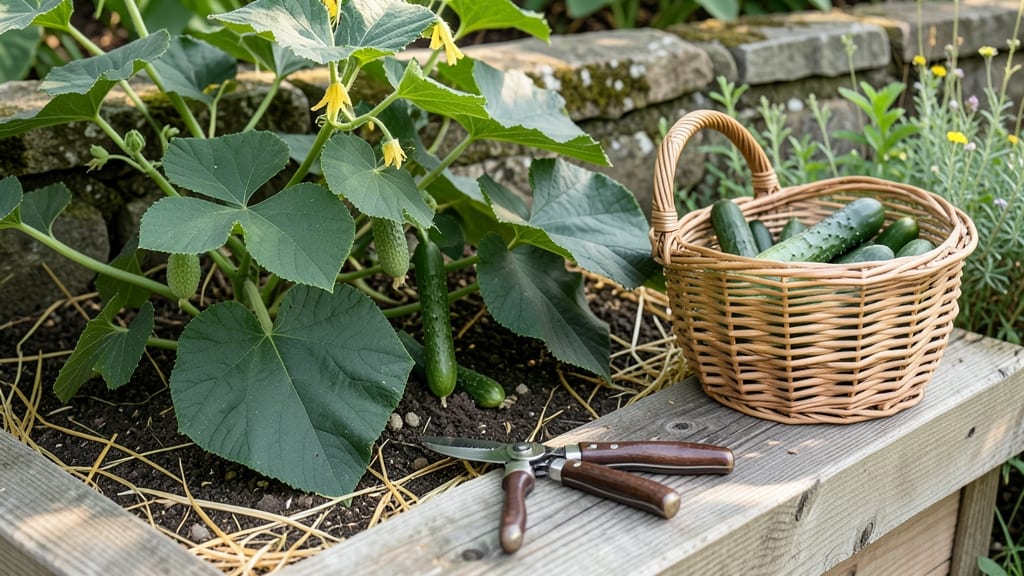
Telling when cucumbers are ripe means catching them at the peak of flavor—firm, crisp, and packed with sweetness before they turn seedy or bitter.
Picture this: You’ve been waiting weeks for that first perfect 🥒, only to slice into a watery, overripe mess or a tiny, hard nub that’s barely worth the effort.
The difference between a salad winner and a kitchen discard comes down to three simple tactile tests that most gardeners miss.
Whether you’re growing slicing cucumbers for sandwiches or pickling varieties for jars, knowing the exact moment to harvest saves you from wasted vines and maximizes your harvest. Below, I’ll walk you through the visual and hands-on cues that guarantee you pick cucumbers at their best—every time.
You’ll learn how to read skin texture, check firmness, and spot the telltale color shifts that signal it’s time to grab your shears. No more guessing, no more regrets—just perfectly ripe cucumbers straight from the vine to your plate.


3 Tactile tests to determine cucumber ripeness (with visual cues)
Nothing beats the satisfaction of plucking a perfectly ripe cucumber straight from the vine—crisp, seedless, and bursting with fresh flavor. But without clear cues, you might end up with overripe, seedy cucumbers or underripe ones that taste bland.
The key lies in your hands and eyes: tactile tests reveal ripeness better than any calendar can.
Cucumbers don’t ripen off the vine like tomatoes, so timing your harvest is everything. A firm cucumber with a smooth skin and deep color is your ticket to culinary success.
But how do you know for sure? Let’s break down the three tactile tests that’ll transform your harvesting game—no guesswork required.
| Test | Underripe | Perfectly Ripe | Overripe |
|---|---|---|---|
| Skin Texture | Rough, bumpy | Smooth, slightly waxy | Soft, wrinkled |
| Firmness Test | Hard as a rock | Firm but yields slightly | Mushy, squishy |
| Color Uniformity | Pale green, patchy | Deep, even green | Yellowing, dull |
| Stem Check | Green stem end | Yellow stem end (slicing) or white blossom end (pickling) | Brown, shriveled |
First up: the skin texture test. Run your fingers along the cucumber’s surface. A perfectly ripe cucumber feels smooth and slightly waxy, almost like a baby’s skin.
If it’s bumpy or rough, it’s underripe and still hardening. Wrinkled or soft skin? That’s a red flag for overripe cucumbers—time to harvest before they turn to mush.
Next, perform the firmness test with your thumb. Press gently near the middle of the cucumber. A ripe cucumber should feel firm but yield slightly—like a ripe avocado. If it’s rock-hard, it needs more time on the vine.
If it feels mushy or squishy, it’s past its prime and will taste bitter or seedy. This test is especially critical for slicing varieties, which lose crispness fast.
The color uniformity test is a visual-tactile hybrid. Hold the cucumber up to the light and check for even coloration. A ripe cucumber should be a deep, consistent green (or the expected color for heirloom varieties).
Pale or patchy spots mean it’s underripe. Yellowing or dulling? That’s your cue to harvest before it spoils. Pro tip: Pickling cucumbers often have a white blossom end when ripe—don’t overlook this detail!
Finally, the stem check reveals the cucumber’s maturity stage. Look at the end where it attached to the vine. A yellow stem end signals ripeness for slicing types, while a white blossom end means pickling cucumbers are ready.
If the stem is still green**, the cucumber isn’t ripe yet. A brown or shriveled stem? You’ve missed the boat—it’s overripe and best used for cooking or compost.
Harvesting at the right stage isn’t just about taste—it’s about encouraging more production. Overripe cucumbers signal the plant to stop producing, so frequent checks (every 2-3 days) keep your vine happy and your table full.
Plus, ripe cucumbers store better, so you’ll waste less and enjoy more of that garden-fresh goodness.
Master these three tactile tests, and you’ll never again pick a cucumber that’s too tough, too seedy, or too bitter. Your salads, snacks, and pickling jars will thank you—one crisp, perfectly ripe bite at a time. Grab your gloves and get testing!
When to harvest cucumbers for different uses (salads vs. pickling vs. cooking)
Not all cucumbers are created equal—especially when it comes to harvest timing based on your end goal. A salad cucumber needs crisp tenderness, while pickling cucumbers should be small and firm. Even heirloom varieties behave differently than hybrids, so let’s break down the exact cues you need to watch for.
For salad cucumbers, aim for a length of 6-8 inches with a deep, even green color. The skin should yield slightly to gentle pressure but still feel firm—like a baseball. Look for a yellow stem end, which signals peak ripeness for slicing varieties.
Heirlooms like 'Lemon Cucumber' may develop yellow stripes at this stage, while hybrids like 'Straight Eight' stay uniformly green.
| Use | Size | Color | Texture | Stem End |
|---|---|---|---|---|
| Salad | 6-8" | Deep green | Firm but slightly yielding | Yellow |
| Pickling | 2-4" | Bright green | Very firm | White blossom end |
| Cooking | 8-10" | Yellowing or light green | Softer skin | Yellow or brown |
| Heirloom | Varies (4-12") | Striped or mottled | Thinner skin | Yellow or green |
Pickling cucumbers should be harvested at 2-4 inches when they’re still bright green and rock-hard. These varieties (like 'Boston Pickling') develop a white blossom end—the tiny stem cap near the vine—when they’re perfect for fermenting. If you wait too long, they’ll grow too large and develop seeds, ruining the crunch.
For cooking or stir-frying, let cucumbers mature slightly longer—8-10 inches—until the skin starts to yellow or lighten. These cucumbers will be softer and sweeter, ideal for dishes where texture isn’t the focus.
Hybrid varieties like 'Chinese Long' often develop a waxy coating at this stage, while heirlooms may crack or split, so harvest them before that happens.
Heirloom varieties deserve extra attention. Many develop striped or mottled skins (like 'Armenian' or 'Corinto'), and their harvest window is narrower. Watch for skin texture changes—when the surface feels slightly dull instead of shiny, it’s time to pick.
These varieties also stop producing once the first cucumbers turn yellow, so stay vigilant!
Pro tip: Harvest every 2-3 days to keep plants productive. Use clean pruners or your hands to avoid damaging vines, and always leave 1 inch of stem attached to prevent rot. The more you pick, the more your plants will reward you with fresh, flavorful cucumbers all season long. 🥒