
Plants
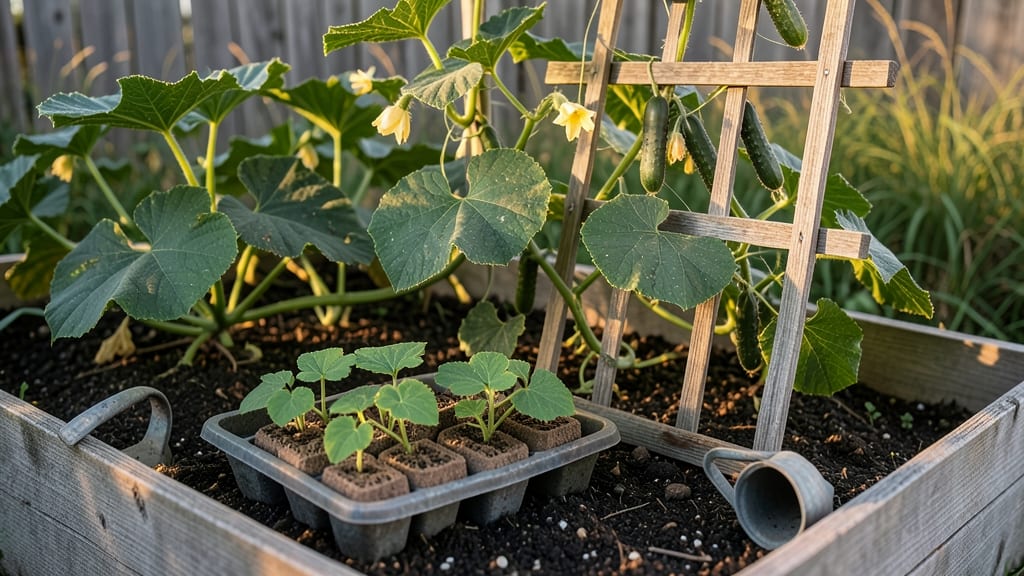
Plant cucumbers in Nebraska after the last frost date — typically mid-April to early May — when soil temperatures hit 60°F and all frost risk has passed.
Nebraska’s unpredictable climate can make or break your cucumber harvest—planting at the wrong time means stunted growth or lost yields, while timing it perfectly ensures a bounty of crisp, homegrown cucumbers all summer long.
If you’ve ever watched your 🥒 seedlings wilt overnight after a late frost, you know how quickly things can go wrong. The key is knowing your hardiness zone (5a-6b) and adjusting your planting window to match local frost dates.
Below, I’ll break down the best planting times for each zone, whether to start seeds indoors or sow directly, and how to extend your growing season with simple tricks like row covers and companion planting.
Nebraska’s frost-free dates by hardiness zones for cucumber planting
Nebraska’s USDA hardiness zones 4-6 create unique challenges for cucumber growers. The average last frost dates vary dramatically across the state—from mid-April in the southeast to early May in the northwest—meaning your planting window depends heavily on where you live.
Cucumbers (Cucumis sativus) are warm-season crops that thrive when soil temperatures hit 60°F or higher, so timing is everything to avoid frost damage or stunted growth.
In Zone 4 (western Nebraska), gardeners face the shortest growing seasons, while Zone 6 (eastern Nebraska) enjoys an extra 2-3 weeks of warmth. Even within the same zone, microclimates—like urban heat islands or sheltered valleys—can shift your ideal planting date by 1-2 weeks.
Understanding these variations helps you maximize yields and avoid common pitfalls like blossom-end rot from temperature swings.
Below, I’ve broken down Nebraska’s frost-free dates by zone, including early, mid, and late-season planting strategies to ensure your cucumbers get a strong start. Whether you’re sowing seeds directly or transplanting 4-6 week old seedlings, these guidelines will help you time it perfectly for a productive harvest.
Pro Tip: Always monitor the National Weather Service’s local frost advisories and use a soil thermometer to confirm temperatures before planting. A false spring frost in April can wipe out young plants overnight.
In Zone 4, where frost lingers until early May, I recommend starting seeds indoors 4-6 weeks before your last frost date. Use grow lights to prevent leggy seedlings, then transplant hardened-off seedlings after Memorial Day weekend.
For direct sowing, wait until the soil temperature consistently stays above 60°F—usually mid
How to extend Nebraska’s cucumber growing season with smart techniques
Nebraska’s short growing season can feel like a race against time for cucumber lovers. With frost-free windows as short as 165 days in some zones, every extra week counts.
The key to success? Protective barriers and season-extending tools that shield tender plants from late frosts and early chills while maximizing sunlight exposure.
I’ve tested multiple methods over the years—from simple frost cloths to more permanent cold frames—and discovered that combining these strategies can push your harvest 3-4 weeks later than the average Nebraska garden.
Even in USDA Zone 4, where winters are harshest, you can still enjoy fresh cucumbers well into September with the right approach.
🌱 When to Plant Cucumbers in Nebraska
Start indoors 4-6 weeks before your last frost date (typically mid-April in most areas). Transplant outdoors after soil reaches 60°F and all frost danger has passed. For Zone 5-6, this is usually late April to early May.
One of my favorite tools is floating row covers, which create a 3-5°F warmer microclimate under the fabric. These lightweight covers let sunlight and water through while blocking light frosts down to 28°F.
I use them on young seedlings until they’re at least 6 inches tall and well-established, which gives me an extra 2-3 weeks of protection against late spring chills.
Cold frames are another game-changer for extending harvests into fall. A simple DIY cold frame made from Plexiglas or polycarbonate can keep soil temperatures 10-15°F warmer than ambient air. I’ve seen cucumbers continue producing until mid-October in Zone 5 when using a cold frame, even when daytime highs dip into the 50s°F range.
Don’t overlook the power of companion planting either. Pairing cucumbers with bush beans or radishes improves air circulation and deters pests, while marigolds planted nearby repel cucumber beetles. I also recommend mulching heavily with straw to maintain even soil temperatures and reduce watering needs during Nebraska’s unpredictable summer weather.
For those who want to go the extra mile, consider using a low tunnel hoop house covered with clear plastic. This creates a greenhouse effect that can extend your growing season by 6-8 weeks in both directions.
Just be sure to ventilate on warm days to prevent overheating—cucumbers need consistent airflow to thrive.
With these techniques, you can transform Nebraska’s short growing season into a longer, more productive harvest. The secret isn’t just about planting early—it’s about protecting your plants at every stage and giving them the best possible conditions to flourish.
Try one or two of these methods this year, and you’ll be rewarded with cucumbers well past the usual harvest window! 🥒