
Container Gardens
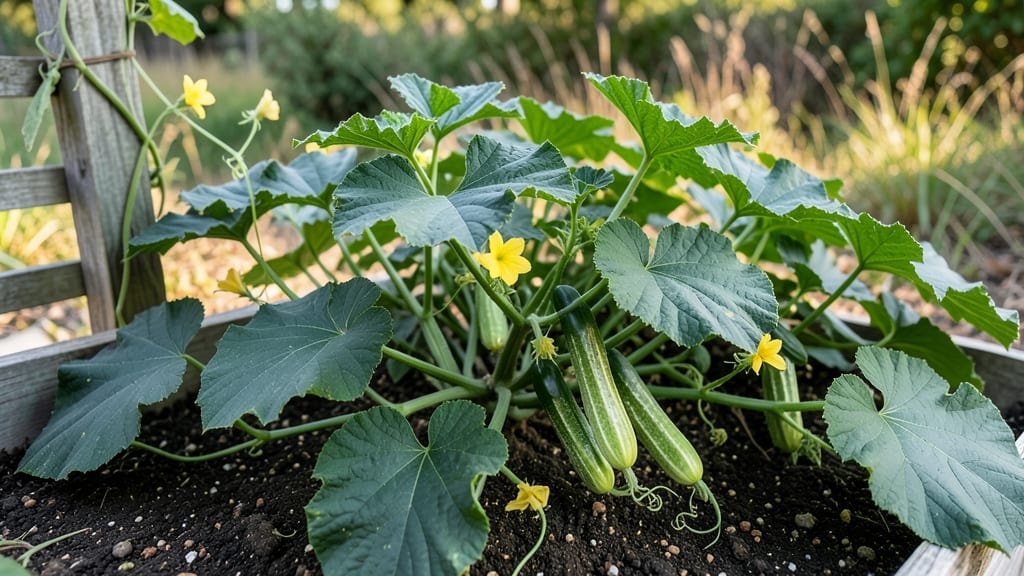
Here are cucumber growing instructions that’ll turn even a tiny balcony into a harvest hub—no green thumb required. Within 60 days, you’ll go from seed to harvest, with plants that climb instead of sprawl.
The right setup makes all the difference: bush varieties for small pots, trellises to save space, and soil that drains fast but holds moisture. Skip the heavy garden soil—cucumbers hate soggy roots—and opt for a mix of compost and perlite.
Water consistently (never let them dry out) and watch those tendrils take over your trellis by mid-July. By late summer, you’ll be snapping off 12-inch cucumbers that taste sweeter than anything from the store. The plants stay productive for weeks, and you avoid the pests that plague ground gardens.
Even my black thumb got this right after one season. Works for balconies, patios, or sunny windowsills—just tweak the variety for your space. Here’s how to nail every step without the guesswork.
📚 In This Guide
- What you need
- Instructions
- Tips and common mistakes
- Wrapping up and next steps
What you need
- ○ Container: At least 5-gallon bucket or larger (12" deep, 12" diameter minimum). Optional: Fabric grow bags or self-watering pots for better drainage.
- ● Potting Mix: 10-15 lbs of high-quality, well-draining container mix (avoid garden soil—it compacts!). Pro tip: Mix in 1 part perlite to 3 parts soil for extra aeration. 💡
- ● Cucumber Seeds or Seedlings: Seeds: 2-3 parthenocarpic varieties (like ‘Straight Eight’ or ‘Marketmore’) for guaranteed fruit without pollination.
- ● Seedlings: 1-2 healthy, disease-free plants (check local nurseries for container-friendly options).
- ● Fertilizer: Starting: Balanced liquid fertilizer (10-10-10) or compost tea to kickstart growth.
- ● Growth: High-potassium fertilizer (5-10-10) once vines appear (follow label rates).
- ● Trellis or Cage: 5-6 ft tall (bamboo, metal, or plastic). Why? Cucumbers climb = more space, better air circulation, and fewer pests! 🌿
- ● Watering Can or Drip System: 1-2 gallons capacity with a gentle spray nozzle (containers dry out fast!).
- ● Mulch: 2-3 inches of straw or shredded leaves to retain moisture and suppress weeds.
- ● Sunlight: 6-8 hours of full sun daily (south-facing spot is ideal). No sun? Supplement with a grow light (12+ hours/day).
- ● Temperature: Ideal 70-90°F during the day, 60°F+ at night. Chilly? Use a cloche or row cover for early starts. 🌡️
- ● Space: 12" apart if growing multiple plants in one container (or 1 plant per 5-gallon container).
- ● Patience: Germination takes 5-10 days; harvest-ready in 50-60 days!
Step-by-Step instructions for growing cucumbers in containers
Here's how to grow four healthy, productive cucumber plants in containers—no yard needed.
🌱 Step 1: Choose the Right Containers and Soil
Use 5-gallon buckets or large fabric grow bags for each plant—cucumbers need deep roots and plenty of space. Drill drainage holes in the bottom if they don’t have them. Fill each container with high-quality potting mix (not garden soil) mixed with one cup of compost per container. This gives roots room to spread and prevents waterlogging.
Moisten the soil until it feels like a damp sponge—you shouldn’t see puddles, but it shouldn’t be bone-dry either. Press it down lightly to remove air pockets. I like to add a handful of perlite to each container to keep the mix light and well-draining. This prevents root rot, which is a common killer of container cucumbers.
☀️ Step 2: Plant Seeds at the Right Depth and Time
Plant 4 cucumber seeds per container, 1 inch deep, spacing them evenly around the edges. Use burpless or bush varieties like 'Bush Champion' or 'Spacemaster'—they’re bred for containers and won’t sprawl uncontrollably. After planting, water gently until the soil is evenly moist but not soggy.
Place the containers in a warm, sunny spot (at least 6-8 hours of direct sunlight daily). Cucumbers thrive in 70-90°F soil temperatures, so wait until after your last frost date or use a seedling heat mat if starting early indoors. You’ll see sprouts in 5-10 days—keep the soil consistently moist until germination.
💧 Step 3: Water and Fertilize for Strong Growth
Water deeply once a week, aiming for 1-2 gallons per container, until the top inch of soil feels dry. Cucumbers are thirsty plants, but overwatering leads to weak stems and disease. I like to water in the early morning so leaves dry quickly—this prevents fungal issues like powdery mildew.
After the first true leaves appear, feed the plants with a balanced liquid fertilizer (like 10-10-10) every 2 weeks. Dilute it to half-strength to avoid burning the roots. You’ll know they’re happy when they start climbing or vining vigorously—this is their natural growth habit, even in containers.
✂️ Step 4: Train Vines and Prune for Better Yields
If your cucumbers start to sprawl, install small trellises or stakes (3-4 feet tall) in each container. Gently tie the main vine to the support with soft plant ties as it grows—this keeps the plants upright and makes harvesting easier. Prune any yellow or diseased leaves immediately to redirect the plant’s energy to fruit production.
Pinch off the first few flowers that appear. This might seem counterintuitive, but it encourages the plant to focus on growing stronger vines and leaves first. Once the plant is established (after 4-6 weeks), let the flowers bloom freely. You’ll see cucumbers forming in 3-4 weeks after flowering.
🍉 Step 5: Harvest and Maintain Through the Season
Harvest cucumbers when they’re 6-8 inches long and firm to the touch—this encourages more production. Use pruning shears or a sharp knife to cut them from the vine, leaving a small stem attached. Check the plants every 2-3 days during peak season, as cucumbers ripen quickly and can turn bitter if left too long.
Continue fertilizing lightly every 2 weeks and water consistently. If the vines slow down or leaves yellow, it’s often a sign of nutrient deficiency or underwatering. Adjust your care routine accordingly. With proper maintenance, your container cucumbers can produce fruit for 60-90 days—plenty of time for a bountiful harvest!
Tips & tricks for thriving container cucumbers
Container gardening doesn't have to mean sacrificing big harvests—these simple tricks will help your cucumbers flourish in limited space.
Container Selection: While 5-gallon buckets work perfectly, consider adding a few extra holes in the bottom if your containers don't have them. I've found that adding a layer of landscape fabric over the drainage holes prevents soil from washing out while still allowing excess water to escape. This keeps your potting mix from compacting over time, which is crucial for those deep cucumber roots.
Soil Temperature Secret: Those 70-90°F soil temperatures in Step 2 are non-negotiable for germination. If you're starting seeds indoors before your last frost, place your containers on a seedling heat mat set to 75°F. I've seen germination rates jump from 60% to nearly 90% when maintaining consistent warmth. For outdoor planting, choose black containers—they absorb and retain heat better than lighter colors.
Watering Wisdom: The once-weekly watering guideline works best in ideal conditions, but your mileage may vary. I recommend checking soil moisture by sticking your finger 1-2 inches deep—if it feels dry, water thoroughly. For containers on patios or balconies, you might need to water every 5-6 days, especially during hot afternoons. The key is to keep the soil consistently moist but never soggy, which is where that perlite comes into play.
Pruning Strategy: When you pinch off those first few flowers in Step 4, focus on removing only the male flowers—they look like tiny buds without the swollen base. Female flowers (the ones that will produce fruit) have a tiny cucumber at their base. By letting the female flowers bloom first, you're encouraging the plant to develop stronger vines that can support the weight of future cucumbers.
Pro Tips for Cucumber Growing Instructions
- Container gardening doesn't have to mean sacrificing big harvests—these simple tricks will help your cucumbers flourish in limited space.
- Container Selection: While 5-gallon buckets work perfectly, consider adding a few extra holes in the bottom if your containers don't have them.
- Soil Temperature Secret: Those 70-90°F soil temperatures in Step 2 are non-negotiable for germination.
Frequently asked questions
Got questions about growing cucumbers in containers?
You’re not alone! Here are answers to the most common concerns—from timing to troubleshooting—so you can grow crisp, homegrown cucumbers like a pro.
How long does it take for cucumbers to grow in a container?
With the right care, you can harvest cucumbers in 60–70 days from planting! Fast-maturing varieties like ‘Bush Champion’ or ‘Spacemaster’ often produce fruit sooner. Start seeds indoors 2–3 weeks before the last frost, or buy transplants for a head start. Patience pays off—just keep an eye on those vines!
What’s the best temperature for growing cucumbers in containers?
Cucumbers thrive in warm soil (70–90°F) and air temperatures. They’re frost-sensitive, so wait until nighttime temps stay above 55°F before planting outdoors. If your climate is cool, use black plastic mulch or a cold frame to warm the soil. Too hot? Provide afternoon shade to prevent sunscald on fruits.
Why are my cucumber leaves turning yellow?
Yellow leaves usually signal overwatering, underwatering, or pests. Check the soil—it should stay moist but not soggy. Pests like aphids or spider mites can also cause yellowing. Spray leaves with neem oil or introduce beneficial insects like ladybugs. If the issue persists, test your soil’s pH (ideal: 6.0–6.8).
Can I grow cucumbers in a container without trellising?
Yes, but expect smaller yields and more crowded plants. Bush varieties (like ‘Diva’ or ‘Sweet Success’) do well without trellises, but they’ll sprawl. If space is tight, use a 5-gallon container or larger and prune vines to encourage upward growth. Trellising still saves space and improves air circulation, reducing disease risk.
How often should I fertilize container cucumbers?
Feed cucumbers every 2–3 weeks with a balanced, water-soluble fertilizer (like 10-10-10) or compost tea. Start when flowers appear and continue until harvest. Avoid over-fertilizing—too much nitrogen = leafy vines, fewer cucumbers! For organic options, use worm castings or fish emulsion.
What can I do if my cucumbers taste bitter?
Bitter cucumbers often grow from heat stress, overmaturity, or poor pollination. Harvest them younger (4–6 inches) for milder flavor. Ensure consistent watering and mulch to keep roots cool. If bees aren’t pollinating, gently shake plants or hand-pollinate with a paintbrush. Varieties like ‘Straight Eight’ are bred for sweetness!
Wrapping up and next steps
Growing cucumbers in containers is simpler than you think—and oh-so-rewarding! 🌱 With the right soil, sunlight, and a little patience, you’ll be harvesting crisp, homegrown cucumbers in just 60 days.
Whether you’re a beginner or a seasoned gardener, these steps make it easy to turn your balcony or patio into a thriving mini-farm.
Now that you’re armed with the know-how, roll up your sleeves and get planting! Start small, experiment with varieties, and soon you’ll be enjoying fresh cucumbers straight from your container garden. Happy growing—and bon appétit! 🥒✨