
How To
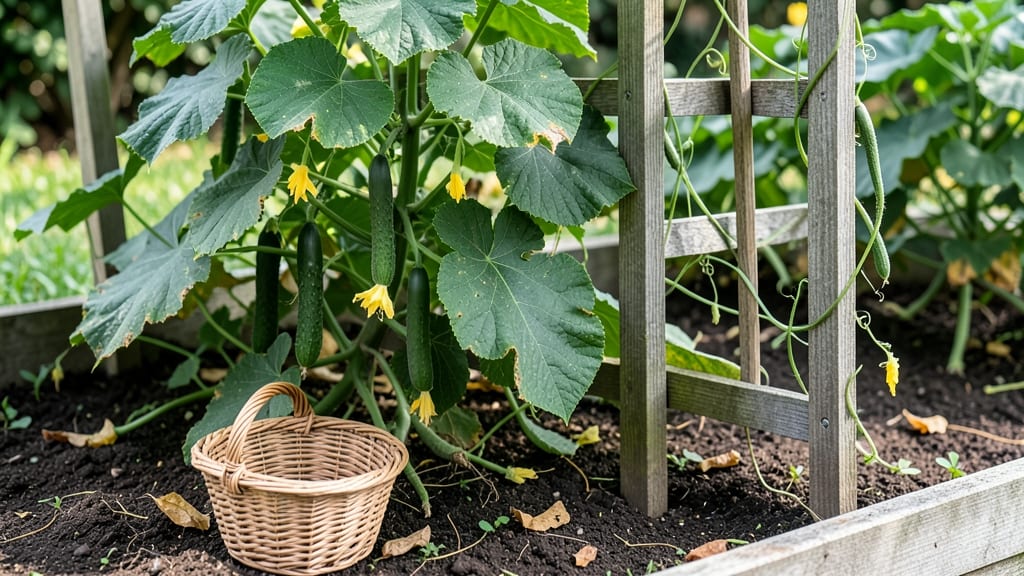
To tell when cucumbers are ready to pick, watch for three simple cues: size, color, and skin texture—these signals mark the difference between a crisp, flavorful harvest and a bitter, seedy disappointment.
Picture this: you’ve been waiting weeks for your 🥒 cucumbers to ripen, only to pull one that’s too small and hard or already overripe and mealy.
The key is catching them at that perfect window—when they’re firm but yield slightly to pressure, deep in color, and just the right length for their variety.
Whether you’re growing slicing cucumbers for salads or pickling varieties for jars, timing your harvest makes all the difference. Miss it, and you’ll end up with a garden full of oversized, bitter fruits instead of a steady supply of fresh, tender veggies.
In this guide, I’ll break down the exact visual and tactile clues to harvest cucumbers at peak ripeness, plus pro tips to keep your plants producing all season long.


Cucumber size and shape: the 3 critical measurements for perfect harvest
Harvesting cucumbers at the right size isn't just about waiting for them to grow—it's about understanding the 3 key measurements that define peak ripeness. Each cucumber variety has unique dimensions that signal when they're ready to pick, from slicing cucumbers to pickling varieties.
Ignoring these measurements can lead to bitter, seedy, or overly large cucumbers that compromise flavor and texture.
For slicing cucumbers, the ideal harvest size typically ranges between 6-8 inches in length. This size ensures they're crisp, tender, and packed with flavor. If you wait too long, they'll develop large seeds and a tough skin.
Meanwhile, pickling cucumbers like 'Boston Pickling' should be harvested at 2-3 inches—smaller and firmer for that perfect crunch.
Heirloom varieties often have more variation in size and shape, so always check the seed packet for specific guidelines. For example, 'Lemon Cucumber' should be 3-4 inches long when ready, while 'Armenian cucumbers' can grow up to 12 inches before harvesting. Shape also matters—look for straight, uniform growth rather than curved or misshapen cucumbers.
Here’s how to measure cucumbers accurately for harvest readiness:
| Variety Type | Ideal Length | Shape Cues | Harvest Time |
|---|---|---|---|
| Slicing (e.g., 'Straight Eight') | 6-8 inches | Straight, cylindrical | 50-60 days after planting |
| Pickling (e.g., 'Boston Pickling') | 2-3 inches | Small, round, bumpy | 45-55 days after planting |
| Heirloom (e.g., 'Lemon') | 3-4 inches | Curved, lemon-shaped | 55-65 days after planting |
| Armenian (e.g., 'Snake') | 10-12 inches | Long, slender, ribbed | 60-70 days after planting |
The stem end of a cucumber is a hidden indicator of ripeness. When it turns yellowish or brownish, it’s a clear sign the cucumber is ready to harvest. This change happens because the plant stops sending nutrients to the cucumber, signaling it’s reached maturity.
If the stem end remains green and firm, the cucumber needs more time on the vine.
Another critical measurement is the diameter of the cucumber. For most varieties, a 1-1.5 inch diameter is ideal. If you notice the cucumber swelling beyond this, it’s past its prime. Use your thumb to gently press the cucumber—if it yields slightly but doesn’t feel mushy, it’s ready.
A cucumber that’s too firm is underripe, while one that’s too soft is overripe.
Shape also plays a role in determining ripeness. For example, slicing cucumbers should have a smooth, even surface without deep grooves or bumps. If you see large, raised bumps or a curved, irregular shape, it’s likely overripe.
Heirloom varieties like 'Tyria' or 'Diva' may have natural bumps, but these should still be harvested before they become too pronounced.
Harvesting at the right size isn’t just about flavor—it’s also about encouraging more production. When you pick cucumbers regularly, the plant focuses its energy on producing new fruits rather than letting existing ones overgrow.
This leads to a continuous harvest throughout the growing season, giving you more cucumbers to enjoy.
Pro tip: Use a small pruning shears or sharp knife to harvest cucumbers. Cut them from the vine about 1 inch below the fruit to avoid damaging the plant.
This method also prevents disease from spreading through the stem. Always harvest in the morning when cucumbers are cool and crisp for the best quality.
Remember, consistency is key when harvesting cucumbers. Check your plants every 2-3 days to catch them at the perfect size. The more often you harvest, the more your cucumber plants will reward you with fresh, flavorful produce all season long.
Color and texture clues: why green isn’t always the answer
Cucumbers aren’t always bright green when ripe—some varieties develop striped patterns or yellowing spots as they mature. These color changes often signal peak flavor and texture, but they can also indicate overripeness.
For example, heirloom varieties like 'Lemon Cucumber' turn pale yellow when ready, while 'Straight Eight' stays dark green but develops a slightly waxy texture.
Don’t rely solely on color—skin texture is equally important. A ripe cucumber should feel slightly firm but yield to gentle pressure.
Bumpy tendrils (soft, hair-like growths) may still cling, but the skin should resist deep thumb pressure. Glossy surfaces often mean freshness, while dull or wrinkled skin suggests the cucumber is past its prime.
How to Tell When Cucumbers Are Ready to Pick
- Crisp, sweet flavor
- Thin, edible skin
- Encourages more fruit
- Prevents bitterness
- Bitter, seedy taste
- Thick, tough skin
- Reduced yield
- Risk of disease
Watch for stem changes too—the base should turn yellowish where it meets the vine. This is a universal sign of maturity, even in dark green varieties.
If the stem snaps cleanly when bent, it’s ready. Striped varieties like 'Patio Snacker' may develop white or yellow stripes as they ripen, but their texture remains the best indicator.
Overripe cucumbers often develop dull spots or wrinkled skin, especially in hot weather. These cucumbers taste bitter and have large, mature seeds.
If you notice soft, mushy patches, it’s too late—they’re past their prime. Heirloom types may also crack open if left too long, losing moisture and flavor.
For pickling cucumbers, harvest when 2-4 inches long—smaller size ensures crispness. Slicing varieties should reach 6-8 inches with a smooth, firm texture. Always check the stem end: a yellowed base means it’s time to pick, while a green stem signals it’s still developing.
Pro tip: Use a sharp knife or pruners to avoid damaging the vine. Pick in the morning when cucumbers are coolest and most flavorful. Store freshly picked cucumbers in the fridge for up to a week, but eat them within 3-5 days for the best taste. 🥒