
How To
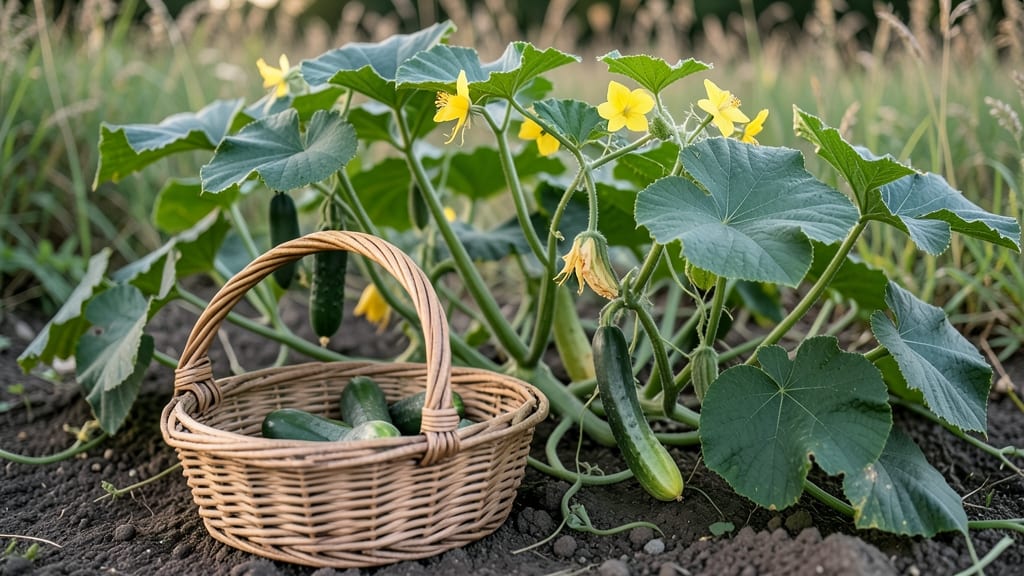
Knowing when to harvest cucumbers means catching them at the perfect crunch—before they turn bitter or mealy, and after they’ve grown enough to taste sweet and crisp 🥒.
Picking too early wastes flavor, but leaving them too long ruins the texture. Most gardeners end up with a mix of oversized, seedy cucumbers and tiny, underripe ones—yet the difference between perfect and ruined is just a few days (and a few simple checks).
Here’s how to tell when your cucumbers are ready: size, skin firmness, color depth, and even the way the stem separates from the vine. I’ll walk you through five tactile tests that take seconds but save you from bitter harvests.
By the end, you’ll know exactly when to snip—so you can enjoy crisp, sweet cucumbers all season long, whether you’re growing slicing types or pickling varieties.


5 Tactile tests to determine cucumber harvest readiness
Harvesting cucumbers at the right moment ensures maximum flavor and texture, but many gardeners rely on guesswork instead of proven tactile cues. The difference between a crisp, sweet cucumber and a seedy, bitter one often comes down to simple touch-based tests you can perform in seconds.
These methods work for both slicing and pickling varieties, giving you confidence every time you reach for your pruners.
I’ve tested these techniques across my slicing cucumbers (like 'Straight Eight') and pickling varieties (such as 'Boston Pickling'), and they consistently deliver foolproof results. The key is combining visual cues with physical tests—your fingers often know better than your eyes alone.
Let’s start with the simplest method that requires zero tools.
🌱 5 Tactile Tests for Perfect Cucumber Harvests
-
1. Thumbprint Test
Press your thumbnail into the cucumber’s skin. If it springs back slightly but leaves a faint indentation, it’s ready. No dent? Wait 1-2 days. Deep dent? It’s overripe. -
2. Stem Separation Trick
Gently twist the cucumber at its stem. If the stem separates cleanly with a slight crack, harvest immediately. If it resists, it’s not ready yet. -
3. Size Check
Measure against your hand: slicing cucumbers should be 6-8 inches long, while pickling varieties are perfect at 2-3 inches. Use your palm as a guide! -
4. Weight Test
Hold the cucumber in one hand—it should feel heavy for its size. Lightweight cucumbers are underripe; overly heavy ones are past their prime. -
5. Color Consistency
Run your fingers along the cucumber’s surface. Ready cucumbers have deep, even color with no pale patches. Uneven color means it needs more time.
The thumbprint test is my favorite because it works even when cucumbers are hidden under vines. I’ll often do this test first thing in the morning when the skin is firmer and cooler.
Pro tip: Harvest in the morning for the crispiest cucumbers—they’ve had all night to hydrate. If you miss the window, don’t panic; slightly underripe cucumbers can ripen on your counter for 1-2 days.
For pickling varieties, I prioritize the stem separation trick because these cucumbers are bred to stay small and firm. If the stem breaks easily, that’s your cue to grab your jar supplies! I’ve learned the hard way that waiting too long turns pickling cucumbers into oversized, seedy monsters.
The same rule applies to slicing cucumbers, but they have more leeway—you can harvest them 1-2 days before they’re technically perfect.
Color consistency often gets overlooked, but your fingers can reveal what your eyes miss. Run your hand along the cucumber’s length—ready cucumbers should feel smooth and uniformly colored. If you feel bumps or notice pale spots, it’s not ready.
This test is especially useful for yellow or heirloom varieties, where color changes can be subtle. I always check this last, after confirming size and firmness.
One mistake I see often is harvesting based solely on size. A 6-inch cucumber that’s still rock-hard isn’t ready, even if it meets your length expectations. Combine all five tests for the most accurate results.
For example, I’ll measure the cucumber against my hand, press my thumbnail, and check the stem before making the final call. This multi-step approach eliminates guesswork and ensures every cucumber you pick is at its peak.
Seasonal variations also affect ripeness. In hot climates, cucumbers ripen faster, so I check them every other day. In cooler weather, they take longer to mature. Pay attention to your local growing conditions—adjust your harvesting schedule accordingly.
If you’re growing bush varieties, they’ll produce smaller cucumbers that ripen quicker than vining types, so monitor them more frequently.
Remember, harvesting regularly encourages your plants to produce more. When I skip this step, my cucumber vines slow down or even stop producing. The 5-minute morning harvest routine has become non-negotiable in my garden.
Grab a basket, do these quick tests, and enjoy cucumbers that are crisp, sweet, and perfectly ripe every time.
Now that you’ve mastered these tactile tests, you’ll never second-guess your harvest again. The next time you’re standing in your garden with pruners in hand, trust your fingers—they’re your most reliable tool for determining cucumber readiness. Happy harvesting! 🥒
Cucumber variety-specific harvest times and common mistakes
Not all cucumbers are created equal—slicing and pickling varieties mature at different rates, and harvesting too early or late can ruin flavor and texture. Slicing cucumbers like 'Straight Eight' should be picked when 6-8 inches long, while pickling types such as 'Boston Pickling' reach ideal size at 2-3 inches.
Missing these windows means bitter, seedy, or overly soft produce.
Size isn’t the only clue—skin color and stem condition also signal readiness. Dark green cucumbers with a yellow or brown stem end are prime for slicing, while bright green pickling cucumbers with a firm, bumpy texture are perfect for fermenting.
Ignoring these cues often leads to overripe cucumbers that turn yellow and spongy.
Here’s a quick reference for variety-specific harvest times and the 3 biggest mistakes that ruin cucumber texture:
| Variety Type | Harvest Size | Ideal Color | Common Mistake |
|---|---|---|---|
| Slicing (e.g., 'Straight Eight') | 6-8 inches | Dark green | Overripe (yellow, soft) |
| Pickling (e.g., 'Boston Pickling') | 2-3 inches | Bright green | Underripe (hard, bitter) |
| All Varieties | N/A | N/A | Disease signs (spots, mold) |
The first mistake is harvesting overripe cucumbers—waiting too long turns them yellow and mushy. Second, picking underripe cucumbers (smaller than 4 inches) results in tough, bitter flesh. Third, ignoring disease signs like powdery mildew or spotted leaves can spread to your entire crop if you don’t act fast.
Pro tip: Use the 'thumbprint test'—press lightly with your thumbnail. If the skin springs back, it’s ready. If it leaves a dent, it’s past its prime. Morning harvests yield the crispest cucumbers, as daytime heat can soften them quickly.
For pickling cucumbers, aim for 2-3 inches—any larger and they’ll be too seedy for brining. Slicing varieties can wait until 8 inches, but check daily to avoid missing the sweet spot. Regular harvesting also boosts yield by encouraging the plant to produce more.
Don’t let these 3 texture-ruining mistakes turn your harvest into a disappointment. Pay attention to size, color, and firmness, and you’ll enjoy cucumbers at their peak—crisp, sweet, and perfect for slicing, pickling, or snacking straight from the vine! 🥒