
How To
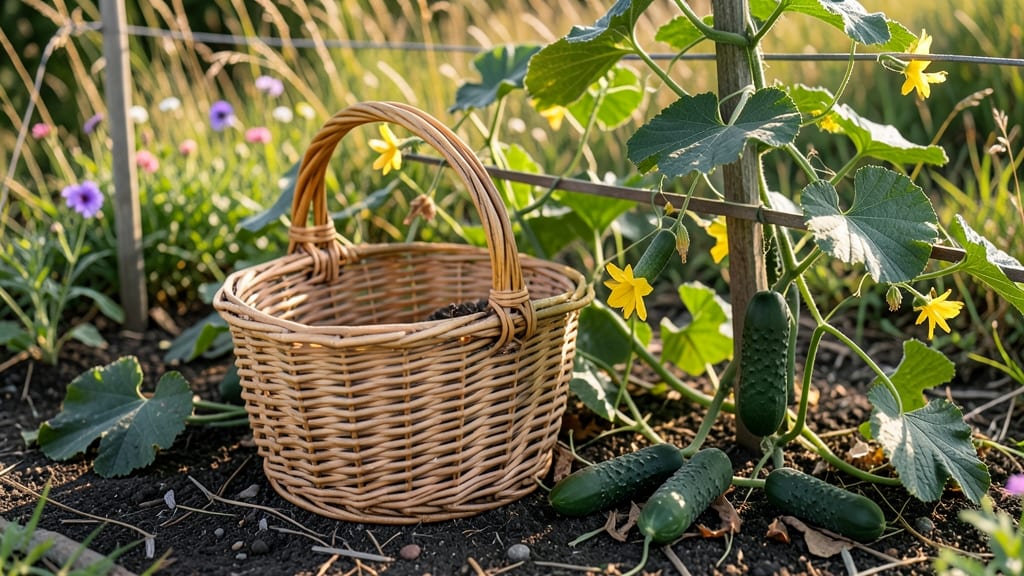
To pick Boston pickling cucumbers 🥒 at the perfect time means locking in that signature crunch and tang for homemade pickles—because once they pass their prime, all you’re left with is mealy, bitter disappointment.
Picture this: you’ve been waiting 60-70 days since planting, and now your vines are heavy with tiny green orbs. But here’s the catch—harvesting too early means underdeveloped flavor, while waiting too long turns them into sad, seedy relics. The window is narrow, and missing it ruins the whole batch.
Luckily, I’ve grown these Boston Pickling Cucumbers for years in Zone 6a, and I’ve cracked the code on when to snip.
It’s not just about days after planting (though that’s a start)—it’s about size, color, and a little trick with the stem that tells you exactly when to grab your shears.
Below, I’ll walk you through the three foolproof signs these cucumbers are ready, plus how to time your harvests for a steady supply from July through August. No more guesswork, just perfect pickles every time.


3 Key signs Boston pickling cucumbers are ready for harvest
Picking Boston pickling cucumbers at the perfect moment ensures your homemade pickles stay crisp and flavorful. These cucumbers are bred specifically for pickling, so timing is everything. Harvest too early, and you’ll waste potential; too late, and you’ll end up with bitter, seedy cucumbers that ruin your batch.
Let’s focus on the three clear signs these cucumbers are ready for harvest.
First, size matters most for Boston pickling cucumbers. Unlike slicing varieties, these should never grow larger than 3 inches. Their ideal harvest window is between 1.5 to 3 inches in length. This compact size ensures they’re tender enough for pickling without developing tough skins or large seeds.
Think of it like catching a fish at the perfect size—too small, and it’s not ready; too big, and it’s past its prime.
Next, pay attention to the color and texture. Ready-to-pick cucumbers should be a deep, vibrant green with no yellowing or dull patches. Their skin should feel firm and crisp when gently squeezed, almost like a fresh apple.
If they feel soft or spongy, they’ve overstayed their welcome on the vine. This is your cue to grab your pruning shears and harvest before quality declines.
-
1. Size: 1.5–3 inches long
Harvest when cucumbers reach 1.5 to 3 inches—any longer, and they’ll be too tough for pickling. Use a ruler for precision!
-
2. Stem separation
Gently twist the cucumber—if the stem snaps cleanly near the vine, it’s ready. This indicates peak ripeness and easy harvest.
-
3. Deep green, firm texture
Look for no yellowing and a crisp, taut skin. Soft spots or pale areas mean it’s past its prime for pickling.
One of the most overlooked signs is how the cucumber separates from the vine. When you gently twist a ripe Boston pickling cucumber, the stem should snap easily at the base, leaving a small bump on the vine.
This clean break signals the cucumber has reached its peak maturity. If you’re tugging or pulling without success, it’s not ready yet. This method also prevents damage to the plant, encouraging more cucumbers to develop.
Timing your harvests is equally important. Boston pickling cucumbers typically mature in 60–70 days after planting, depending on your climate. In warmer regions, you might start seeing ready cucumbers as early as late June, while cooler zones may need to wait until July or August.
Check your plants every 2–3 days during peak production to avoid missing the window. Consistency is key—think of it like checking your email inbox; you don’t want important messages (or cucumbers) to pile up!
Harvesting at the right time also boosts plant productivity. When you pick cucumbers promptly, the plant redirects its energy to producing more fruit instead of letting them overripe. This means a longer harvest season and fewer bitter cucumbers.
Plus, frequent harvesting reduces the risk of pests and diseases, as overripe cucumbers attract unwanted visitors like cucumber beetles. It’s a win-win for both your harvest and your garden’s health.
For the best results, use a sharp pair of pruning shears or clean scissors to avoid damaging the vine. Cut the cucumber about 1 inch from the stem to prevent disease from entering the plant. This small detail makes a big difference in keeping your Boston pickling cucumbers thriving.
After harvesting, store them in a cool, shaded spot for up to a week if you can’t pickle them immediately. But remember, fresher cucumbers always yield the best pickles!
Don’t let seasonal changes catch you off guard. If you’re in a region with hot summers, cucumbers may mature faster, so check them daily. In cooler climates, they might take a little longer to reach harvest size.
Adjust your harvesting schedule based on your local weather patterns. Pro tip: Keep a small notebook by your garden to track when cucumbers are ready—it’s a simple way to stay organized and never miss a harvest.
By mastering these three key signs, you’ll ensure your Boston pickling cucumbers are always at their best for pickling. Whether you’re fermenting, brining, or quick-pickling, timing is everything.
Next time you’re in your garden, take a moment to inspect your cucumbers—you’ll thank yourself later when you’re enjoying perfectly crisp, flavorful pickles straight from your own backyard!
Size matters: ideal Boston pickling cucumber dimensions for perfect pickles
Getting the size right when harvesting Boston pickling cucumbers makes all the difference in your final pickles. These cucumbers are bred specifically for pickling, and their texture and flavor change dramatically as they grow.
The sweet spot? 1.5 to 3 inches in length—any longer, and you risk tough, seedy cucumbers that turn your pickles into rubbery disappointments.
Why does size matter so much? When cucumbers exceed 3 inches, their cell walls thicken, making them less tender after brining or fermenting. Plus, the seeds develop, adding bitterness that even long soaks can't fully mask.
For crisp, sweet pickles, you want to harvest before these changes take hold.
Here’s the key: Harvest at 1.5–3 inches for the best balance of crunch and flavor. This range ensures your pickles stay firm and flavorful, whether you’re fermenting them in brine or quick-pickling in vinegar.
Think of it like catching a fish at the perfect size—too small, and it’s underdeveloped; too big, and it’s past its prime.
| Size Range | Texture | Flavor Profile | Best For |
|---|---|---|---|
| 1.5–2 inches | Extra crisp | Mild, sweet | Quick pickles, bread-and-butter |
| 2–3 inches | Firm, tender | Balanced, slightly tangy | Fermented dill, kosher dills |
| Over 3 inches | Tough, seedy | Bitter, strong | Avoid (unless making relish) |
If you wait until cucumbers reach 4 inches or more, you’ll end up with woody stems and large seeds that dominate the bite. These cucumbers are still edible, but they’re better suited for slicing salads or stir-fries—not pickling.
For homemade pickles, consistency is key, so aim to harvest every 2–3 days during peak production to keep your cucumbers in that ideal 1.5–3 inch range.
Pro tip: Use a ruler or caliper when harvesting to ensure precision. I like to check cucumbers first thing in the morning when they’re fully hydrated, making it easier to judge their size accurately.
This small habit saves you from ending up with a jar of soggy, flavorless pickles later on.
Remember, the goal is crisp, tangy pickles that pop in your mouth. By sticking to the 1.5–3 inch window, you’re guaranteeing a harvest that’s perfect for fermenting, brining, or quick-pickling. Your future self—and your taste buds—will thank you!