
How To
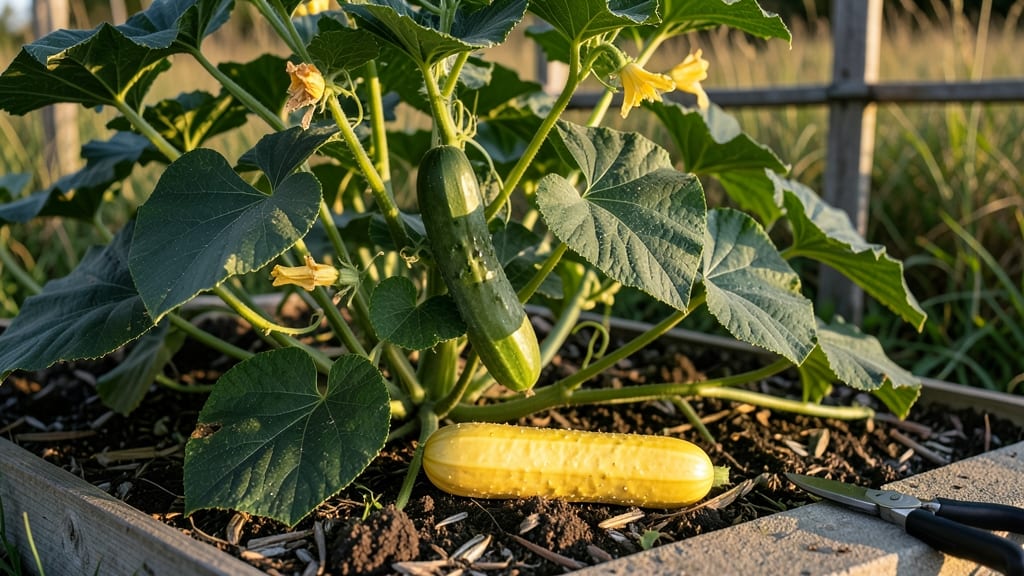
Telling if a cucumber 🥒 is ripe can make the difference between a crisp, sweet bite and a meal of tough, seedy disappointment.
You’ve probably picked a cucumber that was either too hard to eat or already turning to mush in your hand—both signs you missed the sweet spot. The good news? Ripeness isn’t a guessing game. With just three simple checks—color, size, and texture—you can harvest cucumbers at their peak every time.
Most gardeners focus on size or color alone, but the real secret lies in how the cucumber feels when you touch it. A firm but slightly yielding skin is your cue to grab those shears.
And yes, the variety matters: slicing cucumbers need a different approach than pickling types. Below, I’ll walk you through the exact steps to avoid the common mistakes that waste your harvest.
By the end, you’ll know exactly when to pluck that cucumber from the vine for the best flavor—and how to tell if you’ve left it too long. No more bitter surprises at the dinner table!
3 Key visual signs your cucumber is perfectly ripe (with photo guide)
Knowing when to harvest cucumbers can transform your garden from a sea of underripe disappointment to a bounty of crisp, flavorful fruit. The secret lies in three visual cues: color, size, and skin texture.
These signs work together like a checklist, ensuring you pick cucumbers at their peak—whether you're slicing them fresh, pickling them, or enjoying them straight from the vine.
Not all cucumbers ripen the same way. Persian cucumbers stay small and sweet, while English cucumbers grow long and bumpy. Even heirloom varieties like 'Lemon Cucumber' have unique ripeness markers.
Mastering these visual clues means never missing the sweet spot again, and avoiding the bitter, seedy cucumbers that come from waiting too long.
Here’s my foolproof photo guide to spotting perfectly ripe cucumbers in your garden. The table below breaks down what to look for, variety by variety, so you can confidently harvest at the right moment.
| Cucumber Type | Ideal Size | Color & Texture | Stem & End Signs | Best For |
|---|---|---|---|---|
| Slicing (e.g., 'Straight Eight') | 6–8 inches long | Deep matte green, glossy skin | Stem end yellows slightly; skin yields to gentle thumb pressure | Fresh eating, salads |
| Pickling (e.g., 'Boston Pickling') | 2–4 inches long | Bright green, bumpy skin | Firm but not rock-hard; stem snaps cleanly | Pickles, fermenting |
| Persian (e.g., 'Persian Magnum') | 4–6 inches long | Smooth, dark green with slight sheen | Skin dents slightly when pressed; stem base stays green | Snacking, fresh slices |
| English (e.g., 'Marketer') | 10–12 inches long | Deep green, thick skin with ridges | Stem end dries slightly; skin feels firm but not hard | Market sales, slicing |
| Heirloom (e.g., 'Lemon') | 4–6 inches, round/oval | Yellow-green when ripe | Skin softens noticeably; stem base turns yellow | Unique flavor profiles |
📏 Pro Tip: Use a ruler to measure size—consistency is key!
Let’s start with color, the most obvious clue. A perfectly ripe cucumber should be a deep, even green—no pale patches or yellowing. For Persian cucumbers, look for a rich, almost emerald hue, while English varieties develop a darker, almost jade-like tone.
If you spot yellowing or white streaks, it’s a sign the cucumber has overripe or been exposed to too much sun.
The size of your cucumber gives you another hint. Most slicing cucumbers are ready at 6–8 inches, but pickling varieties should be harvested smaller—around 2–4 inches—for that perfect crunch. Heirloom types, like 'Lemon Cucumber,' often stay smaller but develop a unique shape.
Overlooking size can lead to cucumbers that are too seedy or bitter, so grab a measuring tape if you’re unsure!
Don’t overlook the skin texture, which tells you whether the cucumber is firm and crisp or past its prime. A ripe cucumber’s skin should feel slightly firm but yield just a little when you press it with your thumbnail.
If it’s rock-hard, it’s underripe; if it’s mushy or dented, it’s overripe. For Persian cucumbers, the skin should have a satiny finish, while English cucumbers develop a thicker, almost leathery texture.
Pay attention to the stem end too—this is where subtle changes reveal ripeness. As a cucumber matures, the area where it attaches to the vine will turn yellowish or dry out slightly. This is nature’s way of signaling it’s time to harvest.
If the stem end stays bright green, the cucumber is still firming up. Meanwhile, if it’s shriveled or brown, you’ve missed the window.
One common mistake gardeners make is assuming all cucumbers ripen the same way
The touch test method: how firmness reveals ripeness (and when to harvest)
When I reach for a cucumber in my garden, I always do a quick touch test before deciding whether it's ready. This simple method saves me from harvesting too early or too late—both of which ruin the flavor.
The key is understanding what firmness really means in cucumbers, because it's not about hardness alone. A cucumber that's too firm is underripe, while one that's too soft is overripe and often seedy or bitter.
I've learned the hard way that relying solely on size or color can trick me. For example, a 6-inch cucumber might look perfect but still feel rock-hard when pressed. On the other hand, a slightly larger cucumber might feel mushy because it's been sitting on the vine too long.
The touch test cuts through these visual guesses and gives me a clear answer in seconds.
Many gardeners assume all cucumbers should be 6-8 inches long, but this varies by variety. Persian cucumbers are often harvested at 4-5 inches when firm, while English varieties can reach 10+ inches. Always combine size with the touch test for accuracy.
To perform the test, I gently press my thumbnail into the cucumber's skin. A perfectly ripe cucumber should yield slightly—like pressing your finger into a ripe avocado—without leaving a deep dent.
If the skin springs back immediately, it's still firm and needs more time. If it stays indented or feels spongy, it's past its prime and should be harvested soon.
I also check the stem end separately because this area often reveals ripeness first. A ripe cucumber's stem end will feel slightly softer than the rest of the fruit, and you might even notice a faint yellowing where it connects to the vine.
This is your cue that the cucumber is ready to pick. If the stem end feels as hard as the rest, wait another day or two.
Timing matters too—especially in hot climates. Cucumbers ripen faster in 80°F+ temperatures, so I test them more frequently during summer heat waves. In cooler weather, they take longer to reach the ideal firmness.
Pro tip: Harvest in the morning when cucumbers are coolest and firmest, giving you the most accurate touch test results.
One mistake I used to make was harvesting based on color alone. While ripe cucumbers are deep green, some varieties stay pale even when ready.
The touch test reveals what color can't: whether the cucumber's internal structure has developed properly. Now I always combine both methods for foolproof results every time.