
Pests
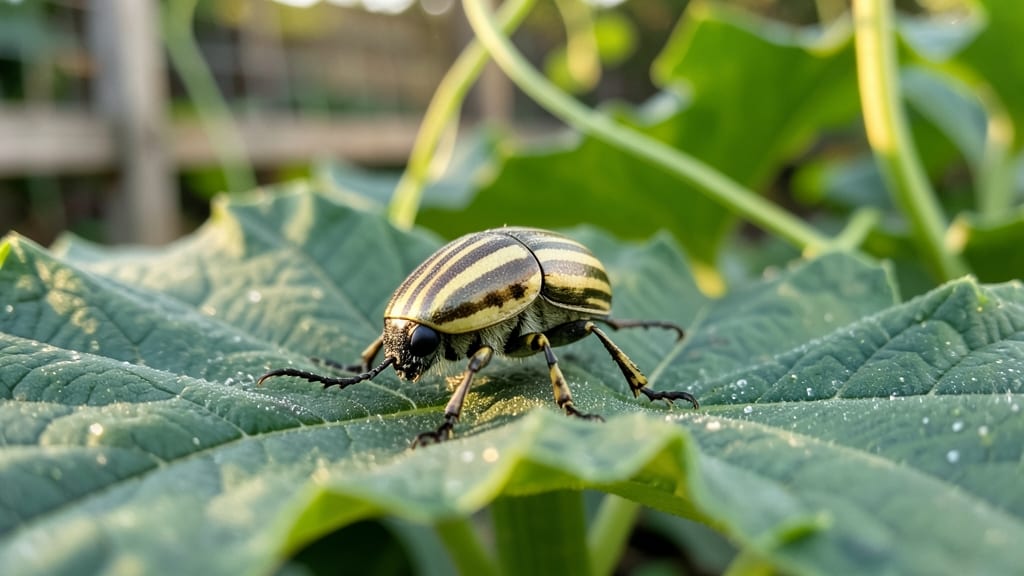
Learn how to get rid of cucumber beetles naturally before they strip your cucumber patch bare—here’s the proven mix of traps, sprays, and barriers that actually works without harming bees or your plants. your soil.
The key is speed and layers: start with row covers to block adults, add trap plants like radishes to lure them away, and spray with neem oil or garlic spray for a natural knockdown. These methods protect your plants without chemicals, and the best part?
They’re easy to set up with supplies you might already have. By the end of the season, you’ll have healthy vines, fewer holes in leaves, and cucumbers that stay productive until frost.
The beetles won’t stand a chance once you combine these tricks—trust me, I’ve seen it work in my own garden. This approach works for squash, melons, and even pumpkins too. Let’s get those beetles under control before they ruin your harvest!
📚 In This Guide
- What you need
- Instructions
- Tips and common mistakes
- Wrapping up and next steps
What you need
- ● Yellow or blue plastic containers (2–3): Small bowls, lids, or even plastic cups—these colors attract beetles like a bug buffet! 🐞
- ● Water or soapy water (1–2 gallons): Fill your traps with this to drown the beetles (or use a mild dish soap solution to break their surface tension).
- ● Diatomaceous earth (food-grade) (1–2 lbs): Sprinkle this fine powder around plants to dehydrate beetles naturally (wear a mask when applying!).
- ● Neem oil (8–16 oz): A natural pesticide that disrupts beetle life cycles—look for 100% cold-pressed for best results.
- ○ Horticultural oil or vegetable oil (optional, 8 oz): Mix with neem oil for extra stickiness to trap beetles.
- ● Row covers (floating fabric) (1–2): Lightweight, breathable covers (like Agribon) to physically block beetles from reaching plants.
- ● Yellow sticky traps (2–4): Pre-made traps or DIY versions (cardboard coated with petroleum jelly or Tanglefoot).
- ○ Crushed garlic or hot pepper spray mix (optional): 1–2 cloves of garlic or 1 tbsp hot pepper flakes per quart of water.
- ● Garden hose with nozzle: For rinsing beetles off plants or diluting sprays.
- ● Gloves and long sleeves: Protect yourself from irritants like neem oil or diatomaceous earth.
- ● Spray bottle (16–32 oz): For applying neem oil or garlic sprays directly to plants.
- ● Fine-mesh strainer: Helps sift diatomaceous earth evenly around plants.
- ● Pruners or tweezers: For manually removing beetles or eggs from leaves.
- ● Timer or spray schedule reminder: Beetles strike fast—consistency is key! Set reminders for every 3–5 days.
Step-by-step instructions for eliminating cucumber beetles naturally
Here's how I keep my cucumber patch beetle-free using simple, chemical-free methods that work fast.
🌱 Step 1: Set Up Yellow Sticky Traps Immediately
Cucumber beetles are attracted to yellow, so I start by placing 4-6 yellow sticky traps around the garden perimeter, about 1-2 feet off the ground. These traps catch adult beetles before they reach your plants. I like the ones with a sticky adhesive surface—just hang them with twist ties or zip ties on stakes or fencing.
Check traps every 2-3 days and replace them if they become too clogged with beetles. You'll see results within a week if you catch them early. The key is positioning—place traps near your cucumber plants but not directly over them, so you don't accidentally trap beneficial insects.
💧 Step 2: Apply Neem Oil Spray as a Preventive Barrier
Neem oil disrupts beetle feeding and reproduction while being safe for plants. Mix 1 tablespoon of neem oil with 1 teaspoon of mild liquid soap (like castile soap) in 1 quart of water. Stir well and transfer to a spray bottle. Apply this mixture to the tops and undersides of cucumber leaves in the early morning or late evening to avoid harming bees.
Spray every 5-7 days or after heavy rain. You'll notice beetles avoid treated plants within a few applications. The soap helps the neem oil stick to the leaves better, and the oil creates a protective film that deters beetles from laying eggs. This step is especially important if you've already spotted beetles on your plants.
☀️ Step 3: Create a Row Cover Barrier for Young Plants
If your cucumbers are still young, cover them with lightweight row fabric until they're established. Secure the fabric with stakes or clips, leaving enough space for the plants to grow. This physical barrier prevents beetles from reaching your plants entirely. I use floating row covers because they're easy to install and remove when needed.
Leave the covers on for at least the first 4-6 weeks, or until your cucumber plants are large enough to handle occasional beetle visits. Remove the covers on warm days to allow pollination by bees—just hand-pollinate if needed by gently shaking the plants. You'll see healthier, more vigorous plants without the stress of beetle damage.
✂️ Step 4: Hand-Pick Beetles and Destroy Their Eggs
Early in the morning, when beetles are sluggish, inspect your plants and pick off any visible beetles by hand. Drop them into a bucket of soapy water to kill them instantly. This method works best for small gardens or when you've spotted beetles early. I wear gloves to avoid getting oils from the beetles on my skin.
Check the undersides of leaves for yellow eggs—beetles lay them in clusters. Scrape them off with a fingernail or soft brush and dispose of them in soapy water. Repeat this process every 2-3 days until you no longer see eggs or adults. Hand-picking is labor-intensive but highly effective for keeping beetle populations in check.
Tips & tricks for effective cucumber beetle control
These simple strategies will help you maximize your beetle-free cucumber harvest with minimal effort.
Trap Placement Strategy: When setting up your 4-6 yellow sticky traps, position them at least 10 feet apart around the garden's perimeter. This creates a wider barrier that catches beetles before they reach your cucumbers. I've found that placing traps near other yellow-flowering plants like marigolds can actually attract more beetles away from your cucumbers—just be sure to check these traps too. The key is creating a perimeter defense that doesn't let beetles slip through.
Neem Oil Application Timing: For the neem oil spray, I've discovered that applying it right after watering your plants makes it even more effective. The leaves stay wet longer, allowing the neem oil mixture to adhere better and create a more protective film. Just be sure to spray in the early morning so the solution has time to dry before bees become active. This timing helps maximize the protective barrier while minimizing harm to beneficial pollinators.
Row Cover Installation Tips: When using row covers for young plants, leave about 6 inches of space between the fabric and the soil to prevent heat buildup. I've learned this the hard way—overheating can stress young plants. Also, secure the edges tightly with soil or weights to prevent beetles from crawling underneath. This creates an effective barrier that still allows your plants to grow strong without beetle damage.
Hand-Picking Efficiency: For hand-picking beetles, I've found that using a small handheld vacuum designed for garden pests makes the process much faster and less messy. Simply vacuum up the beetles and dispose of them in soapy water. This method is especially helpful when dealing with larger infestations, as it allows you to remove multiple beetles quickly without direct contact. Always wear gloves when handling beetles to avoid skin irritation from their oils.
Pro Tips for Get Rid Of Cucumber Beetles Naturally
- These simple strategies will help you maximize your beetle-free cucumber harvest with minimal effort.
- Trap Placement Strategy: When setting up your 4-6 yellow sticky traps, position them at least 10 feet apart around the garden's perimeter.
- Neem Oil Application Timing: For the neem oil spray, I've discovered that applying it right after watering your plants makes it even more effective.
Frequently asked questions
When is the best time to start treating cucumber beetles?
Start as soon as you spot them—early spring is ideal! These pests appear when cucumber plants emerge, so act quickly to prevent damage. Weekly checks and preventive measures (like row covers) should begin before planting. Once beetles are established, combine traps, sprays, and barriers for faster results. Timing matters—don’t wait until your plants show wilting or holes!
Are homemade sprays safe for edible plants like cucumbers?
Yes! Neem oil, soap sprays, and garlic/chili mixtures are plant-safe when used correctly. Always test a small leaf first to avoid burns, and reapply after rain. Avoid over-diluting—follow ratios (e.g., 1 tbsp neem oil per quart of water). For extra peace of mind, opt for organic-certified sprays labeled for edible crops.
Will cucumber beetles go away on their own?
Unlikely! Without intervention, they’ll multiply rapidly and spread to nearby plants, causing cucumber beetle wilt (a deadly bacterial disease). While natural predators (ladybugs, lacewings) help, they’re too slow for severe infestations. Combine traps, row covers, and sprays for the best defense. Proactive action saves your harvest!
Can I use coffee grounds to repel cucumber beetles?
Coffee grounds can deter some pests, but they’re not highly effective against cucumber beetles. The caffeine may repel them slightly, but beetles are drawn to cucurbit plants. For better results, combine them with diatomaceous earth or trap crops. Sprinkle grounds around plants as a supplement, not a standalone fix.
What if my plants are already damaged?
Act fast! Prune damaged leaves (dispose of them in sealed bags) to stop disease spread. Focus on emergency treatments like:
- Spraying kaolin clay or pyrethrin (organic insecticide) immediately.
- Watering plants deeply to flush out eggs in the soil.
- Isolating infected plants if wilt is severe (they may not recover).
Wrapping up and next steps
Cucumber beetles may be pesky, but with the right natural strategies—like traps, sprays, and barriers—you can protect your garden without harsh chemicals. 🌱 From row covers to neem oil solutions, these methods are simple, effective, and eco-friendly. Start small, stay consistent, and soon your plants will thrive beetle-free!
Ready to take action? Pick one method today and watch your garden flourish—your veggies will thank you! 🎉