
How To
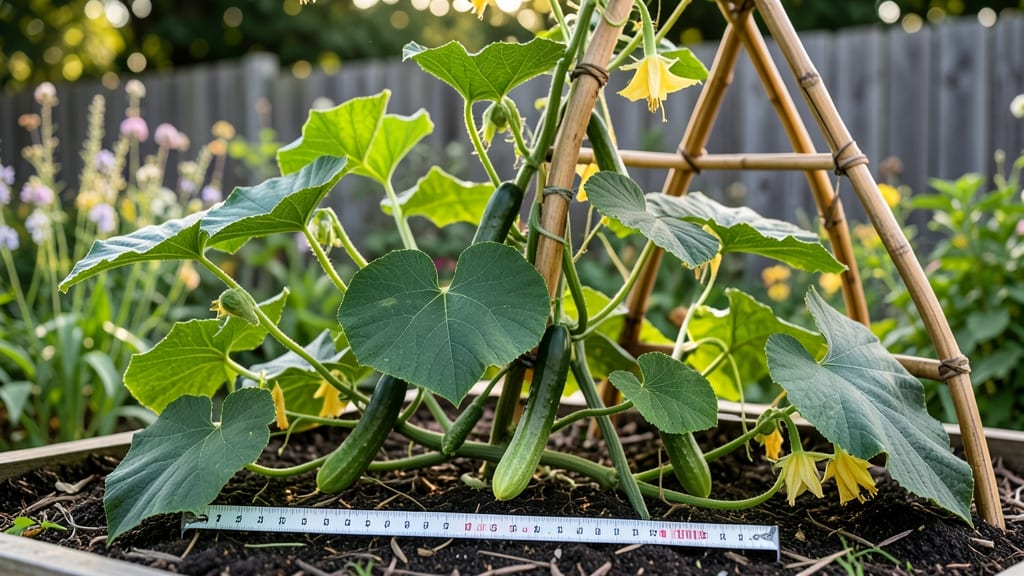
Cucumber plants grow anywhere from 1 foot to over 20 feet tall, depending on the variety and how you train them—so if you’re working with limited space, this is the first detail you need to know.
Picture this: a rambling vine taking over your garden bed or, on the flip side, a neat, compact bush that fits perfectly in a container.
The difference comes down to whether you’re growing a sprawling vining type or a tidy bush variety, and how you guide their growth from day one.
For most home gardeners, the height of your cucumber isn’t just about aesthetics—it’s about maximizing your harvest. A well-trained vine produces more fruit in less space, while a bush type might need less support but still benefits from proper care.
Whether you’re planting in Zone 6a or on a city balcony, knowing these growth habits can mean the difference between a few cucumbers and a bounty.
In this guide, I’ll break down the height ranges for common varieties, share space-saving tips for training your plants, and highlight the best compact types for small gardens. You’ll leave here knowing exactly how to manage your cucumber’s growth—no matter how much (or little) room you’ve got.


Cucumber plant height by variety: from vines to bush types
Cucumber plants come in three main growth habits that dramatically affect their height and space needs. Vining varieties can stretch 6 to 12 feet or more, while bush types stay compact at 1 to 2 feet.
Understanding these differences helps you choose the right variety for your garden layout and maximize your harvest. Whether you have a sprawling backyard or a tiny balcony, selecting the right cucumber type ensures you get the most from your growing space.
Most home gardeners encounter indeterminate cucumbers, which are classic vining types that keep growing until frost. These varieties need strong support like trellises or fences to reach their full potential.
On the other hand, determinate cucumbers—often called bush types—grow to a fixed height and produce fruit all at once, making them ideal for container growing. Knowing which type you're working with helps you plan for pruning, trellising, and space management from day one.
Space requirements vary wildly between these types. A sprawling Marketmore cucumber can easily cover 10 to 15 feet of garden space if left unchecked, while a Bush Champion stays neatly contained in a 2-foot radius. For small gardens or urban balconies, choosing a compact variety can mean the difference between a manageable harvest and a tangled mess. Let’s break down the height ranges and space needs for each type so you can make the best choice for your setup.
If you’re growing vining cucumbers, expect them to climb aggressively. Varieties like Straight Eight or Lemon cucumbers can reach 10 to 15 feet if given the right support.
Without trellising, these plants will sprawl across the ground, competing with weeds and making harvests difficult. For bush cucumbers, the height is far more predictable—typically 1 to
How to train cucumber plants vertically for small spaces
Training cucumber plants vertically isn't just about saving space—it dramatically increases yields by improving air circulation and reducing disease risk. Whether you're working with a 6-foot balcony or a 20-square-foot patio, vertical growing transforms sprawling vines into productive, organized plants.
The key lies in choosing the right support system and pruning techniques tailored to your cucumber variety.
Most cucumber plants naturally climb using tendrils, but without proper guidance, they'll sprawl across your garden bed or container. By directing their growth upward, you create a cleaner harvest zone, easier access to fruits, and even earlier maturity.
I've found that indeterminate varieties (like 'Straight Eight') benefit most from vertical training, but even bush types can be lightly trellised for better fruit production.
- 🌱 Cattle Panels: Best for large gardens (8-12 ft tall), sturdy, and reusable. Ideal for indeterminate varieties that can reach 10+ feet.
- 🪴 T-Posts with Twine: Budget-friendly for small spaces (3-5 ft). Use 3-4 posts in a square for stability.
- 🪣 A-Frame Trellis: Perfect for containers or corners (5-7 ft). Lightweight and easy to assemble.
- ✂️ Pruning Shears: Essential for side-shoot removal (pinch off shoots larger than your thumb) to direct energy upward.
- 💧 Drip Irrigation: Attach to trellis for consistent moisture without disturbing plants. Avoid overhead watering to prevent mildew.
Start by installing your support system at planting time—cucumbers hate being transplanted later. For cattle panels, bury the bottom 6 inches or anchor with stakes to prevent toppling.
If using twine, wrap it loosely around the trellis in a spiral pattern, leaving room for vines to weave through naturally. I like to use jute twine because it's biodegradable and gentle on plant tendrils.
Pruning is where the magic happens. For indeterminate varieties, remove all side shoots that grow below the first 5-7 leaves—these steal energy from fruit production. Leave the top 2-3 main vines to climb, pruning back any lateral growth that exceeds 12 inches.
With bush varieties, a light pruning of yellowing leaves keeps air flowing, but avoid heavy pruning as they produce fruits along the entire stem.
Harvesting becomes a breeze with vertical training! Simply reach up to pluck ripe cucumbers instead of crawling through sprawling vines. I've seen my vertical cucumbers yield 30% more than untrellised plants because the fruits develop faster and suffer less from soil-borne diseases.
Plus, the upward growth habit makes it easier to spot pests like cucumber beetles before they cause damage.
Pro tip: If your cucumbers start to lag in growth after trellising, check for these common issues—root bound containers, inadequate sunlight, or over-pruning. A quick fix is to fertilize with a balanced 5-10-10 mix and ensure they're getting 6+ hours of direct sun daily.
With the right support and care, your vertical cucumbers will thrive even in the tightest spaces! 🌿